Deposit Protection, End of Tenancy Cleaning, Move-Out Prep
Tenancy deep cleaning singapore

Thursday’s inspection is already on the calendar. The agent confirmed 10am, and your boxes sit half-packed against the living-room wall. You’ve wiped the counters, run the vacuum twice, and scrubbed the bathroom until your shoulders ache. Still, that greasy film under the cooker hood catches the light the wrong way. The silicone along the shower base has a faint grey shadow you only notice when you lean in. In two days someone else will lean in on purpose.
That is the real pressure behind tenancy deep cleaning Singapore tenants scramble for when a lease ends. It is not about making the flat “look nicer.” It is about clearing the exact marks landlords and managing agents use to justify deductions of $300 to $800 from a security deposit. Singapore’s 82–84% year-round average relative humidity (NEA data) does not help. Moisture that sits on grout or silicone overnight can push mould growth as quickly as 24–48 hours under sustained high humidity, depending on surface and spore load. Dust mites thrive year-round above 70% RH and 20°C. For families packing out of an HDB or condo, the flat you leave behind still holds two years of kitchen aerosol, bathroom scale, fan dust, and skirting grime that a weekend wipe never fully lifts.
The health angle is quieter but real. Fine dust and residual allergens do not pack themselves into cartons. They stay in the unit for the next household, and for you if you are still sleeping there while you clean. Atopic Singaporeans show sensitization rates above 76% to common house dust mite species. That is not a reason to panic. It is a reason to treat the exit clean as more than surface tidying. You need a method that removes the film, the spores, and the residue agents photograph — then dries the space fast enough that humidity cannot reverse the work before keys change hands.
This piece walks through what that kind of clean actually covers, which spots still trigger deductions, how a professional team sequences an HDB or condo unit for handover, and how to time the job so Singapore’s climate does not undo it overnight. No vague “deep clean” promises. Just the practical order of work tenants and landlords keep arguing over at the door.
The deposit marks agents still photograph in HDB and condo units
Most tenants over-clean the obvious surfaces and under-clean the ones that appear in deduction emails. Agents rarely start with the living-room floor. They open the cooker hood filter, run a finger along the top of the kitchen cabinet, check the silicone bead at the shower base, and tilt the bathroom exhaust cover. Grease that has polymerised on the hob surround, black lines in floor grout, and dust caked on ceiling fan blades show up in photos more often than a scuffed skirting board ever will.
Typical deduction ranges land between $300 and $800 when those spots fail. A greasy stovetop and hood can cost more than a full bathroom refresh on paper because replacement or specialised degreasing is easy to itemise. Mould on grout lines and silicone is another frequent line item; in 84% average RH, a patch that looked faint on Friday can darken by Sunday if the area stayed damp. Fan dust, air-con blower grime, and the yellow film inside the toilet bowl rim complete the usual shortlist.
Room type matters less than material. HDB kitchens with older ceramic hob surrounds hold oil differently from a condo’s induction setup, but both fail the same test if the agent can lift residue with a tissue. Bathroom grout in both housing types traps soap scum and mould spores in the same porous joints. Skirting boards along the corridor catch the fine dust that settles after every sweep. If you only have one evening left, those four zones — cooker zone, bathroom silicone and grout, fans and vents, skirting — deserve priority over polishing already-clean glass.
A proper tenancy deep cleaning pass treats those as primary targets, not afterthoughts. Dry removal first, then degreasers and descalers with real dwell time, then a controlled rinse and dry. Skipping the dry stage simply pushes grease and dust into a wet slurry that dries into a new film. That is why DIY often looks fine at 9pm and disappointing at the 10am inspection.

How tenancy deep cleaning Singapore teams actually run a handover unit
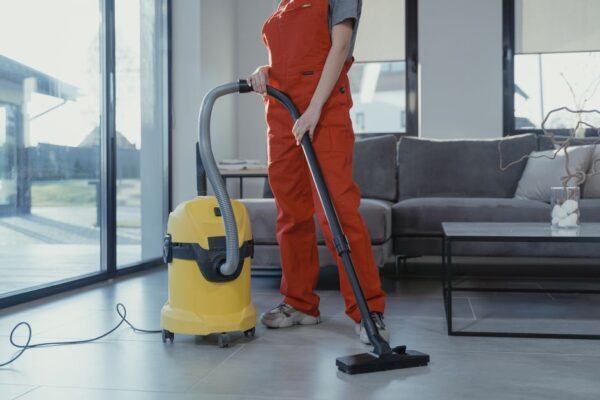
Professional handover work is sequenced, not scattered. A solid crew starts with a walkthrough against the landlord or agent checklist, notes high-risk zones, and clears loose clutter so every surface can be reached. Furniture gets shifted where the lease allows. High cabinets open first because dust falls downward; you do not want to wipe a counter and then rain debris onto it from above.
Dry dust and HEPA vacuuming come before any wet chemistry. Ceiling fans, pelmets, air-con covers if accessible, tops of wardrobes, and the rear edges of appliances are stripped of loose particles. Only after that do degreasers go on the kitchen: hob, hood filters, splashback, and the sticky band along the edge of the counter. Bathroom work follows a similar logic — dry wipe of fittings, then descalers on taps and glass, then targeted scrubbing of grout and silicone with products that can sit long enough to break the film without chewing the sealant.
Floors are last in each zone so traffic does not re-soil them. Teams scrub, not just mop. Wall marks at switch height, door frames, and the inside of the main entrance get attention because agents stand there while they write notes. Toilets receive bowl, rim, seat hinges, and the often-missed outer base. Windows and tracks matter in both HDB and condo units; monsoon dust packs into tracks and shows as grey lines the moment light hits them.
Drying is part of the clean, not an optional finish. In Singapore humidity, leaving bathrooms or kitchen floors damp overnight is an invitation for mould to restart on the surfaces you just treated. Good teams ventilate, wipe residual moisture, and flag any area that still needs air movement before inspection. A three-person crew on a typical 3-room HDB or compact condo often needs four to eight hours depending on condition. Rushing that window is how “cleaned yesterday” becomes “failed this morning.”
Why a Friday DIY scrub can fail a Monday morning inspection
Humidity is the silent opponent. Average relative humidity sits around 84%, with morning peaks that push higher. Mould germination can begin within 12–24 hours once indoor RH stays above the 60–70% band and organic residue or moisture is present. That means a bathroom you scrubbed on Friday evening can show fresh spotting by Monday if silicone stayed damp and the exhaust was weak.
Dust behaves the same way. Fine particles you loosened but did not capture resettled overnight on skirting and cabinet tops. Without HEPA-level extraction, a domestic vacuum recirculates a portion of what it picks up. The unit looks better under evening light and worse under the agent’s phone flash.
Timing the professional clean close to the inspection — usually the day before or the morning of, depending on drying needs — reduces that window. If the lease requires you to vacate earlier, plan ventilation and a final walkthrough yourself: open windows where safe, run exhaust fans, and check the cooker hood, grout lines, and fan blades one more time. Do not re-wet surfaces you cannot dry fully before the agent arrives.
Chemical choice also affects what happens after the team leaves. Harsh residues can irritate the next household and, in some cases, attract more dust. Teams rely on quaternary ammonium compounds for mould-affected grout, pH-neutral degreasers for induction hobs, and enzyme-based cleaners for drain odours — used at the right dilution and contact time — so bacteria and mould risk are handled without leaving a sticky film. Pet- and family-safe formulas matter if you still have children or animals in the unit during the final nights. The goal is a unit that stays inspection-ready through the night, not one that smells strongly of bleach for twelve hours and then dulls again.
What to prepare before the team arrives so nothing gets skipped
You speed the job up by stripping the unit of personal items first. Empty cabinets, clear the fridge and pantry, remove toiletries from the bathroom, and bag loose cables and small appliances. If the lease requires you to leave certain fittings, label them. Take quick reference photos of any pre-existing damage so you are not arguing about it later; professionals clean, they do not mediate landlord disputes, but your own record still helps.
Confirm access details early: car-park labels for the van, lift padding rules in condos, gate codes, and whether the water heater and power will stay on. Note any fragile surfaces, recent paint, or landlord-owned appliances that need extra care. Share the agent’s known hot buttons if you have them — some managing agents obsess over air-con dust filters, others over balcony drains.
Have the checklist ready. Many tenancy agreements spell out “professionally cleaned” without defining it. A written room-by-room list that covers kitchen degreasing, bathroom descaling, fans, windows, floors, and skirting gives both you and the crew a shared finish line. Ask for a receipt that names the service as end-of-tenancy or handover cleaning; some landlords still request proof of a licensed cleaner. NEA-licensed teams and WSQ-certified cleaners give you documentation that holds up better than a generic invoice from an unvetted app booking.
If something still looks off after the job, raise it the same day while the team can return. A re-clean guarantee only helps when you use it quickly. Waiting until the agent’s email arrives usually means the unit has already sat another night in humid air.
What Customers Say
“I am very pleased with helper Amanpreet Kaur to clean the whole house with handover unit. She uses less time and assist in more work in getting the place clean. Thanks so much and I will look back for Ur service again.”
— Priscillia Ng ★★★★★ Google Reviews
“Munisha and her team did the whole house deep cleaning for my condo unit. The work is excellent and very thorough. As the lead Munisha also ensure the team made extra checks to ensure all the work is done well.”
— Patrick Yong ★★★★★ Google Reviews
FAQs About Tenancy Deep Cleaning in Singapore
Is there a move-out cleaning checklist I should follow for HDB handover?
A full handover scope typically covers kitchen degreasing (hob, hood, splashback, cabinets), bathroom descaling and grout work, floor scrubbing, skirting, fans, window tracks, switches, and door frames. Always confirm the written checklist against your lease so nothing the agent checks is left out.
How soon before the inspection should I book the clean?
Ideally the day before inspection, with enough drying time for wet areas. In 80–84% humidity, leaving bathrooms damp overnight can restart mould spotting on silicone and grout. Same-day morning slots work when the crew can finish and ventilate before the agent arrives.
How much does end of tenancy cleaning cost in Singapore?
Pricing depends on unit size, condition, and scope, so ask for a quote against your checklist. What tenants often underestimate is the other side of the ledger: greasy hobs, mouldy grout, and fan dust commonly trigger $300–$800 deposit deductions when they fail inspection. A proper handover clean is priced to clear those exact marks rather than to compete with a quick app booking that skips them.
Will a professional receipt help me get my full deposit back?
Many landlords and agents accept a receipt from an NEA-licensed company as evidence that a proper clean was done. It does not guarantee the deposit on its own — the unit still has to pass visual checks — but it strengthens your position if a dispute arises over whether cleaning occurred.
Can I just deep-clean the kitchen and bathrooms myself?
You can, and some tenants succeed. The risk is the hidden list: fan blades, cabinet tops, window tracks, toilet bases, and silicone lines that look clean until photographed. Missed grease and mould are the most common $300–$800 deduction triggers. If time or energy is short, those zones are where professional help pays for itself.
Are the products safe if I still have kids or pets in the unit?
Ask for eco-friendly, family- and pet-safe disinfectants used at correct dilutions. Hospital-grade does not have to mean harsh fumes. Ventilate during and after the clean, keep children and animals out of active work zones, and confirm the team will not leave slippery residues on floors.
How long does a typical HDB or condo handover clean take?
Most 3-room HDB and compact one- or two-bed condo units take a three-person team roughly four to eight hours depending on grease level, mould, and clutter. Heavily soiled kitchens or long-neglected bathrooms sit at the longer end. Clearing personal items before the crew arrives shortens the clock.
What if mould comes back after the clean?
If spores remain in porous grout or the area stays wet, regrowth can appear within days in Singapore’s climate. Proper anti-microbial treatment, full drying, and ventilation reduce that risk. Report any recurrence quickly under a re-clean policy rather than waiting for the inspection email.
Conclusion
We at MCAAS Solutions have walked enough empty HDB corridors and condo lobbies to know what the last forty-eight hours of a tenancy feel like. The deposit is not abstract money. It is the buffer you planned to use for the next place, and it should not vanish over a greasy hood filter or a grey silicone line that humidity darkened overnight. Tenancy deep cleaning Singapore done properly is not about perfection theatre. It is about clearing the exact marks agents photograph, drying the unit so 84% RH cannot reverse the work, and handing back keys without that low-grade dread in your stomach.
Every MCAAS Solutions handover clean is carried out by NEA-licensed teams, with written service documentation provided for your deposit records. Contact us at +65 8834 2867, send a quick note on WhatsApp, or visit our end-of-tenancy cleaning service to book a handover clean that protects your deposit.