HDB Condo Living, How to Prevent Mould in Hdb Wardrobe, Humidity Mould
How to prevent mould in hdb wardrobe
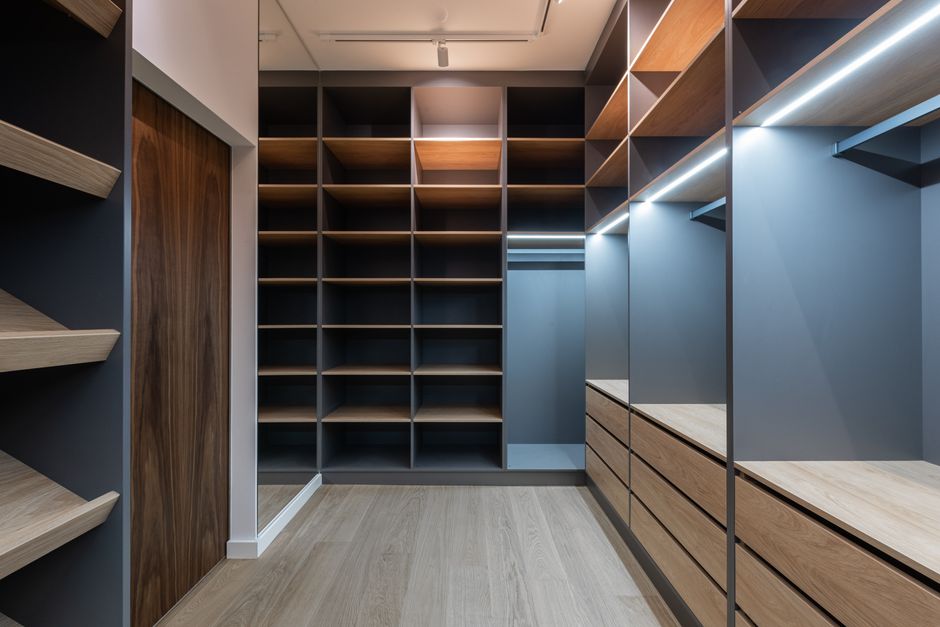
You open the wardrobe on a Tuesday night looking for a work shirt, and the smell hits first. Not dirty laundry. Something flatter and older — damp cardboard mixed with fabric softener that never quite dried. A black blouse near the back wall has pale speckles along the shoulder seam. The wooden rail feels cool and slightly tacky. Nothing flooded. Nobody left wet towels inside. The doors just stayed shut through a few sticky evenings, and Singapore’s air did the rest.
That is how most wardrobe mould starts in local flats. Not from a dramatic leak, but from still air, warm fabric, and relative humidity that sits around 84% year-round — with morning peaks that climb higher. Once indoor RH stays above the 60–70% band, mould can germinate in 12–24 hours on porous surfaces and fabric folds. Learning how to prevent mould in HDB wardrobe spaces is less about buying another scented sachet and more about interrupting moisture before spores settle into laminated panels, silicone edges, and the clothes you wear against your skin.
HDB wardrobes make the problem worse by design. Built-in units sit against external or party walls. Doors seal tightly for a neat look. Storage runs from floor to ceiling, so air barely moves at the back corners. North- and east-facing bedrooms stay cooler and hold damp longer after rain. East–west facing rooms bake in the afternoon, then cool at night, and condensation forms on cooler surfaces inside the cabinet. Add monsoon weeks, aircon that runs only at night, and a packed rail of clothes that never fully dry between wears, and you have a private climate chamber for mould and dust mites.
Families feel this first as musty shirts, itchy skin, or kids who wake congested after sleeping next to a damp wall of fabric. Dust mites thrive above 70% RH and 20°C; studies on local atopic populations consistently show high sensitisation rates to house dust mites. Wardrobe air is not outdoor air. It is a closed pocket where allergens concentrate on soft goods you handle every morning.
The good news is prevention is mostly operational. You do not need a full renovation to change how moisture behaves in that cabinet. You need a repeatable dry-down routine, smarter packing, and a few materials choices that match tropical humidity rather than temperate-climate advice from overseas blogs. This guide walks through why HDB wardrobes fail so quickly, the checks that catch trouble early, and a concrete checklist you can run this weekend before the next stretch of rain.
Why built-in HDB wardrobes hold damp longer than open shelves
Open shelves leak moisture into the room. A closed HDB wardrobe keeps it. When you shut the doors after hanging a slightly damp school uniform or a shirt worn in 32°C heat, residual moisture has nowhere to go. Laminate and melamine panels do not breathe the way solid timber does. Back panels often sit flush against plastered walls that stay cooler than room air, especially on higher floors during evening storms. That temperature gap is enough for thin condensation films you never see until fabric spots appear.
Clothes themselves act as humidity batteries. Cotton and linen absorb ambient moisture overnight. Synthetic blends dry faster on the line but still trap sweat salts that feed microbial growth if garments go straight from body to hanger. Overpacking worsens everything. When hangers touch and folded stacks press against the back wall, air cannot circulate through the rail. The coldest, darkest corner — usually the far end against an external wall — becomes the first place white or grey bloom shows up on hems and shoe boxes.
Bathrooms next door add another load. Steam from showers migrates under doors and into bedrooms that share a wall. If your wardrobe sits on that shared wall, evening showers raise local RH right where clothes hang. Aircon helps only if you run it long enough to drop room humidity and leave wardrobe doors cracked during the cool-down. A short blast before bed cools the air without drying the cabinet. The doors close, temperature equalises, and moisture settles on cooler fabric and board edges again.
Renovation dust and older silicone seals make the picture messier. Fine construction dust holds moisture and nutrients. Cracked sealant along skirting or around built-in edges traps dirt you cannot wipe without moving the entire unit. Once spores lodge in those lines, surface wiping alone looks clean for a day and fails within a week. That is why “I wiped it already” is the most common sentence we hear before someone realises the wardrobe needs a deeper reset, not another bottle of multipurpose spray.

The 20-minute wardrobe moisture audit before mould spreads
Catching the problem early is cheaper than throwing out half a wardrobe. Set a phone timer for twenty minutes and treat the cabinet like a small room inspection, not a tidy-up.
Start with smell, not sight. Open both doors fully and stand still. Mustiness concentrated at the bottom or back wall usually means trapped moisture rather than a single sweaty item. Check the underside of the top shelf and the back face of the hanging rail with a clean white tissue. Grey or yellow transfer means biofilm is already forming. Run a fingertip along silicone or PVC edge strips; tackiness or black pinpricks along the bead are early mould, not ordinary dust.
Pull out the lowest drawer or shoe layer completely. Floor-level zones collect the coolest air and any seepage from mopping the bedroom. Look at cardboard boxes, fabric storage cubes, and the outer soles of rarely worn shoes. Cardboard is a mould magnet in 80%+ RH; if the base feels soft or shows foxing, bin it and switch to plastic or ventilated fabric bins with lids cracked for airflow.
Feel the clothes at the back of the rail, not the front. Front garments get handled and air-exposed. Back garments sit still against the coolest panel. If those feel cooler or slightly damp compared with shirts at the door, your wardrobe has a cold wall problem. Note which wall the unit faces and whether rain hits that facade. That detail tells you whether you need a slim dehumidifier nearby, longer door-open hours, or both.
Finally, check the bedroom’s own humidity pattern. If the aircon filter is grey and the unit only runs at night, daytime RH in the room may sit high enough that the wardrobe never recovers. A cheap hygrometer on an open shelf outside the wardrobe for two days gives you a baseline. Readings that linger above 70% indoors mean prevention habits inside the cabinet will fight a losing battle until room-level moisture drops.
A weekend checklist for how to prevent mould in HDB wardrobe spaces
Use this sequence once, then repeat a lighter version every two weeks during wet months. Work dry-first, then wet — the same order that keeps spores from smearing across panels in high humidity.
- Empty one vertical section at a time so you always have a landing zone for clean clothes. Do not dump the entire wardrobe onto the bed in a humid room and leave it overnight.
- Vacuum every panel, rail, and corner with a brush tool before any wiping. Dry dust removal first matters in 84% RH; wet wiping over loose dust creates paste that feeds regrowth.
- Wipe interiors with a barely damp microfibre cloth and a mild anti-microbial cleaner safe for laminate. Avoid soaking boards. Excess water is the enemy you are trying to remove.
- Dry every surface with a second clean cloth, then leave doors wide open with a fan angled across the opening for at least two to four hours. Longer is better after heavy rain weeks.
- Sort clothes ruthlessly. Anything that smells musty goes for a hot wash (fabric-appropriate) or professional cleaning. Do not hang “almost dry” items back inside.
- Return garments with gaps between hangers. Leave a palm-width of free rail space. Folded stacks should sit off the back wall by a few centimetres using a slim shelf liner or raised tray.
- Replace cardboard with ventilated containers. Add moisture absorbers rated for wardrobes, and write the open date on each pack so you actually replace them.
- Crack wardrobe doors whenever the bedroom aircon runs or when you leave for work if security allows. Still air is what lets germination finish overnight.
- After showers, run the bathroom exhaust long enough that steam does not drift into the bedroom. Wipe bedroom walls that feel cool to the touch after storms.
- Once a month, pull the unit’s lowest contents and recheck the skirting line and external-wall corner. Early black spots on silicone need treatment before they migrate into fabric.
If you find established mould on fixed panels, porous backing, or silicone that crumbles when cleaned, stop the DIY loop. Spores in porous material regrow within days when RH stays high. That is the point where a thorough professional spring cleaning service with proper dry-then-wet protocol and anti-microbial dwell time saves you from discarding half your clothes every monsoon.
Habits that keep wardrobe air moving after the deep reset
Prevention fails when the clean is a one-off event. The habits that stick are small and boring — which is why they work.
Hang clothes only when they are fully dry to the touch at seams and collars, not merely “dry enough.” Night airing on a rack inside an air-conditioned room beats shutting damp fabric behind doors. Rotate seasonal items into sealed vacuum bags only after a full dry day; bags trap whatever moisture you seal in. Leave a small gap at the top of hanging sections so warm air can rise instead of pooling at the rail.
Match storage density to your flat’s orientation. Cooler, shadier bedrooms need more aggressive door-open time and fewer packed shelves. Sun-facing rooms can still grow mould at the back wall if the unit is overfilled. A slim wardrobe dehumidifier or well-placed absorber helps, but it cannot fix a cabinet stuffed so tight that air never reaches the rear panel.
Watch for relapse signs: smell returning within a week, tissue wipe turning grey again on the top underside, or family members reporting itchiness after wearing stored clothes. Those are not cosmetic issues. They mean humidity control slipped and allergens are rebuilding. Address room RH and wardrobe airflow together; treating only the clothes is why the same black blouse spots again after the next stretch of rain.
For households already juggling work, school runs, and elderly care, the honest limit of weekend DIY is time and access. Moving a full built-in, treating silicone lines properly, and drying for hours is hard when you still need the bedroom at night. When mould keeps returning despite good habits, bring in a team that treats the wardrobe as part of a whole-home humidity problem rather than a single cabinet wipe.
What Customers Say
“I engaged the service for the 1st time. I’m more satisfied with their work, especially Amanpreet and Mercy. They did very deep cleaning and arranged and organised the stuff well.”
— pavithirakini saravanapirabu, Google Review
“Excellent work done Munisha and team. They were a team of 7 and did a deep move out cleaning. This is my second time engaging with Mcaas Solutions. Very competitive price and excellent customer service. Kudos to the team !!”
— Prithivi Raj, Google Review
“Amanpreet and Nan were punctual, professional and the attention to detail while cleaning the apartment I’m renting out is amazing. If I ever need cleaning services again, I’ll be sure to look out for MCAAS.”
— Luthfi Ismail, Google Review
“The cleaners were very fast and hardworking and they also do a very clean and spick and span job. Indeed it’s my sixth time arranging for this cleaning company. Thank you :)”
— Manjula Peters, Google Review
FAQs About How to Prevent Mould in HDB Wardrobe
How fast can mould grow inside an HDB wardrobe?
In Singapore’s average 84% relative humidity, mould can germinate within 12–24 hours once indoor RH stays above roughly 60–70% and fabric or board surfaces stay still and slightly damp. Closed doors after rain or night aircon cycles speed that timeline.
Is a dehumidifier enough to stop wardrobe mould?
A room or wardrobe-rated dehumidifier helps only if doors stay open enough for dry air to reach the back panels and if clothes are fully dry before storage. It will not fix overpacking, wet hang-backs, or mould already embedded in silicone and porous backing.
Should I paint over black spots on the wardrobe interior?
No. Paint traps active growth and usually fails as humidity returns. Clean, dry thoroughly, treat with a suitable anti-microbial product on non-porous surfaces, and replace damaged silicone. Persistent growth on fixed built-ins needs professional assessment.
Do charcoal bags and scented sachets prevent mould?
They mask odour for a short time and offer limited moisture buffering. They do not replace airflow, dry-first cleaning, or controlling room RH. Relying on scent alone is how many households miss early spotting on back-wall clothes.
Why does mould return a week after I wipe the wardrobe?
Surface wiping often leaves spores in dust, fabric folds, and porous edges. Without a dry dust removal step, full drying time, and lower ambient humidity, regrowth in tropical conditions is common within days.
When should I call professionals instead of DIY?
Call for help when mould covers fixed panels, keeps returning after proper drying, affects multiple rooms, or when someone at home has asthma or strong dust-mite sensitivity. A structured deep clean with HEPA vacuuming and controlled anti-microbial treatment reaches zones weekend wiping misses.
Can north-facing bedrooms make wardrobe mould worse?
Yes. Cooler, less sun-exposed rooms hold damp longer after rain. Wardrobes on external or shaded walls need more open-door time, stricter dry-before-hang rules, and closer monthly checks at the back corners.
Conclusion
We at MCAAS Solutions know the quiet dread of opening a wardrobe and realising the damp has already claimed a favourite shirt — and possibly the wall behind it. Preventing that moment is about interrupting moisture early, not masking it with fragrance. When habits and a thorough dry-down are not enough, our teams bring careful treatment with EPA-registered anti-microbial agents safe for laminate and fabric — an approach homeowners trust across HDB bedrooms and full-home resets. Contact us at +65 8834 2867, send a quick note on WhatsApp, or visit our spring cleaning service to book a deep clean that helps you master how to prevent mould in HDB wardrobe corners before the next wet spell settles in.