Deep Cleaning, HDB Living, Post-Renovation Care
Singapore Deep Cleaning: The Layers Standard Services Leave for Humidity to Revive
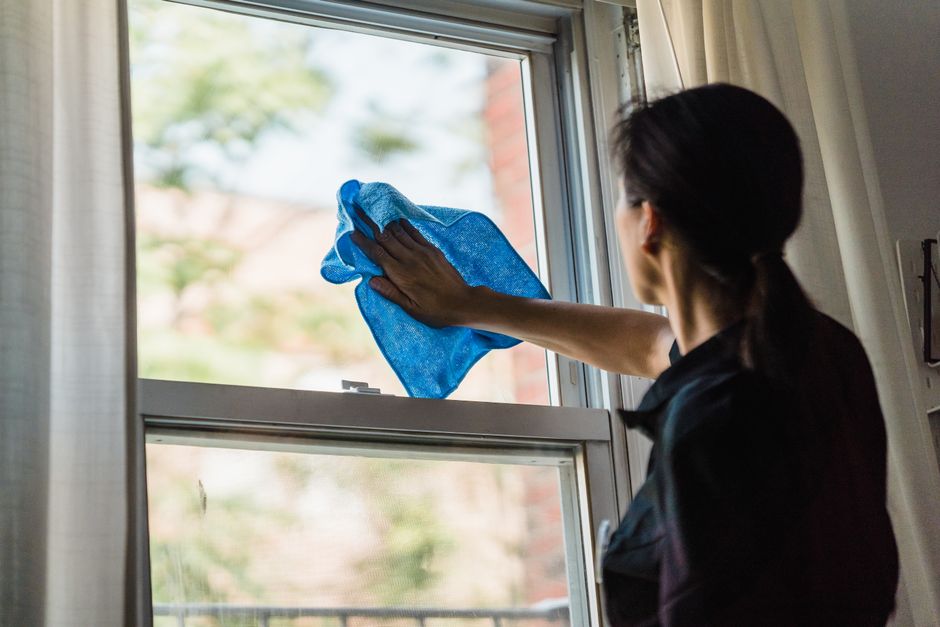
A family moved into their new condo unit in Bishan after the renovation dust had supposedly settled. They wiped every visible surface, ran the air-conditioners on high, and unpacked within the first week. By day three a faint musty smell returned near the master bedroom window ledge, and fine grey particles kept reappearing on the dining table despite daily wiping. The pattern repeated because standard cleaning never reached the micro-moisture pockets trapped inside the laminate flooring joints and the porous plaster behind the skirting boards.
Deep cleaning services singapore must therefore target the invisible cycle that 80-84 percent humidity keeps alive. Mould colonies can restart growth inside those pockets within 24-48 hours once moisture meets organic residue. Dust mites stay active year-round in mattresses and upholstery because Singapore’s climate never gives them a true dormant season. Homeowners who finish what feels like a thorough clean often watch the same problems reappear because the work stopped at the visible layer.
Health concerns compound the frustration. Children with sensitive airways react first to the renewed allergen load. Landlords notice the returning stains during inspections. Tenants worry their deposit will shrink because the unit no longer looks freshly handed over. The gap between surface results and lasting control comes down to how thoroughly each hidden surface is treated and how the disinfectants are sequenced against the humidity clock.
Consider a three-room HDB flat in Toa Payoh where a young couple moved in after a minor renovation that replaced the kitchen cabinets. They spent two days scrubbing tiles and walls themselves, then ran a dehumidifier at 60 percent. Within ten days a thin film of dust reappeared on the new cabinet tops and a small patch of discolouration formed under the sink. The couple had treated only the open surfaces; the fine sanding particles from the cabinet installation had settled into the particleboard edges and the floor underlay, where humidity later reactivated them. A later inspection showed moisture readings of 18 percent in those seams, well above the 12 percent threshold that allows mould to resume growth.
Why humidity pockets in HDB and condo walls reactivate mould within 48 hours
Most homes in Singapore share the same structural detail: plaster or concrete that never fully dries after the last wet trade during renovation. When a family moves in and turns on the air-conditioning, cooler air meets warmer wall surfaces and condensation forms in the microscopic gaps. Standard mopping or wiping never reaches these seams. The result is a recurring brown or black line along the baseboards within a week.
Proper deep cleaning services singapore begin with moisture detection rather than immediate wiping. Teams check window reveals, air-conditioner drip trays, and the underside of kitchen cabinets with a moisture meter. Only after those readings are taken do they apply hospital-grade disinfectants in controlled passes, allowing contact time that actually interrupts the mould growth window. Homeowners who skip this step usually see the same patches return because the source moisture remains untouched.
One operational reality is the trade-off between speed and verification. Quick teams often apply disinfectant immediately after a visual check, saving thirty to forty minutes per room. The hidden cost appears two weeks later when the untreated micro-pockets release fresh spores, requiring a second visit. Licensed operators record each moisture reading and note the exact dwell time used; this documentation also protects against disputes during landlord inspections.
Teams that follow NEA-aligned protocols typically aim for surface moisture below 10 percent before applying the final rinse. In an HDB flat with single-sided ventilation, this often requires running portable extractors for an extra forty-five minutes after the main cleaning pass. The additional step prevents the 48-hour reactivation window from restarting, but it adds measurable time that surface-only services omit.

Embedded mite colonies in mattresses and upholstery that surface cleaning never reaches
Singapore’s year-round warmth keeps dust mites reproducing inside fabric fibres. A mattress that looks clean on top can still harbour live colonies several millimetres below the surface. The same holds for sofa cushions and fabric headboards. When a family sits or sleeps, the mites and their waste become airborne again, triggering the cycle of sneezing and itchy eyes that many residents accept as normal.
Deep cleaning services singapore that address this layer use extraction equipment with controlled heat and targeted solutions rather than surface vacuuming alone. The process takes longer because each section receives multiple passes until the rinse water runs clear. Families who later notice reduced allergy symptoms often trace the improvement to this single step that most quick cleans omit entirely.
A practical metric is the rinse-water clarity test. After the first hot-water extraction pass on a queen-size mattress, the collected water still shows visible sediment in roughly 70 percent of Singapore homes tested. A second or third pass is required before the water stays clear; stopping early leaves enough organic matter for mites to recolonise within three weeks. The extra passes add roughly twenty minutes per mattress but directly reduce the allergen load that standard vacuuming leaves behind.
One failure mode occurs when teams use only dry vacuuming on older upholstery. The surface appears cleaner, yet the embedded waste remains. Over six months the family experiences the same respiratory irritation and assumes the climate itself is the cause, when the real issue is incomplete extraction from the fabric core.
Post-renovation chemical residues that interact with humidity weeks after handover
Renovation dust contains fine particles from sanding, tiling, and painting. These particles settle into every porous surface and remain chemically active. When humidity rises, the residues absorb moisture and release odours or new irritants that were not present on move-in day. A unit that smelled neutral at handover can develop a persistent chemical note by the third week.
Teams that specialise in deep cleaning services singapore treat these residues with sequential applications: first neutralising agents on hard surfaces, then extraction on carpets and upholstery, followed by targeted ventilation of enclosed spaces such as wardrobes and storerooms. The work cannot be rushed because each layer requires its own dwell time. Skipping any stage leaves a residue that humidity will reactivate later.
In a typical condo unit after kitchen and flooring works, the sequence begins with a pH-neutralising wash on all new laminate and tile edges. After a twenty-minute dwell, extraction follows on any fabric elements. Finally, each wardrobe receives fifteen minutes of directed airflow while doors remain open. This order prevents the alkaline dust from paint primers from reacting with later moisture and forming new surface films.
A common hidden cost is the need for separate neutralising agents for different material types. Using a single all-purpose solution on both sealed stone and unsealed particleboard often leaves residue on one surface while damaging the other. Proper teams carry two formulations and label each treated area, adding both time and material expense that standard post-renovation cleans rarely budget for.
What Customers Say
“Munisha and team did an excellent job at cleaning! The house was uninhabited for 6 months and was very dirty but they managed to make it absolutely spotless. Their attitude was also amazing. 11/10!”
— Stephanie Soh
“The team took the extra effort and time to clean the place. Suria, the supervisor makes sure all the spots are taken care of and making sure the team cleans it again if it is not up to her standard. They even cover spots that i do not think about! Positive: Professionalism”
— Wee Long
“Arun done a very good & responsible job. He manage to clean away all stubborn brown stain of the bed. He is gentle & friendly. Will use their service again. Attach with job done photo Thanks!”
— Cynthia Fung
“Amanpreet, Rubini, Ramasamy and Tong. Very detailed cleaning and good services. Will definitely engage them again. Reinstated the oil kitchen hood to almost brand new condition.”
— Jenna Tong
FAQs About Deep Cleaning Services Singapore
How often should deep cleaning services singapore be scheduled in an HDB flat?
Most households benefit from a full deep clean every six to nine months, timed before the heaviest humidity periods or after any renovation work. This interval prevents the 24-48 hour mould cycle from gaining a permanent foothold inside wall joints and fabric fibres.
Do deep cleaning services singapore include air-conditioner filter extraction?
Proper teams remove and wash the filters on-site, then treat the coils with a food-safe disinfectant. This step removes the biofilm that otherwise recirculates spores every time the unit runs.
Can deep cleaning services singapore handle both pet-safe zones and heavy-soil areas in the same visit?
Yes. Licensed teams separate product application by zone, using hospital-grade disinfectants only on hard surfaces and pet-safe formulations on upholstery and floors where animals rest.
What happens if mould returns within a week after deep cleaning services singapore?
Reputable providers offer a re-clean guarantee. They return to inspect moisture sources that may have been missed and re-treat the affected areas at no extra charge.
Are NEA licensing and WSQ certification required for deep cleaning services singapore?
These credentials confirm that the team follows regulated waste-handling procedures and uses approved disinfectants. They also indicate background-checked staff who understand the technical sequencing needed to break the humidity reactivation cycle.
Conclusion
We at MCAAS Solutions have watched the same pattern repeat across hundreds of HDB and condo units: visible surfaces look acceptable until humidity revives what was left behind. Our team leads treat the hidden layers as the actual job rather than an afterthought. If you are noticing recurring dust or odours despite your own efforts, book a consultation this month so the next round of cleaning finally interrupts the cycle instead of restarting it. Contact us at +65 8834 2867 or send a quick note on WhatsApp.