Deep Cleaning, Sofa Cleaning, Upholstery Cleaning
Singapore Humidity Turns Sofa Stains Into a 48-Hour Mould Problem
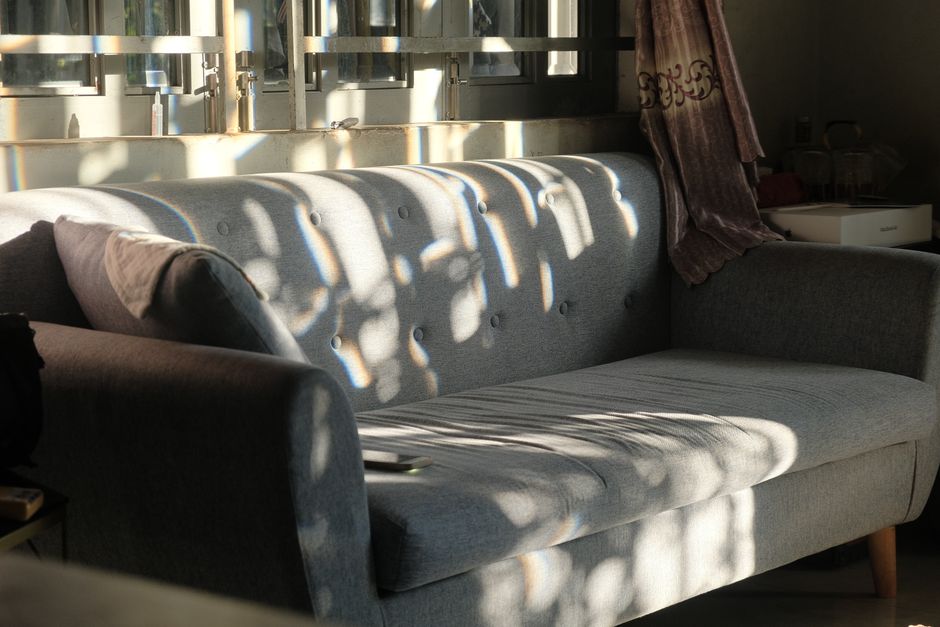
A family in a four-room HDB flat in Bishan noticed a sour, earthy smell rising from their living-room sofa two days after the rainy season began. They had wiped a spilled Milo stain with a damp cloth the previous weekend, yet the fabric already felt damp to the touch and the cushions released a musty odour whenever anyone sat down. Singapore sofa cleaning addresses exactly this cycle: humidity at 80-84 percent drives moisture deep into foam and fabric layers, allowing mould spores and dust mites to multiply long before any visible patch appears on the surface.
The problem starts with ordinary household use. Daily sitting compresses the cushions, trapping body heat and the fine film of sweat or food residue that never fully dries in Singapore’s climate. Within twenty-four to forty-eight hours, spores that float in from open windows or shoes settle into those pockets of trapped moisture. Standard wipes only reach the top fibres; the padding underneath stays damp, and the cycle repeats every time the sofa is used again. In practice, this means a single overlooked spill during the northeast monsoon can turn an entire seating area into a persistent source of allergens within one week, forcing residents to choose between constant re-cleaning or accepting recurring odours that affect sleep and daily comfort.
Humidity turns everyday spills into hidden mould colonies inside cushions
Consider what happens after a single cup of coffee lands on a fabric sofa during the northeast monsoon. The liquid spreads outward on the surface but also sinks through the weave into the foam core. In air-conditioned rooms that run only a few hours a day, the inner layers never reach the low humidity needed to stop growth. Residents often report the stain disappearing after a quick blot, only to smell the same patch again within forty-eight hours when humidity climbs back above eighty percent.
The same pattern appears in condos with full-height windows. Afternoon rain raises indoor moisture levels even when curtains stay drawn. Dust mites, which thrive year-round in Singapore, add to the load by feeding on skin flakes that settle into the same crevices. The result is an odour that no amount of surface spraying removes because the source sits several centimetres inside the cushion.
A different but equally common case involves a young couple in a three-room HDB in Toa Payoh who hosted a birthday party during the wet season. A guest knocked over a glass of red wine on the corner seat cushion. They blotted the surface immediately and left the cushion in place to air-dry overnight. Two days later the family noticed a sharp musty smell whenever the air-conditioner switched off. The wine had reached the foam base, and the constant 82 percent ambient humidity allowed spores already present in the fabric to colonise within 36 hours. Only after the cushions were lifted and the base panels treated separately did the odour disappear for good. The couple learned that any liquid spill in Singapore conditions requires immediate full extraction rather than surface blotting alone.
Another operational reality is the speed at which mite populations increase once moisture is present. Studies on local upholstery show dust mite counts can double every three days when relative humidity stays above 80 percent and food sources such as skin cells remain undisturbed. This growth happens entirely out of sight, so residents often underestimate the timeline until allergic reactions or visible discolouration appear along seams.

Why surface wipes fail against Singapore’s dust mite and spore load
Wiping visible marks leaves the deeper fibres untouched. A typical household cloth or spray bottle cannot generate the suction or heat needed to pull moisture and particles out of dense upholstery layers. In HDB living rooms where sofas serve as both seating and occasional guest beds, the fabric receives constant pressure that pushes contaminants further inward rather than letting them evaporate.
Renovation dust from nearby units compounds the issue. Fine gypsum and wood particles settle into the weave and act as additional food for mould once any moisture arrives. Families who attempt DIY cleaning during the wet months frequently find the sofa looks clean for a day, then develops new dark spots along seam lines where extraction never reached.
One hidden failure mode appears when residents use fan drying after a surface clean. While the top fabric feels dry within hours, the foam core retains moisture for up to 72 hours in 80-plus percent humidity. This extended damp period gives spores time to produce mycotoxins that later cause the persistent musty smell even after the visible stain has gone. The trade-off is clear: the convenience of a quick wipe today often creates a larger extraction job later when colonies have spread through multiple cushions.
A further complication arises in households with pets. Pet hair and dander add protein-rich food sources that mould prefers. Surface wipes remove only the visible layer, leaving the protein load inside the weave where mites continue to multiply. Over several weeks this leads to accelerated fabric degradation and stronger odours that standard household sprays cannot neutralise because the active source remains embedded.
The full extraction process that reaches padding and prevents 48-hour regrowth
Effective treatment begins by lifting every cushion and treating the base and back panels separately. Pre-treatment solutions break down embedded oils and proteins before hot-water extraction pulls the loosened material into a recovery tank. Hospital-grade yet pet-safe disinfectants are applied only after the fabric has been rinsed and partially dried, ensuring the active agents reach the inner padding where spores have already started to colonise.
Final drying takes place with directed airflow rather than leaving cushions stacked on the floor. Teams certified under NEA licensing and WSQ standards time each step so the sofa returns to the household within the same day, with moisture levels low enough to resist new growth even when humidity spikes again. This sequence differs sharply from wiping because it removes the water that would otherwise remain trapped for days.
Teams typically measure cushion moisture with a pinless meter before and after treatment. Safe return levels sit below 12 percent; anything above 15 percent risks immediate regrowth when ambient humidity returns to 80 percent. The process therefore includes a minimum 90-minute directed-air drying phase per set of cushions, followed by a final inspection to confirm no cool spots remain that would indicate trapped moisture.
Operators also separate the sequence into distinct phases to avoid cross-contamination. Pre-treatment is applied only to soiled zones first, extraction follows in a grid pattern across the entire surface, and disinfection occurs last once the fabric temperature has dropped below 40 degrees Celsius. This ordering prevents the disinfectant from being diluted or driven deeper into still-wet foam, a common mistake that reduces long-term effectiveness in Singapore conditions.
What Customers Say
“I would like to commend Arun for his exceptional work ethic. He was working for a full 8 hours and did a very very good job. He us truly a hard worker. I want to book his services again. Positive: Professionalism Services: Deep clean, General housekeeping, Standard cleaning”
— Sierra Victor
“Thank you so much for friendly and great job of Mr. Arun and Ms. Lakhsmi. My kitchen are super clean now. And thank you to Mr. Subbiah for fast respond on my query. Will call their great service again. Their work quality and respect, I would like to give 5 star to them. Positive: Responsiveness, Punctuality, Quality, Professionalism, Value Services: Deep clean, Moving-related cleaning”
— Samantha Lee
“I had Arun & Karpakam provide their services for move-out cleaning. They arrived on time, worked strictly according to guidelines and were very thorough! I strongly recommend the team!”
— Sara Lee
“Good job done by Amanpreet, Mr. Ramadamy, and Mercy. Arrived punctually and able to communicate clearly with them on areas to look out for.”
— pat Chan
FAQs About Singapore Sofa Cleaning
How quickly can mould appear inside a sofa in Singapore?
Under typical 80-84 percent humidity, spores can begin colonising damp foam within twenty-four to forty-eight hours if moisture is not fully extracted.
Does regular vacuuming prevent the problem?
Surface vacuuming removes loose dust but leaves oils and moisture deeper in the cushions where mites and mould continue to feed.
Are the disinfectants safe around children and pets?
Specialist teams use hospital-grade products formulated to meet pet-safe and child-safe standards once the fabric has been rinsed and dried.
Can I treat only the visible stain and leave the rest?
Partial treatment allows spores in untreated areas to spread back into cleaned sections within days, especially during the rainy season.
How long does professional extraction take to dry?
Directed airflow usually returns cushions to safe moisture levels within four to six hours, allowing same-day use without risk of immediate regrowth.
Why do odours return so fast after DIY attempts?
Household methods rarely reach the inner padding, so the original moisture and food source remain in place for new colonies to form.
Conclusion
We at MCAAS Solutions have watched the same sofa develop fresh musty patches week after week when only the surface receives attention. Lift one cushion this evening and run your hand along the underside; if the fabric still feels cool or carries any odour, the deeper layers need extraction that household tools cannot deliver. MCAAS Solutions removes that technical burden with equipment and timing built for Singapore conditions. Reach the team on WhatsApp.