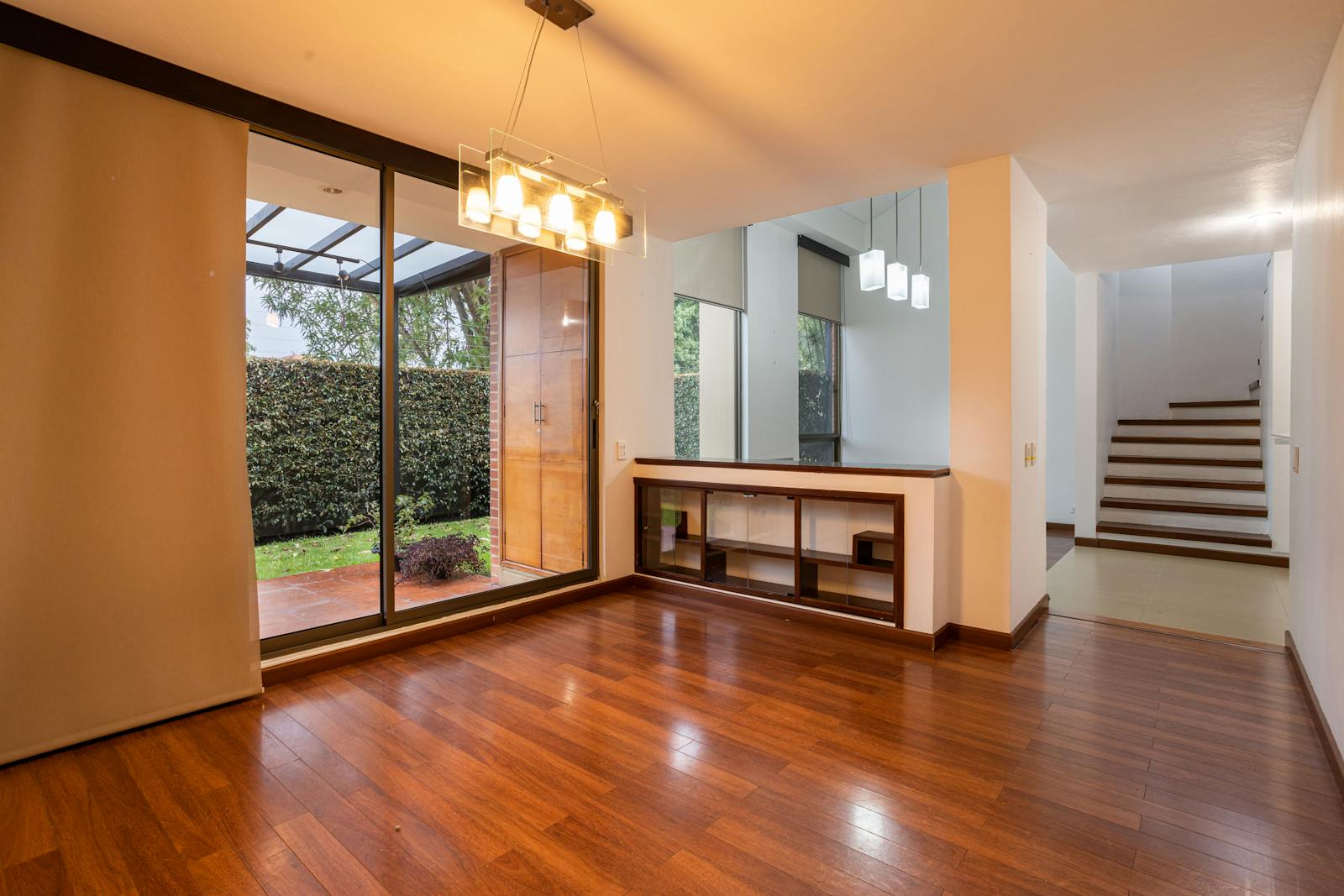
Move-Out Cleaning: How Singapore Tenants Avoid Deposit Disputes
Most deposit disputes in Singapore are not really arguments about money — they are arguments about proof. The landlord says the flat was handed back dirty or damaged; the tenant says it was fine; whoever has the better records usually gets their way. This guide covers the part of moving out that happens around the cleaning: the evidence to collect before and after, how cleanliness connects to deductions, how to negotiate if your landlord withholds part of your deposit, and what your options are if you genuinely cannot agree.
If you are looking for what to actually scrub and in what order, see our end of tenancy cleaning service or the guides linked below. This article is about protecting the deposit itself.
Who this guide is for
Tenants in Singapore — HDB flat, condo or landed — approaching the end of a lease and wanting their deposit back in full, or already facing a deduction they think is unfair. It covers ordinary rental situations and is not legal advice; for anything contested, your tenancy agreement and proper professional advice come first.
How cleaning ties into deposit deductions
Your security deposit covers two broad things: unpaid obligations under the tenancy agreement, and the cost of putting right anything beyond fair wear and tear. A worn sofa cushion is wear and tear. A greasy oven, mouldy shower grout or curtains that were never washed is usually treated as a cleanliness issue the tenant should have dealt with — and if the landlord has to hire cleaners after you leave, that bill tends to come out of your deposit, often at a higher price than you would have paid arranging it yourself.
Many Singapore tenancy agreements also spell out specific end-of-lease duties: professional cleaning of the unit, washing or dry-cleaning curtains, and servicing the air-conditioning with receipts to show for it. If your agreement includes clauses like these, doing the work but keeping no proof is almost as risky as not doing it at all.
The step-by-step: build a file your landlord cannot argue with
1. Dig out your move-in records
Before you clean anything, find the condition report, inventory list and any photos from the day you moved in. These define the baseline: a stain that appears in your move-in photos is not your problem; a stain that does not is. If you never made a condition report, gather whatever exists — emails to your agent about defects, messages reporting a leaking tap, repair invoices. Anything dated near the start of the lease helps establish what you inherited.
2. Re-read the tenancy agreement’s exit clauses
Look specifically for: cleaning obligations (some agreements require a professional clean, not just “clean condition”), curtain washing or dry-cleaning, aircon servicing and the requirement to produce service records, and how and when the deposit is to be returned. List every obligation that comes with a receipt. That list is your to-do list and, later, your defence.
3. Clean to the standard the inspection will apply
Deductions cluster around the same areas in almost every handover: kitchen grease (oven, hob, exhaust hood), bathroom mould and limescale, dusty aircon vents and filters, unwashed curtains, and marks on floors and walls. These are exactly the spots a landlord or agent checks first, so they deserve most of your effort. For a full walkthrough of what inspections cover, see our guide to landlord inspections in Singapore; if you would rather see the traps first, read the four overlooked cleaning steps that cost tenants deposits.
4. Photograph everything after the clean
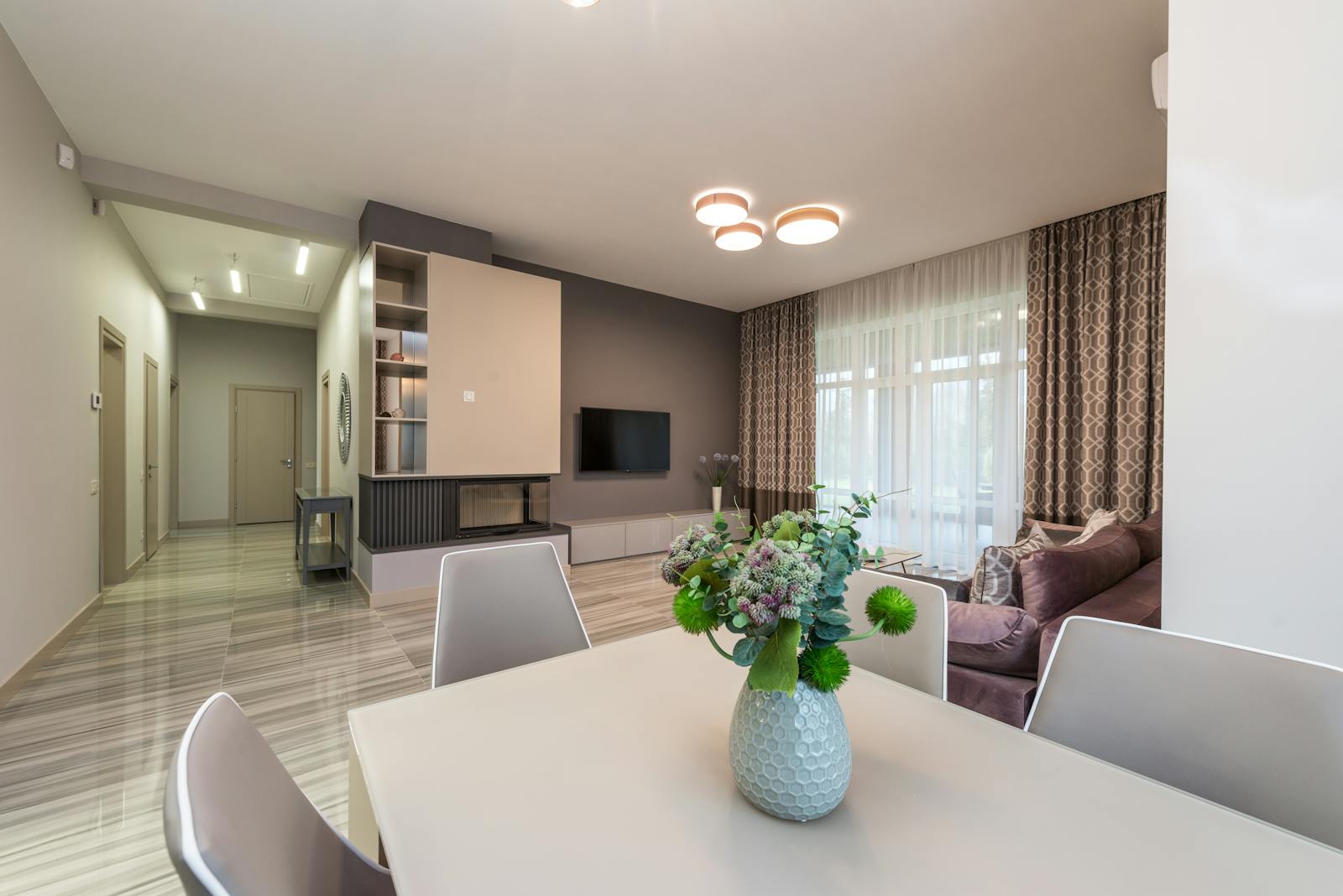
Once the unit is clean and empty, photograph every room: wide shots of the whole space, plus close-ups of the areas disputes love — inside the oven, shower grout, aircon vents, curtain fabric, flooring, walls. A short video walkthrough is even harder to argue with. Keep the original files so the date metadata stays intact, and do all of this before you return the keys — once you no longer control the unit, you cannot document its condition.
5. Keep every receipt
Professional cleaning invoice, aircon servicing report, curtain dry-cleaning receipt, any repair bills. If your agreement requires these, hand copies over at the handover and keep your own set. A dated invoice from a licensed cleaning company is among the strongest evidence a tenant can hold — it shows the obligation was met, when, and by whom. (MCAAS Solutions is NEA Licensed and WSQ Course Certified, and every job ends with a final inspection — exactly the paper trail this step is about.)
6. Insist on a joint handover inspection
Do the final walkthrough together with the landlord or agent, move-in condition report in hand, room by room. If they raise an issue, discuss it on the spot — small things can often be fixed or priced sensibly while everyone is looking at the actual item rather than a photo of it a week later. Before you leave, ask them to confirm in writing (email or message is fine) either that the unit was acceptable, or exactly what they intend to deduct for.
7. If a deduction lands: negotiate with the file, not with feelings
If your landlord proposes withholding part of the deposit:
- Ask for an itemised breakdown — what each deduction is for and how the amount was reached.
- Ask for supporting quotes or invoices. A deduction should reflect an actual cost, not a round number.
- Match each item against your evidence. Move-in photos for pre-existing issues, post-clean photos and receipts for cleanliness claims, and the fair wear and tear distinction for ageing paint, worn flooring and similar.
- Respond in writing and stay factual. “The oven is shown clean in photo 14, taken on handover day, and the attached invoice covers professional cleaning of the kitchen” wins more arguments than any amount of frustration.
- Be willing to split the genuinely grey items. Most disputes settle when both sides concede the weak parts of their case; a fast, fair compromise usually beats a long fight over a few hundred dollars.
8. If you truly cannot agree
Keep negotiating in writing first — a clear paper trail often resolves things by itself. If it does not, Singapore tenants can, as a last resort, consider the Small Claims Tribunals, which handle certain tenancy-related disputes within their limits. Whether that route fits your situation depends on your lease and the amounts involved, so check the official requirements or get proper advice before filing. Tenants with a complete evidence file rarely need to get this far.
Common mistakes that hand your landlord the win
- No move-in documentation. Without a baseline, every mark in the flat becomes arguable — and you are the one who moved out.
- Returning the keys before the joint inspection. Once you have handed back the unit, you cannot photograph it, fix anything, or witness its condition.
- Doing everything right but keeping no proof. An undocumented professional clean or aircon service is easy to dispute months later.
- Cleaning too early, then living in the unit. A flat cleaned two weeks before handover is not clean at handover. Time the deep clean for your final days, after the furniture is out.
- Settling terms verbally. “Don’t worry about it” at the walkthrough means nothing if a deduction email arrives later. Get outcomes in writing.
When DIY is enough — and when to hire professionals
If your tenancy agreement only requires the unit back in clean condition, you moved in recently, and the flat is small and lightly used, a careful DIY clean plus thorough photos can absolutely be enough.
Hire professionals when the agreement requires a professional clean or receipts, when the lease was long enough for grease, mould and limescale to build up, or when the deposit at stake is worth far more than the clean. Beyond the cleaning itself, the invoice becomes evidence — and a company that finishes with its own final inspection closes off most cleanliness-based deductions before the landlord ever sees the unit.
Book a handover clean that protects your deposit
MCAAS Solutions handles end-of-tenancy cleaning across Singapore from $248, with transparent pricing and no hidden fees. Message us on WhatsApp or call +65 8834 2867 — quotes usually come back within about two minutes. The team arrives on time with all equipment and supplies, works through the areas landlords inspect using PHMB and QAC-based disinfectants, applies an antimicrobial coating to high-contact areas, and finishes with a final inspection. You get a clean unit, a dated invoice for your records, and one less thing to argue about at handover. NEA Licensed, WSQ Course Certified, rated 4.9/5 from 370+ Google reviews.
Frequently Asked Questions
Can my landlord deduct cleaning costs from my deposit?
Generally yes, if the unit is handed back below the standard your tenancy agreement requires and the landlord pays for cleaning as a result. A documented clean — photos plus a dated invoice — is the most direct way to take that off the table.
What evidence matters most in a deposit dispute?
The move-in condition report and photos (your baseline), dated photos and video taken after the final clean but before key return, receipts for professional cleaning and aircon servicing, and a written record of the handover inspection.
When should my deposit be returned?
Your tenancy agreement should state the timeline and any conditions, and timelines vary between agreements. If the date passes without payment or an itemised explanation, follow up in writing and keep copies of everything.
What if my landlord refuses to return the deposit at all?
Set out your position in writing with your evidence attached and ask for an itemised response. If negotiation genuinely fails, the Small Claims Tribunals exist as a last-resort route for certain tenancy deposit disputes in Singapore — check the official eligibility requirements or seek proper advice before filing.
Does professional cleaning guarantee I get my full deposit back?
No one can honestly guarantee that, because deposits also cover damage and other obligations beyond cleaning. What a professional clean with a final inspection does is take cleanliness — the most common ground for deductions — out of the argument, with dated proof the work was done.