End of Tenancy Cleaning , HDB & Condo Living
Singapore Tenants Lose Deposits Over These 4 Overlooked Cleaning Steps
Most tenants who lose part of their deposit did clean the flat. They mopped, wiped the kitchen, scrubbed the toilets — and still got a deduction, because the items landlords actually flag are rarely the obvious ones. They are the steps people skip without realising they matter: the aircon servicing receipt, the wall behind the wardrobe, the inside of the cooker hood.
This guide covers the overlooked steps we see cost tenants money again and again — the original four, plus four more that come up just as often. If you would rather not gamble on catching them all yourself, our end of tenancy cleaning service covers every item below, with a final inspection before the team leaves.
Who this guide is for
Tenants in HDB flats, condos or landed rentals who plan to do most of the move-out clean themselves and want to know where DIY cleans typically fail. If you want the full task list rather than the failure points, start with our end-of-tenancy checklist for renters and use this post to pressure-test it.
The four classic overlooked steps
1. Treating mould without dwell time or drying
The most common bathroom failure is not skipping the mould treatment — it is rushing it. Tenants spray a mould remover on grout or silicone, wipe it off after a minute, and move on. The product never gets its contact time, so the staining is smeared rather than killed, and dark specks reappear along the grout lines before handover.
Do it properly:
- Apply the product and leave it for the full dwell time on the label — usually 15 to 30 minutes — before scrubbing.
- After rinsing, dry the area thoroughly. A fan pointed at the shower area for a couple of hours does more than another round of spraying.
- Check window frames, the washing machine door seal and the aircon drip tray area — mould treatments are wasted if these damp pockets are left wet.
If the mould has stained silicone sealant black all the way through, cleaning will lighten it but not remove it. Flag it to your landlord early rather than hoping the inspector misses it.
2. Never looking behind or under the furniture
Agents and landlords move things during inspection. The wall behind the wardrobe, the skirting behind the bed frame, the floor under the fridge and washing machine — these spots collect dust, and in a poorly ventilated room, mould. Because the tenant has not seen those surfaces in two years, the discovery happens in front of the inspector.
Before your final clean, pull large furniture away from walls (or do it as the movers empty each room) and check every hidden face. Wipe down the walls, vacuum the dust webs, and treat any mould patches with proper dwell time as above. The back of the fridge and the gap beside the stove deserve the same treatment — grease and dust bond into a film there that a quick wipe will not shift.
3. Cleaning around the cooker hood, not inside it
Inspectors do not just glance at the stove top. A common check is to open the hood and run a finger along the inside of the filter housing — if it comes away tacky, the kitchen fails, however shiny the counters are.
The fix takes time, not skill:
- Remove the hood filters and soak them in hot water with a proper degreaser. Ordinary dish soap removes the surface shine but leaves the baked-on film, and the odour returns once the unit is closed up.
- Wipe the housing interior after the pre-treatment has had at least 15 minutes to work.
- Do the same for the oven interior, stove burners and the cabinet faces nearest the hob, where oil vapour settles.
Be gentle reassembling the filters — a cracked filter is its own deduction.
4. Handing over without aircon servicing proof
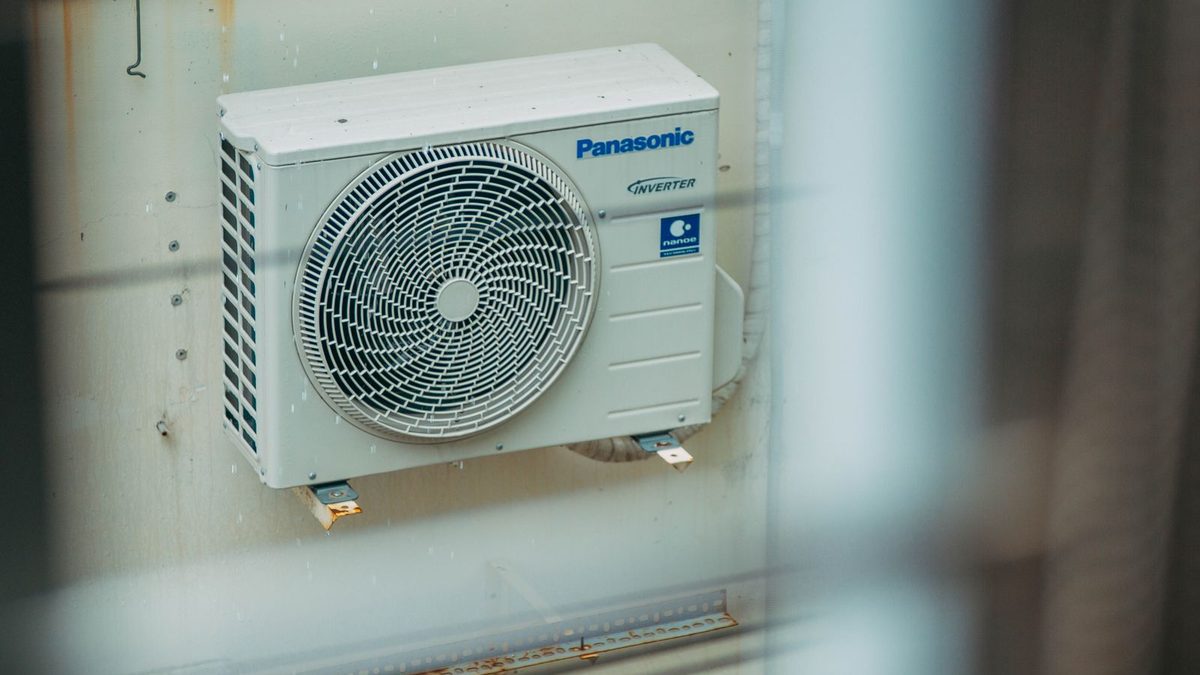
Most Singapore tenancy agreements require the tenant to service the aircon regularly through a professional contractor and to show evidence at handover. A visibly clean unit does not satisfy the clause — landlords ask for the latest servicing receipt or invoice.
Check your tenancy agreement now, not in the final week. If a servicing is due, book the contractor before your cleaning date, keep the receipt, and wipe down the unit exteriors, vents and visible fins as part of the general clean. General cleaning companies (including us) clean the aircon exterior and surrounds; the chemical servicing itself is a separate licensed trade, so do not assume one booking covers both.
Four more that fail inspections just as often
5. Ceiling fans and everything above eye level
Ceiling fan blades carry a grey felt of dust that is invisible from below and very visible the moment the fan is switched on during inspection. The tops of wardrobes, kitchen cabinets, curtain rails and door frames get the same treatment from inspectors: one finger swipe. Work top-down with a damp microfibre cloth, and do these before the floors so the falling dust gets vacuumed rather than resettled.
6. Window tracks, grilles and frames
Glass gets cleaned; tracks do not. The sliding tracks of windows and balcony doors collect a black grit that reads as neglect the moment the inspector slides one open. Vacuum the tracks first, then work through them with a damp cloth or an old toothbrush. Wipe grilles bar by bar — they show handprints and dust more than any other surface in the flat.
7. Ignoring floor traps and drain smells
A musty or sour smell in an empty flat almost always comes from the floor traps in bathrooms, the kitchen and the service yard. Lift each grate, clear the hair and sludge from the trap, scrub the grate and pour water through so the trap seal is full. An empty unit that smells fresh makes every other judgement kinder; one that smells of drains invites a harder look at everything.
8. Vacuuming soft furnishings instead of treating them
If the flat came furnished, the mattress, sofa and curtains are part of the handover. Surface vacuuming does not remove sweat marks on a mattress or drink stains on upholstery, and spraying fabric cleaner without proper extraction can leave damp fabric that develops its own smell. Treat visible stains early — days before handover, not hours — so the fabric can dry fully. For embedded stains, professional extraction cleaning is usually cheaper than the replacement cost a landlord will quote.
For the full picture of what inspectors walk through and in what order, see our guide to what landlord inspections actually cover.
When DIY is enough, and when it isn’t
DIY is realistic when the flat is small, you have two or more clear days after the movers leave, and none of the above items has been neglected for the whole tenancy. The order matters: book aircon servicing first, pre-treat mould and kitchen grease the evening before your main cleaning day so dwell times run overnight, then clean top-down, floors last.
Hire professionals when:
- You have less than a day between movers and handover — dwell times and drying alone eat most of it.
- The unit is furnished and the mattress or sofa needs stain extraction.
- Mould has spread beyond a few grout lines, or the kitchen has years of built-up grease.
- The deposit at stake is worth far more than the cost of the clean.
Get every overlooked step covered by MCAAS
MCAAS Solutions is an NEA licensed, WSQ course certified Singapore cleaning company rated 4.9/5 from 370+ Google reviews. Our end-of-tenancy cleans start from $248 with transparent pricing and no hidden fees, and the team arrives with all equipment and supplies — degreasers, PHMB and QAC-based disinfectants included. Every job ends with a final inspection against the handover standard before we leave.
Message us on WhatsApp or call +65 8834 2867 — quotes usually come back within two minutes. Tell us your unit type and handover date, and we will confirm a slot that leaves buffer time before your inspection.
Frequently Asked Questions
Do landlords really check inside the cooker hood and behind appliances?
Yes. Opening hood filters, sliding out the stove and checking behind large appliances are routine inspection steps, because that is where grease and dust accumulate untouched for the whole tenancy.
Is an aircon servicing receipt really required at handover?
If your tenancy agreement has an aircon servicing clause — and most in Singapore do — then yes, landlords typically ask for the latest receipt as proof. Cleaning the unit yourself does not satisfy the clause, so book a licensed aircon contractor before handover.
I cleaned the bathroom but the mould came back before handover. Why?
Usually because the treatment was wiped off before its dwell time, or the area was left damp afterwards. Reapply the product, leave it for the full label time, rinse, then dry the area with a fan before closing up the bathroom.
How far before handover should I do the final clean?
Aim to finish one to two days before the inspection. That leaves time for treated areas to dry properly and for you to fix anything you spot on a final walkthrough — cleaning on handover morning leaves no margin at all.
Can a professional clean guarantee my full deposit back?
No honest company can promise what an individual landlord will decide, and deposits also cover damage and unpaid bills, not just cleanliness. What a thorough clean does is remove cleanliness from the list of things a landlord can reasonably deduct for.