Landlord Inspections in Singapore: What a Proper Rental Clean Must Cover
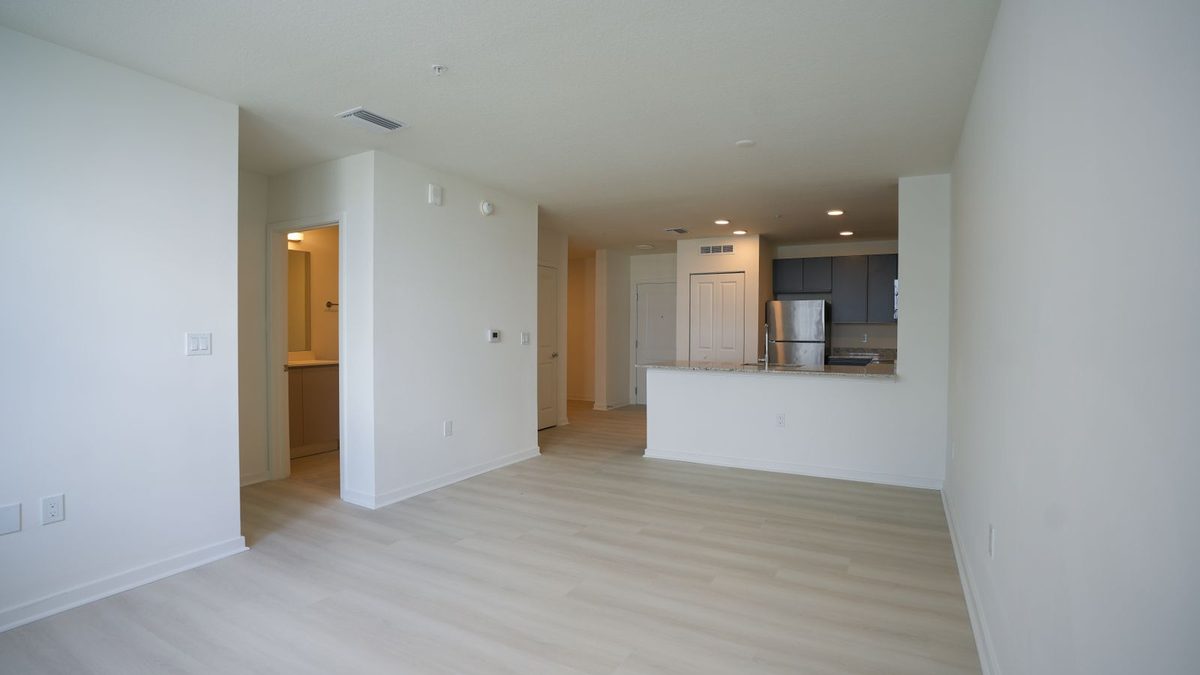
A handover inspection in Singapore is not a general impression of “clean” — it is a walk-through with a fairly predictable script. The landlord or agent moves through the unit in a set order, checks the same dozen or so points that experience has taught them tenants miss, and compares what they see against the condition report from the start of your lease. If you know the script, you can clean to it.
This guide walks you through a typical inspection in the order it usually happens — entryway, living areas, kitchen, bathrooms, air-con, windows, then fixtures — and explains what a proper end-of-tenancy clean needs to cover at each stop so there is nothing left to deduct for.
Who this guide is for
Tenants in HDB flats, condos, or landed rentals with a handover inspection coming up — whether you plan to clean yourself or want to verify a hired team has covered everything before the agent arrives. If your inspection has already gone badly, our guide on avoiding deposit disputes covers evidence and negotiation; this post is about passing in the first place.
The inspection walk-through, and how to pass each check
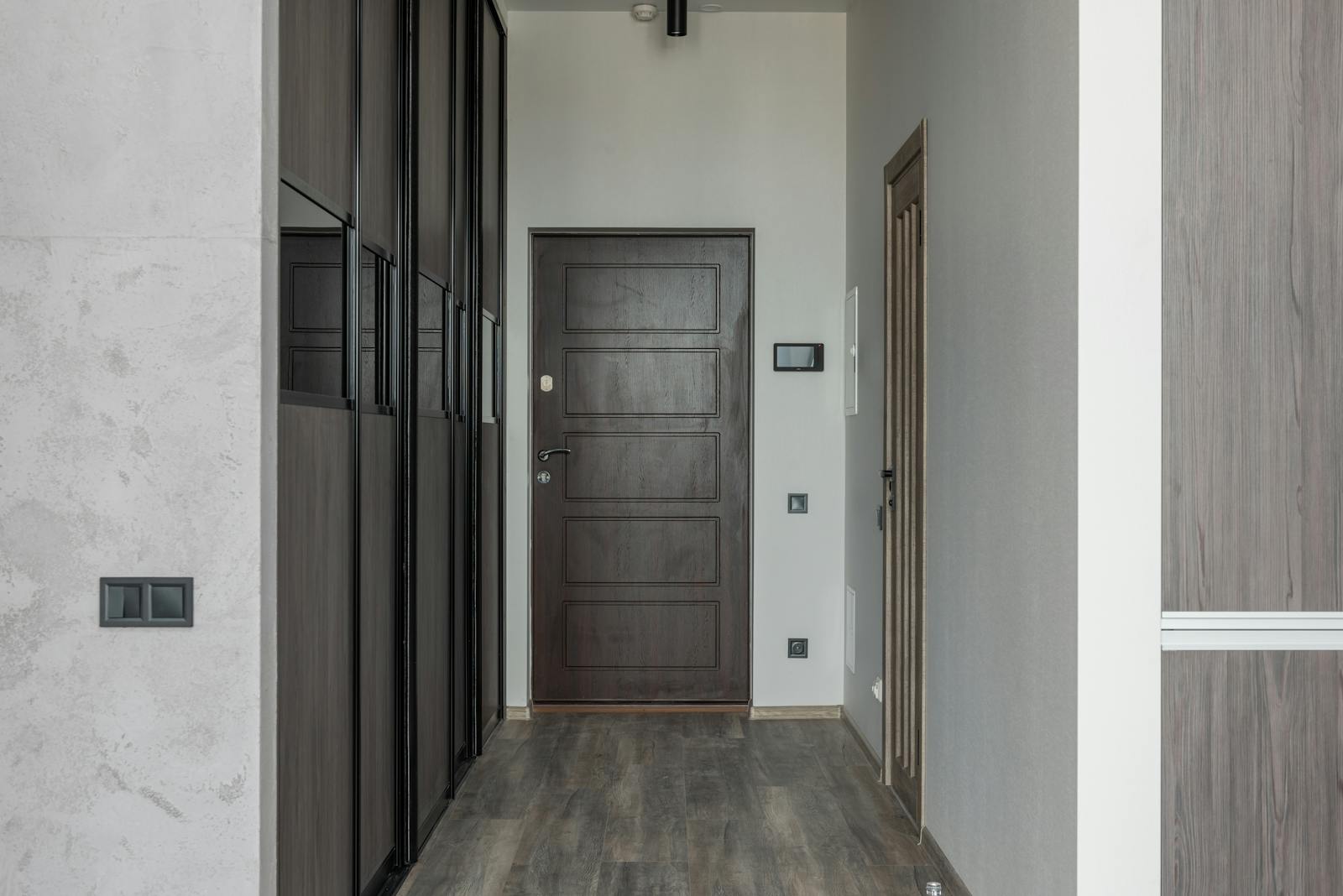
1. The entryway and living areas: the first-impression check
Agents form a view in the first thirty seconds, and that view colours how hard they look at everything else.
What gets checked: the front door and gate (both sides), the shoe cabinet interior, floors along skirting boards and corners, walls for scuffs and Blu-Tack marks, light switches, ceiling fans, and curtain rails. Agents routinely run a finger along skirting and ledges — dust there signals a surface-only clean.
How to pass: wipe doors and gates on both faces, clean inside every built-in cabinet (they will be opened), remove wall marks with a melamine sponge where the paint allows, and dust every horizontal edge above eye level — fan blades, rail tops, air-con casing. Mop floors last, after all dusting, so nothing resettles.
2. The kitchen: where most deductions start
The kitchen gets the longest and most sceptical part of the walk-through, because grease hides well and takes real work to remove.
What gets checked:
- Cooker hood and hob — the agent will look up into the hood and often remove the filter. Sticky filters and yellowed hood undersides are among the most common deduction items.
- Behind and under appliances — landlords have learned to shine a phone torch into the gap behind the washing machine and pull the fridge or stove forward where clearance allows.
- Inside the oven, microwave, and fridge — including rubber door seals, which turn tacky over a tenancy and are checked by touch.
- Cabinets and drawers — every one gets opened. Crumbs, oil film on shelves above the hob, and shelf-liner residue are all noted.
- The sink and under-sink cabinet — limescale on the tap, staining in the sink, and the damp pipework cabinet underneath.
How to pass: degrease from the top down — hood, hob, splashback, counters, cabinet fronts, floor. Soak hood filters in hot degreaser rather than scrubbing them dry. Pull light appliances forward and clean behind them; where a washing machine cannot be moved safely without disconnecting hoses, clean as far into the gap as a flat mop allows and flag the limitation to your landlord. Wipe every seal and gasket until it no longer feels sticky.
3. The bathrooms: the finger-and-torch zone
Bathrooms are inspected close up, usually with the light on and sometimes with a torch.
What gets checked: grout lines on floors and in shower areas, the shower screen or curtain rail, taps and shower heads for limescale, the toilet — including the base, the hinges, and the narrow gap between the toilet and the wall — floor traps, mirror edges, and the underside of the basin.
How to pass: grout that has darkened over two years will not respond to a quick mop; it needs a purpose-made grout cleaner and a stiff brush. Descale taps and shower heads until the metal shines — agents read shiny chrome as shorthand for a thorough clean. Clean the toilet’s exterior and base as carefully as the bowl, and get a brush into the toilet-to-wall gap. Lift floor trap covers and clear the hair beneath; a smelly trap can fail an otherwise spotless bathroom.
4. The air-con: the check tenants forget they signed up for
Most Singapore tenancy agreements make the tenant responsible for regular air-con servicing, so this check has a paper trail attached.
What gets checked: the agent opens the front panel of each fan-coil unit and looks at the filters and, often, the fins behind them. Dusty filters, mould spotting on the fins, and stained condensate trays are all recorded. Many landlords also ask for the servicing receipts your lease requires.
How to pass: wash the filters at minimum; if your lease required quarterly servicing and you have gaps, book a service before handover and keep the receipt — it often matters as much as the cleanliness, because it proves the contractual obligation was met. Wipe the louvres and casing so the visible unit matches the serviced interior.
5. Windows and grilles: the finger-along-the-track test
What gets checked: window tracks are the single most reliable spot-check in the agent playbook — a finger run along the inside of the track comes up either clean or black. Glass is checked against the light for streaks, and grilles are checked along their top edges for dust.
How to pass: vacuum the tracks first, then work the corners with an old toothbrush and wipe until a tissue pressed into the track comes out clean. Clean glass on both sides where safely reachable — never lean out for exterior high-rise glass; no deposit is worth a fall. Wipe grille bars individually, including the tops.
6. Fixtures, fittings, and the condition-report comparison
The walk-through ends with the agent checking the unit against the inventory and condition report signed at move-in.
What gets checked: every light works, every provided appliance switches on, curtains or blinds are present and clean, furniture is in its original position and condition, and nothing on the inventory list is missing. Upholstery and mattresses in furnished units are checked for stains and odours.
How to pass: replace blown bulbs before the inspection — a dead bulb is a cheap fix for you and an easy deduction line for a landlord. Re-hang anything you took down, return furniture to its move-in layout, and wash curtains if the lease requires it. For stained sofas or mattresses in a furnished unit, professional upholstery or mattress cleaning (from $98) is usually far cheaper than the replacement cost a landlord may quote.
Common reasons a clean unit still fails
- Cleaning in the wrong order. Mopping before dusting, or cleaning windows before scrubbing tracks, re-dirties finished work and shows up under the agent’s torch.
- Stopping at eye level. The checks that fail are overwhelmingly above (fan blades, hood tops, grille tops) or below (skirting, toilet base, behind appliances) the zone a casual clean covers.
- No proof for the paper-trail items. Air-con servicing and, in some leases, professional cleaning itself must be evidenced with receipts. Clean without the receipt and you may still be asked to pay again.
- Finishing too close to handover. A clean done in the final hours leaves no time to fix anything the agent flags. Aim to finish a day early, then do your own walk-through with this guide — or use our full end-of-tenancy checklist — as the script.
When DIY is enough, and when to hire professionals
DIY is realistic if the unit is small, lightly used, unfurnished, and you have two to three unhurried days after the movers leave. The inspection points above are all reachable with household tools plus a degreaser, grout cleaner, and limescale remover.
Hire professionals when any of these apply: your lease requires a professional clean with a receipt; the kitchen has heavy, aged grease; grout or air-con units show mould; appliances need moving safely; or your schedule leaves no buffer between packing and handover. A failed inspection usually costs more in deductions and delayed deposit release than a professional clean costs upfront.
Book an inspection-ready clean with MCAAS Solutions
MCAAS Solutions is an NEA Licensed, WSQ Course Certified Singapore cleaning company rated 4.9/5 from 370+ Google reviews. Our end-of-tenancy cleaning starts from $248 with transparent pricing — no hidden fees, no contracts.
Message us on WhatsApp or call +65 8834 2867 (Mon–Sat, 8:00 AM–5:00 PM) and you will usually have a quote within 2 minutes. The team arrives on time with all equipment and supplies, works through the same inspection points landlords check — including PHMB and QAC-based disinfection and antimicrobial coating on high-contact areas — and carries out a final inspection before leaving, so the walk-through your agent does is one we have already done.
Frequently Asked Questions
What do landlords check first at a handover inspection?
Most agents form a first impression at the entrance from floors, doors, and visible surfaces, then work through the kitchen and bathrooms in detail. The kitchen — the cooker hood, behind appliances, inside cabinets — is where deductions most often begin.
Do I need receipts to pass the inspection?
For the clean itself, only if your tenancy agreement requires professional cleaning — check the clause. For air-con servicing, most Singapore leases require regular servicing by the tenant, and agents commonly ask for the receipts, so keep them ready at handover.
How long before handover should the cleaning be done?
Finish at least a full day before the inspection, after all furniture and boxes have left. Cleaning around movers means re-doing floors and surfaces, and finishing early leaves time to fix anything you spot on your own final walk-through.
Can the landlord deduct my deposit for cleaning even if the flat looks clean?
Yes, if specific checks fail — dirty window tracks, greasy hood filters, unserviced air-con units, or mouldy grout can each justify a deduction even when the unit looks presentable overall. That is why cleaning to the inspection script matters more than general tidiness.
Does MCAAS cover the areas landlords actually inspect?
Yes. Our end-of-tenancy service (from $248) covers the standard inspection points — kitchen degreasing, cabinet interiors, bathroom grout and fittings, window tracks, and surface disinfection — and ends with our own final inspection before the team leaves.