Cleaning Tips , Home Maintenance
Baby-safe home cleaning products for Singapore families
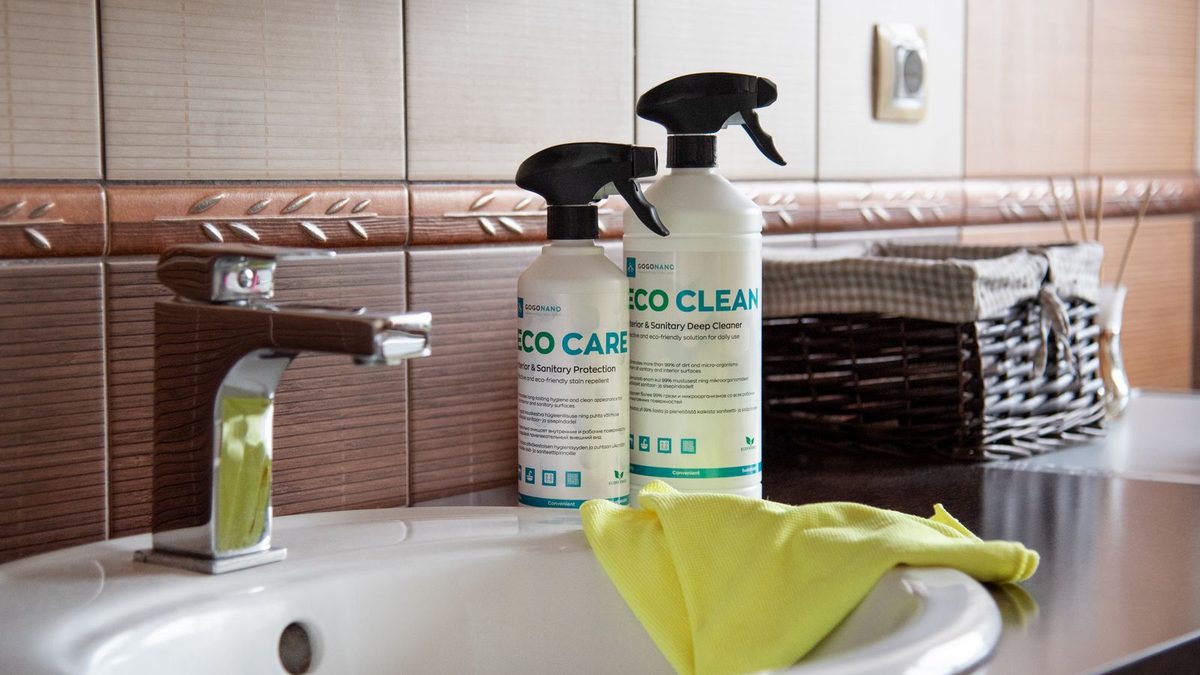
The teether is on the kitchen tiles again. You pick it up, wipe it on your shorts, and then you notice the floor still smells faintly of citrus degreaser from last night’s stir-fry. That is the moment most new parents stop trusting whatever lives under the sink. You did not buy a bottle labelled “kills 99.9%” so a crawler could gum the residue. You bought it because the grout looked grey and the hob looked sticky. In a flat that sits in 80-84% outdoor humidity most months, grease, dust mites, and bathroom film do not wait until the baby is older.
Searching for baby proof home cleaning products singapore is rarely about a shopping list. It is about a conflict. You need enough chemistry to cut cooker-hood grease and bathroom slime. You also need a home where a six-month-old can put a hand on the skirting and not pick up perfume, bleach film, or a cocktail of three supermarket sprays you mixed “just this once.” Indoor air in a poorly ventilated HDB or condo can sit two to five times more polluted than outdoor air. Dust mites thrive year-round. Mould can show on a damp bathroom wall in 24-48 hours if tiles stay wet. None of that is solved by a scented mist that dries in ten seconds on a humid switch plate.
Parents in 3-room and 4-room flats talk about the same pinch points. The high chair tray. The play-mat edge that never quite dries. The bomb shelter used as a store, with zero designed airflow, where a closed door traps moisture on cardboard and fabric. The service yard where the washing machine back grows a musty film. You cannot baby-proof humidity. You can choose products by job, leave them wet long enough to work, rinse food-contact surfaces, and keep the strongest disinfectants off the floor a crawler lives on. That is the practical split this piece walks through: what belongs in the cot room, what belongs on the hob, and what should never share a spray bottle.
You will also see why “natural” is not automatically safer, why vinegar fails on caked mesh, and why a labelled family-safe range still needs contact time and a rinse. If you are already exhausted, the last section is a cupboard audit you can finish in one nap window. No lecture about a Northern Hemisphere spring. Just the chemistry a Singapore home actually needs when a baby is on the floor.
Why a “gentle” supermarket spray still sits on a play mat after it looks dry
Most bottles in a neighbourhood supermarket are built for shine and smell. In 80% humidity, that shine is often leftover surfactant. The floor looks clean. A sock still picks up tack. A baby on all fours transfers that film to hands and then to a mouth. Fragrance is not a hygiene standard. It is a mask. If the label leans on perfume and “fresh linen,” treat it as a living-room cosmetic, not a cot-room tool.
Hospital-grade disinfectants have a job. High-touch handles, toilet seats, changing-table edges after a stomach bug. They are not a daily mop for the whole flat. They need a wet contact time. Wipe-on, wipe-off in five seconds does nothing useful and leaves more residue, not less. Family- and pet-safe concentrates exist for the same reason: you can degrease a hob without parking a harsh solvent next to a bottle warmer. The mistake is using one hero bottle on stone, laminate, cot rails, and the cooker hood mesh. Wrong pH etches marble and some quartz. Bleach plus ammonia is a hard no. Never combine them. Never store them in a drinks bottle a toddler can reach.
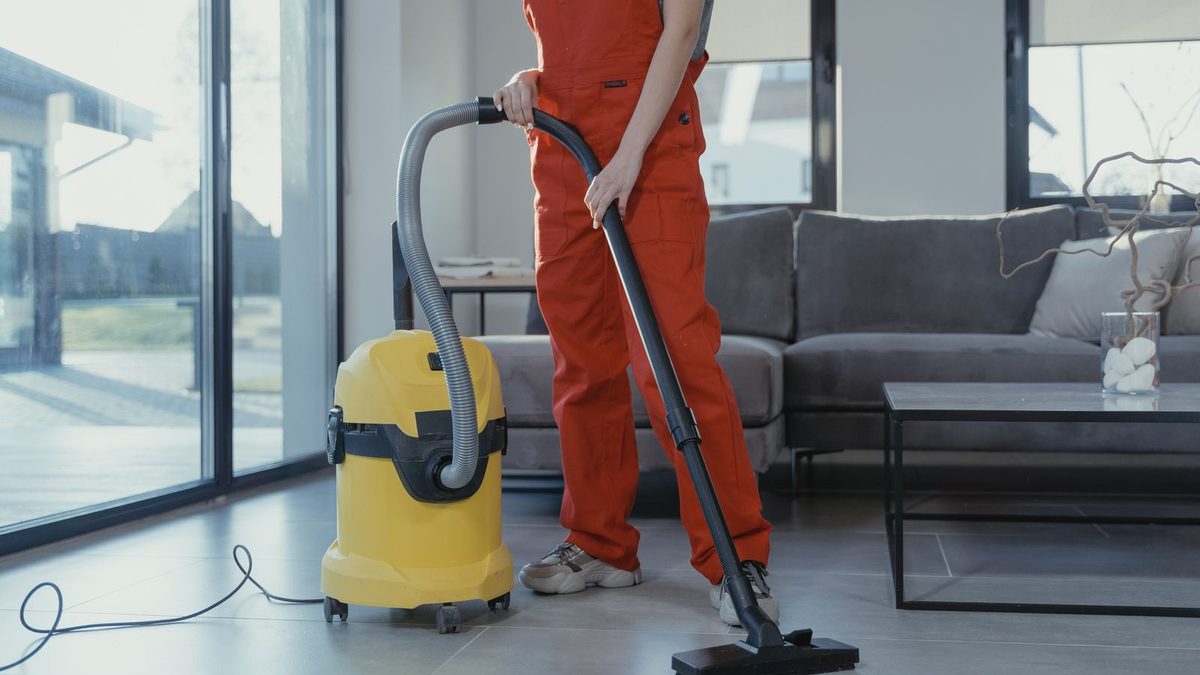
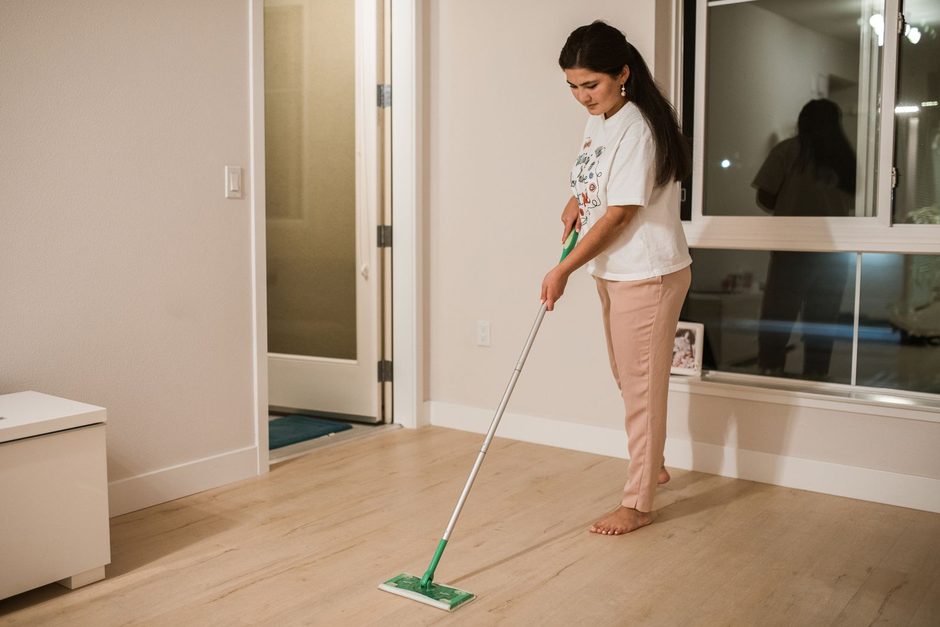
Humidity makes the problem worse because nothing evaporates the way a temperate-climate blog assumes. A lemon spray flashes off a HDB switch plate before it has done work. A damp mop pad left in a robot dock can smell like wet dog by evening. If you are mopping play areas, use a barely damp microfibre, a pH-neutral cleaner in the 6-8 band on sealed floors, and a second pass with clean water on anything a mouth might meet. Then dry. A crawler on a still-wet tile is how you get both slips and leftover product.
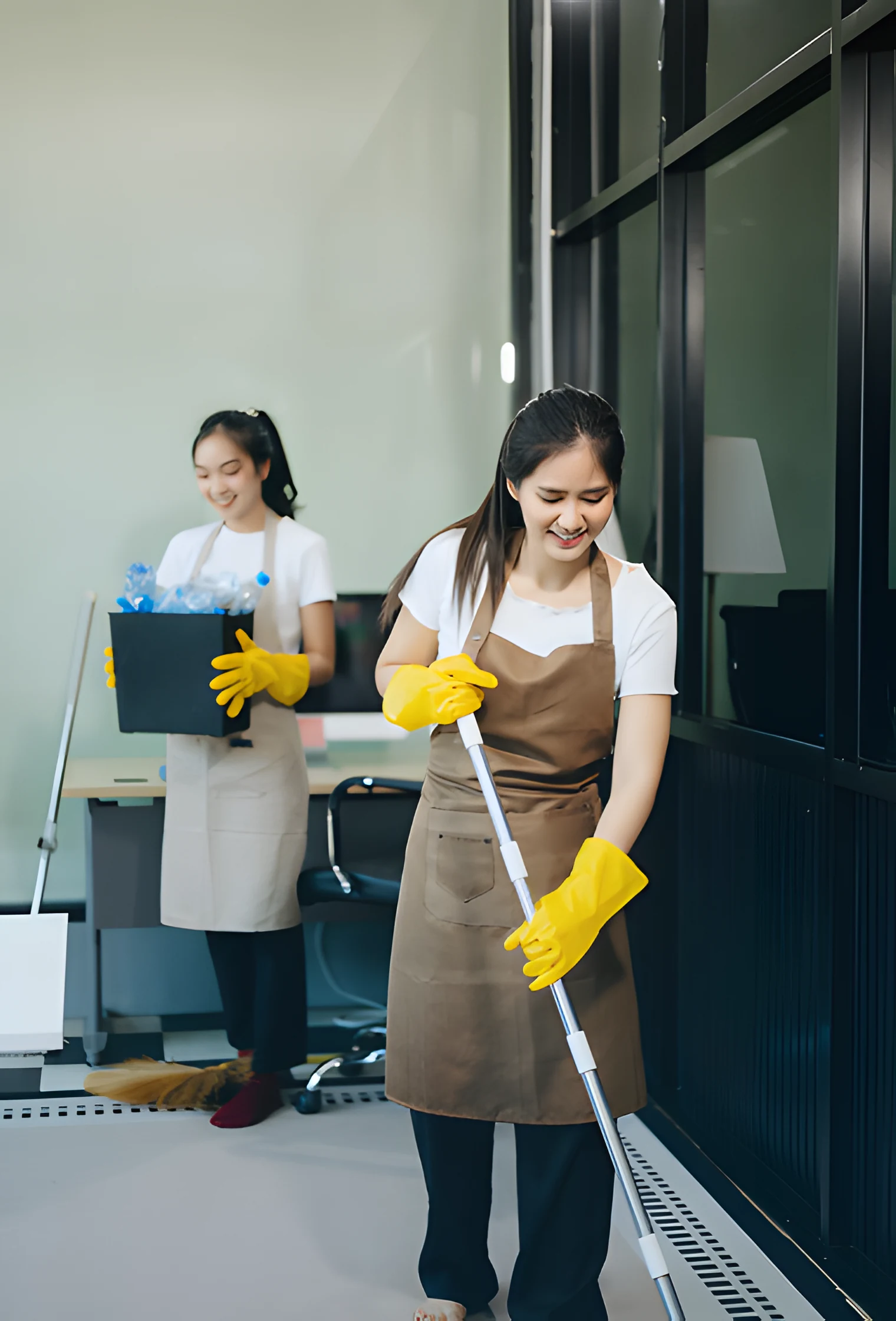
When the job is bigger than a tray wipe - caked hood mesh, blackened silicone, months of upper-cabinet dust - a trained crew that already carries family-safe and hospital-grade products for a proper home reset is often less chaotic than you mixing five bottles at 11pm. You stay in control of what sits at child height. They bring the chemistry that actually lifts grease instead of perfume it.
How to read a label before it goes near a cot or high chair
Ignore the cartoon animals. Read the active ingredients, the rinse instruction, and the surfaces listed. If a product claims to disinfect, look for a stated contact time. If it does not tell you how long to leave it wet, it is marketing. For food-contact zones - high chair trays, bottle-drying racks, hob around the milk pan - you want a rinse with potable water after the dwell time, not a scented leftover.
Once you know what a label is actually telling you, the sorting rule is simple: three jobs, three bottles, and they never swap roles. Keep three jobs in three bottles, capped, labelled, and stored above child lock height, never under the sink if a toddler can open it.
- Neutral daily cleaner for sealed floors, skirting, cot rails, and laminated play tables. No heavy fragrance. Microfibre, then a damp rinse pass on anything mouth-level.
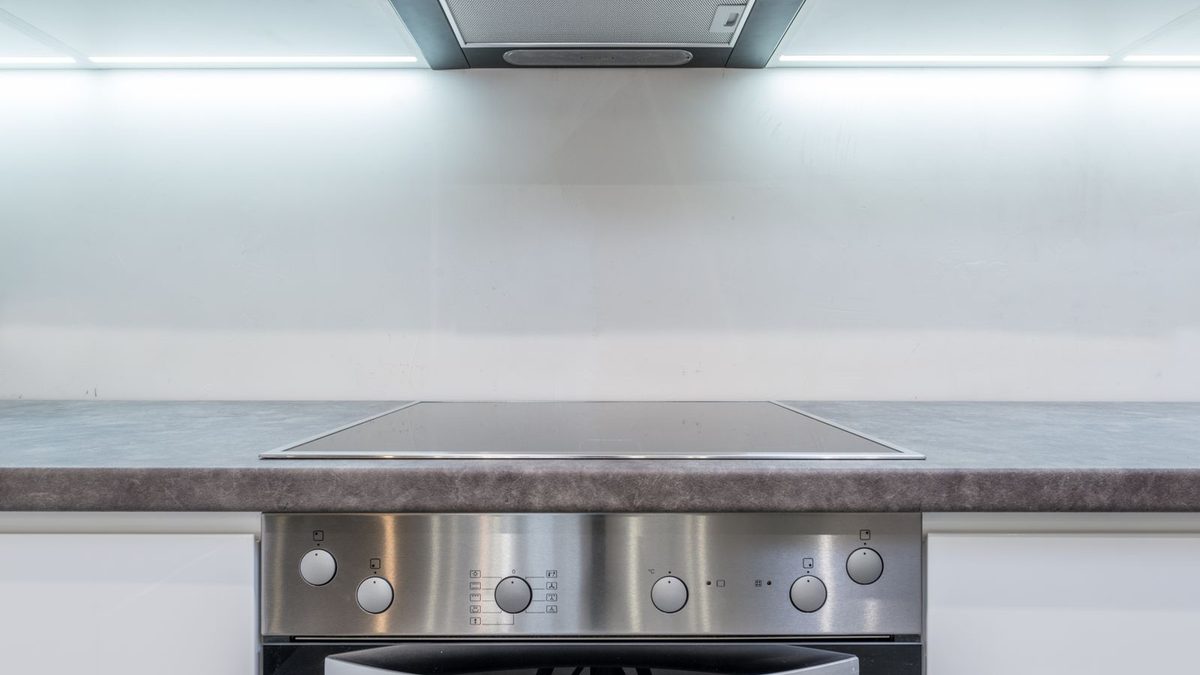
- Kitchen degreaser reserved for metal mesh filters, hob steel, and splashback. Soak mesh every 1-2 weeks if you stir-fry; the exterior looking fine while the mesh is caked solid is the usual reason the whole kitchen still smells. Keep this bottle out of the living room.
- A targeted disinfectant for toilets, taps, and sick-day high-touch points. Use the full wet time. Ventilate. Do not fog a sleeping baby’s room. After a stomach bug, treat handles and the changing area, then rinse the tray the child eats from with water, not with the same cloth.
Skip bleach on coloured grout if you have not tested a corner; it can lighten and still leave mould in the silicone. Magic Clean-type mould gels can lift a surface spot and still fail if the bathroom stays above about 70% RH. Run the exhaust during the shower and for 15 minutes after. Squeegee glass and wall tiles in the 30-second window while they are still wet. Aim indoor RH below 60% with a dehumidifier in the problem room 4-6 hours, especially in a bomb shelter store. Thirsty Hippo packs help a shoe cabinet. They will not dry a whole shelter with zero natural airflow.
If you have stone worktops in a condo kitchen, keep acid (vinegar, lemon, some descalers) off them. Etching is permanent. Neutral cleaner, then dry. That is baby-proofing the finish as much as the child.
A nap-time cupboard audit: what Singapore baby-proofed homes actually keep under the sink
Set a 40-minute timer. Pull everything from under the sink and the service-yard shelf. Bin anything unlabelled, decanted into a drinks bottle, or mixed “to make it stronger.” Check child locks on the remaining cupboard. Put degreasers and disinfectants on a high shelf in the bomb shelter or kitchen cabinet with a latch, not beside formula.
- Play-mat and cot-room kit: one neutral cleaner, two microfibres colour-coded so the toilet cloth never visits the tray, a squeegee for the en suite if that is the night-feed bathroom.
- Kitchen kit: mesh soak basin, degreaser, separate cloths, hood on full when you fry, window or toilet exhaust running so grease does not migrate onto sofas in an open-concept layout.
- Humidity kit: a cheap hygrometer in the nursery and one in the shelter. If you see 70%+, run dehumidify or dry mode plus filter rinses every 2-4 weeks. Clogged HDB corridor dust loads filters fast.
- Leave 5-10 cm behind wardrobes on exterior walls so you are not building a cold, damp pocket behind the baby’s clothes.
That audit is the whole point of hunting baby proof home cleaning products singapore shoppers think they need: fewer bottles, clearer jobs, no cocktail under the high chair. If the hood mesh is already solid or the grout is black through the silicone, stop DIY-layering. Book a scoped reset rather than adding a fourth spray.
What Customers Say
Parents who've done a full product reset with our teams have left us these notes.
"Great attention to details and most importantly Munisha and team make sure all corners are clean before heading off. Munisha and team also helped to point us defect that we didn’t notice before because they do all deep cleaning. Thank you so much! I will surely engage the company again if I need cleaning service"
- Debby
"Multiple cleaning services offered. Engaged both their house cleaning as well as upholstery cleaning. Ram and Jashan are very efficient and meticulous with their cleaning."
- Kim Hong Ng
"Amazing cleaning service for moving out! Thank you Amandeep , Amanpreet, kethi."
- Marek M
Frequently asked questions: baby-safe cleaning products for Singapore homes
Can I mop the whole flat with disinfectant every day because we have a baby?
No. Daily disinfectant on floors a crawler lives on leaves residue and is the wrong tool. Neutral cleaner, rinse on mouth-level surfaces, and save disinfectant for toilets, taps, and sick days with proper wet contact time.
Is vinegar safer than a labelled baby-safe cleaner?
Vinegar is acid. It can be fine on some glass. It is a poor degreaser on caked hood mesh, and it can etch stone. “Natural” is not a safety certificate. Use the right pH for the surface.
Do hospital-grade products belong in a nursery?
They belong on high-touch sick-day surfaces, not as a nursery air freshener. Ventilate, follow contact time, keep bottles locked up, and rinse anything that becomes a food-contact surface.
Why does mould come back on the bathroom grout after I use a supermarket mould spray?
Surface chemistry cannot beat wet walls. Squeegee, run exhaust 15 minutes after showers, and pull room RH below about 60%. Recurring black silicone often needs a deeper clean plus humidity control, not a stronger scent.
Where should I store degreaser in a small HDB kitchen?
High, latched, away from formula and snacks. Never in an unmarked bottle. Keep it out of the living play zone so a weekend hob clean does not migrate product onto the mat.
Will a robot vacuum replace product choice?
Robots miss toilet kerbs, sticky post-fry grease, hood filters, and bomb-shelter corners. Their damp pads also sit wet in the dock between runs - in Singapore humidity that pad can start smelling within hours. Wash and air-dry pads after every use, and treat robot mopping as a light maintenance pass, not a substitute for product contact time on kitchens and bathrooms.
When should I stop DIY and call a crew?
When mesh is caked solid, grout is black through the bead, a vacant or post-reno film will not lift, or you are stacking bottles because nothing works. Ask what they bring, and that it is family- and pet-safe on living floors with stronger products reserved for wet rooms.
Conclusion
We've walked enough HDB kitchens to know a teether on a citrus-tacky floor is not a small thing. You should not have to choose between a greasy hood and a chemical fog in the cot room. Baby proof home cleaning products singapore parents actually need are fewer, labelled, and matched to the job, with humidity habits that stop mould from winning in two days. Our teams bring hospital-grade where it earns its keep and eco-friendly, family- and pet-safe chemistry where a crawler lives, with WSQ-certified, background-checked teams and a re-clean if a corner is missed. Contact us at +65 8834 2867, send a quick note on WhatsApp, or visit our spring cleaning service to book a deep reset that leaves the floor actually clean, not just scented.