Humidity & Mould , HDB & Condo Living
Why black grout lines return in HDB bathrooms fast
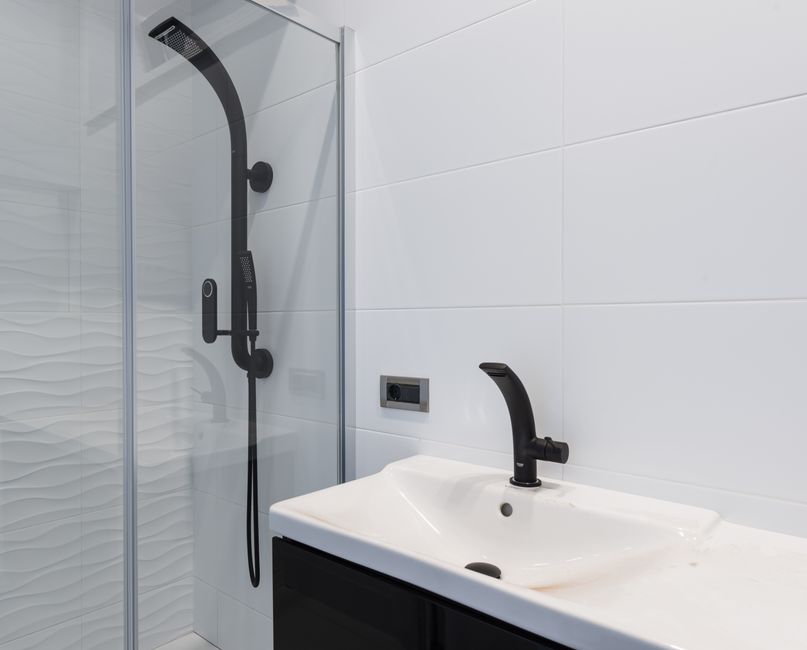
You spent twenty minutes last Sunday on your knees with an old toothbrush and a tub of Magic Clean, and by Thursday the grout line along your HDB bathroom floor trap is grey again, creeping toward black at the corners nearest the shower screen. This isn't bad scrubbing technique. It's physics. Cement-based grout is porous - think of it as a sponge dressed up as a hard surface - and in a bathroom where relative humidity regularly sits above 80%, that sponge never fully dries out between showers. Black grout lines in an HDB bathroom are really a humidity problem wearing a cosmetic disguise, and until the moisture gets managed, the colour keeps coming back no matter how hard you scrub.
Singapore's ambient humidity hovers in the high 70s to 80s percent most months, and inside a tiled, poorly ventilated bathroom with the door shut and the exhaust fan rarely switched on, it climbs higher still. Mould spores that land on damp grout can establish a visible colony within 24 to 48 hours. That's not a scare number from an air purifier brochure - it's roughly how fast a dormant spore turns into a stain you can see from the doorway. For families with young kids who sit on the bathroom floor during bath time, or anyone managing asthma or eczema, that black line isn't just unsightly. It's a low-grade source of airborne mould exposure every single day it's left untreated.
The good news is that most HDB bathroom grout problems are fixable without tearing out tiles, provided you understand what's actually happening in that gap between the tiles and why some spots blacken faster than others.
What's actually colonising the grout, and why bleach only wins for a week
Black grout discolouration is almost always a mix of mould and mildew feeding on soap residue, skin cells, and trapped moisture inside the grout's microscopic pores. Bleach kills the visible colony on the surface, which is why a scrub session looks successful on the day you do it. What bleach doesn't do is reach the spores sitting a millimetre or two below the surface, inside the porous cement structure, where moisture keeps circulating every time someone showers. Within days, those deeper spores push back up, and the line looks exactly like it did before you started.
This is the same reason Selley's rapid mould killer or a vinegar spray gives you a clean afternoon rather than a clean month. The chemistry is treating a symptom. The actual driver is relative humidity staying above the threshold where mould growth slows down, which most Singapore guides put at around 60%. Bathrooms rarely get anywhere near that unless airflow is deliberately managed, which brings up the one habit almost nobody in a busy HDB household actually does consistently.

The squeegee-and-exhaust routine that keeps grout from greying between cleans
This is the unglamorous part, but it's the difference between regrouting every two years and never touching the grout line again. The habit takes less time than scrolling through your phone while the shower cools down, and it works because it attacks moisture at the source instead of the stain after the fact.
- Squeegee the shower glass, wall tiles, and floor area immediately after every shower - this takes about 30 seconds and removes the standing water that grout would otherwise absorb overnight.
- Leave the exhaust fan running for 15 minutes after the last person showers, not just during the shower itself, so the air inside the cubicle actually drops to a lower humidity before the door closes.
- Crack the bathroom door open after use if there's no window, so moist air has somewhere to go instead of sitting trapped against the grout lines.
- Wipe down the floor trap area and the base of the shower screen once a week with a soft brush, since this is usually the first spot to blacken and the easiest to miss during a quick wipe-down.
- Check your silicone sealant around the shower screen or bathtub edge every few months - once silicone blackens, scrubbing won't fully restore it, and it usually needs replacing before mould spreads into the grout beside it.
- Run a small dehumidifier in the bathroom for four to six hours on particularly humid or rainy days, aiming to keep the room below roughly 60% relative humidity rather than letting it sit wherever the weather leaves it.
None of this is complicated, but it only works if it's consistent. A single thorough clean, even a professional one, buys you weeks, not months, if the humidity habits don't change afterward. That's the gap most DIY routines fall into: good scrubbing, no follow-through on airflow.
Why the floor trap blackens before the wall tiles do
If you've noticed the grout around your floor trap or the bottom row of wall tiles going dark faster than the grout higher up, that's not your imagination. Water pools and lingers longest at the lowest point of the bathroom, which is exactly where the floor trap sits. It's also usually the last area anyone thinks to dry deliberately, since gravity is already doing the draining for you, or so it seems. In practice, enough moisture sits trapped in that grout, combined with hair, soap scum, and skin oils washed down with it, that the floor trap often becomes the single worst-smelling, worst-looking spot in the entire bathroom.
The same logic explains why bathrooms attached to service yards or older four-room and five-room HDB flats with less natural cross-ventilation tend to blacken faster than newer units with larger windows. Less airflow means the humidity that builds up during a shower has nowhere to escape, so it just sits against the coolest, dampest surfaces in the room - which is almost always the grout nearest the floor. If your flat's bathroom has no window at all and relies entirely on a mechanical exhaust fan, that fan isn't optional equipment. It's doing the job a window would otherwise do for free, and if it's weak, dusty, or simply never switched on, the grout pays the price within weeks.
When scrubbing stops being enough and regrouting becomes the honest answer
There's a point where a grout line has absorbed so much moisture and mould over months or years that no amount of scrubbing restores its original colour. If you've tried the squeegee habit, the exhaust fan timing, and a proper grout-safe cleaner for a few weeks and the black lines are still visibly dark rather than lightening, the grout itself may have degraded past the point of surface treatment. At that stage, the realistic options are professional-grade deep cleaning with equipment that reaches deeper into the porous structure than a toothbrush ever will, or regrouting the affected sections entirely.
This is usually where bringing in a professional team makes more sense than another weekend lost to scrubbing. A trained crew uses grout-safe chemistry strong enough to lift embedded mould without etching the tile glaze, and they'll flag sealant that's past saving before it spreads mould into fresh grout nearby. For households managing this across a whole bathroom, or tackling it alongside other overdue humidity trouble spots like a musty bomb shelter or a wardrobe with white bloom on the shelves, a spring cleaning service from MCAAS Solutions covers the grout, the silicone, and the airflow habits in one visit rather than leaving you to guess which product actually works.
What Customers Say
"Thank you Munisha and team for your immaculate work and dedication. You have gone above and beyond my expectations and my new homes looks, smells and feels amazing after your deep cleaning! Special shout out to taking down details including videos and photos of the imperfections of carpentry and cabinets so I can escalate to ID for fixing... Many thanks! and highly recommend for new home deep cleaning!"
- jing zhang
"Arum is a great supervisor, he's hard working n took initiative for his work in guiding his team Amampreet n Nan. They did a good n through job in cleaning our whole flat. Cheerful n helpful in helping to take out heavy stuff. Good job, Arum n Team..."
- Nancy Tan
"Have been receiving cleaning services for a while from the company; Aman Preet was very helpful in providing good cleaning, and clear advice on the items I could buy to make the cleaning more effective for different parts of the house too."
- Jonathan Taylor
"We had an excellent experience with MCAAS Solutions. Very professional and thorough job by Munisha and her team."
- Ross Cramp
FAQs About Black Grout Lines in HDB Bathroom Humidity
Why does grout in my HDB bathroom turn black so much faster than in landed homes?
HDB bathrooms are typically smaller and more enclosed, with less natural cross-ventilation than a landed property's bathroom. That smaller volume of air means humidity builds up faster after every shower, and without a window or strong exhaust fan, it has nowhere to escape, leaving the grout damp for hours.
Is black grout actually dangerous, or just unattractive?
It's both a cosmetic issue and a low-grade health concern. The dark colour is mould and mildew colonies, which release spores into the air every time the bathroom is disturbed. For households with asthma, allergies, or small children, that daily low-level exposure is worth addressing rather than ignoring.
Can I just re-caulk the silicone instead of dealing with the grout?
Only if the mould hasn't spread into the grout itself. Silicone sealant around the shower screen or bathtub often blackens before the grout does, and replacing it is a straightforward fix. But if the adjacent grout lines are already dark, re-caulking alone won't solve the underlying moisture problem.
How often should I deep clean bathroom grout in Singapore's climate?
A thorough grout clean every two to three months, combined with the daily squeegee and exhaust habit, keeps most HDB bathrooms looking fresh. Households that skip the daily habits often need a deeper intervention every few weeks instead, which is far more effort than the alternative.
Will a dehumidifier in the bathroom actually make a difference?
Yes, particularly in bathrooms without windows. Running one for four to six hours on humid days, aimed at keeping the room below roughly 60% relative humidity, measurably slows mould regrowth compared to relying on an exhaust fan alone.
What cleaning products are safe to use on grout without damaging the tiles?
Avoid mixing bleach with other household chemicals, and be cautious with acidic cleaners on natural stone tiles, which can etch permanently. A dedicated grout-safe cleaner, used with a stiff brush rather than a wire one, is the safer home option; professional crews carry chemistry calibrated for this exact job.
At what point should I call in a professional instead of continuing to DIY?
If you've been consistent with the squeegee and exhaust habit for several weeks and the grout still looks dark rather than lightening, the mould has likely penetrated deeper than surface cleaning can reach. That's the point where professional deep cleaning or regrouting becomes the more honest fix.
Conclusion
We at MCAAS Solutions see the same pattern in bathroom after bathroom across Singapore: a homeowner who scrubs diligently but never gets ahead of the humidity doing the real damage underneath. There's something quietly frustrating about doing everything "right" on a Sunday and still finding the same black line staring back on Wednesday - and it's not a reflection of how clean your home is, just how the climate works against porous grout every single day. If your bathroom's grout has gone past what a toothbrush and patience can fix, or you'd rather spend the weekend doing anything other than scrubbing a floor trap, reach out to us. Contact us at +65 8834 2867, send a quick note on WhatsApp, or visit MCAAS Solutions to book a deep clean that actually deals with the humidity, not just the stain.