Humidity & Mould , HDB & Condo Living
Dehumidifier vs cleaning: which actually fixes mould in your HDB?
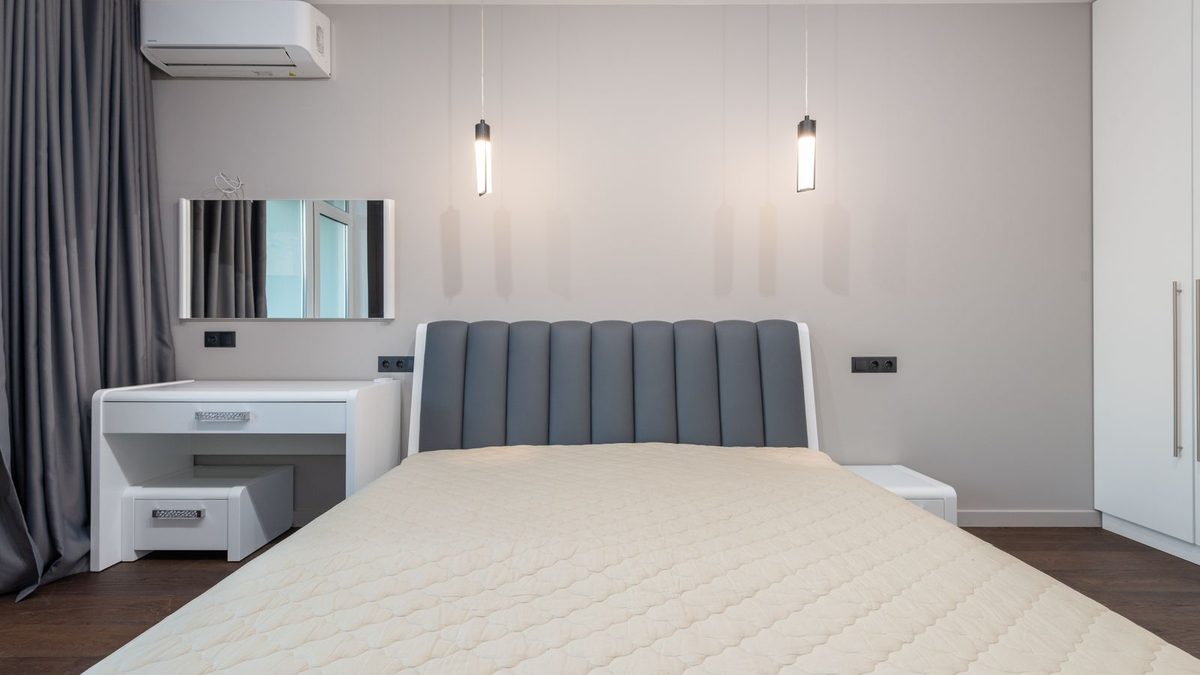
The hygrometer on the wardrobe shelf reads 78% at 10pm. You emptied the dehumidifier tank twice today, ran dry mode until the bill stung, and still found a soft grey bloom behind the bedhead when you shifted the frame. That is the real argument inside every dehumidifier vs cleaning for HDB mould debate-not which gadget wins on Shopee, but which job each tool can actually finish.
Singapore's humidity does not politely pause between monsoons. Outdoor air often sits near 32°C and 70% RH, people spend roughly 90% of their time indoors, and unused rooms have been measured at 27°C with 96% humidity-conditions where walls, leather belts, and packed clothes go mouldy fast. Floor-level RH of 82-84% is enough for dust mites to thrive; the comfort target most building-science guidance circles is below 60%, often 40-55%. When HDB logged about 240 neighbour air-con condensation and mould feedback cases in 2025 alone (on top of a prior multi-year average near 715 air-con-related cases a year), lower-floor households already knew the pattern: yellowish ceiling patches near the fan coil, black silicone on shower joints, a damp smell that returns the moment the machine stops.
A compressor unit pulls water out of the air while it runs. A proper clean removes the biofilm, spores, and greasy dust already glued to paint, grout, silicone, and fabric. Confuse the two and you get the HardwareZone loop: bleach the patch, celebrate for three days, then watch splotches reappear because the room never stayed dry long enough for the surface to matter. 2025's rainfall total hit 2984.9 mm-18% above the long-term average and the seventh wettest year since 1980-with March alone 130% wetter than its norm. That is structural moisture pressure, not a "rainy week" tip.
Families with allergic rhinitis (historically common in roughly 35-40% of Singapore adults) feel this as more than cosmetics. House-dust-mite sensitisation rates in surveyed groups often sit at 75-80%+. Kids' rooms, mattresses, and wardrobe stacks become reservoirs if RH stays high and cleaning never reaches the still-air pockets. The rest of this piece separates what a dehumidifier can control, what only mechanical cleaning removes, how to sequence both in a lived-in HDB, and when to stop DIY and bring a humidity-aware team with the right chemistry and reach.
What a dehumidifier actually changes in an HDB bedroom
Think of the machine as a temporary climate editor, not a mould eraser. While the fan and compressor run, absolute moisture in the air drops and condensation on cold external walls slows. Place a small unit too close to a curtain or under a sealed wardrobe and you create a dry bubble beside a wet pocket-the classic "humidity rises as soon as we switch it off" complaint. Continuous 24/7 dry mode or dehumidifier use also shows up on the electricity bill; many households try it after black substance reappears on toothbrush silicone within a week of wiping.
Useful placement beats bigger litre ratings. Put the intake where air actually stagnates: beside the bed against the external wall, near the wardrobe door gap, or in a rarely opened bomb-shelter storage corner-not only in the living room centre where the air already moves. Keep doors ajar enough for circulation if you want the whole bay to drop, or shut them if you are staging one room at a time. Empty the tank before bed; a full tank turns the unit into a warm plastic ornament. Pair with air-con dry mode in short, intentional blocks rather than leaving everything blasting while you are at work if cost is the constraint.
What the machine will not do: lift established biofilm from painted plaster, dissolve grease that holds spores on a cooker-hood underside two rooms away, or scrub the grout line your mop never reaches. Spores already settled on fabric and silicone wait patiently. When outdoor moisture and neighbour condensation keep feeding the envelope-especially on lower floors-the RH rebound after shutdown is not a product failure; it is physics. Dehumidification is a pause button and a growth suppressor. Cleaning is the removal step that pause button needs if you want the next week to look different from the last.
Why surface cleaning still fails when RH stays above 60%
Bleach and multipurpose wipes clear colour you can see. They do not rewrite the microclimate behind the wardrobe or inside air-con fins that later recirculate spores after a chemical wash. Forum threads repeat the same sequence: wipe, perfume candle, Thirsty Hippo for a few nights, then splotches again. Anti-mould paint such as Zinsser helps after proper prep, yet paint over damp, soiled plaster is lipstick on a wet wall. Contractor quotes for a full 3-room mould-remediate-and-repaint package typically start around $1,800-$2,500 based on current market listings - making it a significant spend to waste on an unprepared surface.
HDB geometry works against casual wiping. Beds pushed flush to external walls trap still air. Wardrobe backs sit a few centimetres off plaster and become mini greenhouses. Service yards, balcony tracks behind curtains, and silicone around vanity mirrors stay wet longer after showers and laundry. Cement grout absorbs rather than sheds dirt; aggressive scrubbing can drive stain deeper, which is why epoxy re-grout exists as a capital fix rather than a weekend hobby. If your only tool is a cloth and a spray bottle, you are negotiating with the surface while the room's water load stays high enough for regrowth in 24-48 hours on damp materials.
Cleaning that actually moves the needle treats mould as a systems mess: mechanical agitation, appropriate dwell time for the chemistry, extraction or thorough rinse where fabrics are involved, and deliberate attention to silicone, tracks, skirting, and high dust. That is closer to a structured deep session than a general tidy. It is also why "one time general cleaning only, nothing special" frustrates people who booked hoping the black ceiling patch would vanish. Scope and method matter more than hours on a clock.
A weekend sequence that pairs both without wasting the tank water
Use this as an operational checklist you can run before deciding whether to escalate. It assumes a lived-in 3- or 4-room flat, not a stripped unit.
- Buy or borrow a cheap hygrometer and log RH at pillow height, floor level beside the bed, and inside one wardrobe shelf morning and night for two days. Write the numbers down; memory lies when the room "feels okay."
- On the first free morning, pull the bed 30-40 cm off the external wall, empty the bottom wardrobe shelf, and open doors so stagnant pockets can equalise. Run the dehumidifier or dry mode until the room hygrometer sits under 60% for several continuous hours if the unit can achieve it.
- While RH is suppressed, dry-wipe loose dust from skirting, bed legs, and the wall strip that was hidden, then treat visible mould with a product suited to painted plaster - avoid kitchen degreasers, which are formulated for grease, not biofilm, and can damage emulsion paint. Change cloths often so you are not painting spores across clean paint.
- Detail silicone in the bathroom and any black growth on bottle necks or toothbrush areas; these small surfaces are honest sensors. If they rebound within a week, your ambient moisture control is still losing.
- Vacuum mattress edges and wardrobe floors with a sealed HEPA unit if you have one; bagless blowers just redistribute. Wash or sun fabrics that can handle it, then return them only after the room has held lower RH.
- Service or at least clean accessible air-con filters; schedule a proper chemical wash if the fins smell or look furred. Cleaning the room while the coil still sheds spores is half a job.
- For the next five nights, run dehumidification or dry mode on a schedule tied to your logs-not vibes-and keep laundry drying out of the bedroom if possible. Indoor drying is a local moisture factory.
- If patches return on the same cold wall despite RH readings that actually stay below 60%, document with timestamped photos. That pattern can point to neighbour condensation or envelope issues HDB feedback channels already track, not merely lazy wiping.
When the weekend reveals high dust behind furniture, greasy kitchen aerosol that feeds musty corners, or mould across multiple rooms, a professional humidity-aware spring cleaning / deep clean becomes the efficient reset: equipment brought on site, consistent method top-to-bottom, and time spent on the nooks a robovac never sees. The dehumidifier then protects the baseline instead of fighting an unclean reservoir.
Cost, limits, and when DIY should hand over
Running machines nonstop to mask a dirty, spore-loaded room is the expensive version of denial. So is repeating $80-200 bathroom mould call-outs or chasing full-flat mould-and-paint quotes while RH still spikes nightly. Recurring professional sessions often price lower per hour than pure ad-hoc platform rates, and a planned deep clean commonly lands in the few-hundred-dollar band depending on flat size-far less chaotic than stacking emergency treatments after every wet spell.
Honest limits help. A dehumidifier cannot fix illegal or uninsured "Telegram helper" arrangements if you later need recourse; only proper licensing pathways cover household part-time migrant cleaners legally. Standard general cleans that ask you to supply the mop rarely include the dwell chemistry and high-reach discipline mould pockets need. Empty-unit cleans outperform fully furnished ones because furniture-moving eats the clock-say so upfront rather than expecting miracles in three hours of clutter. And no ethical cleaner should promise "permanent eradication" while a neighbour's condensate still cold-bridges your wall; the honest offer is thorough removal, RH strategy, and clearer documentation if you need to escalate building issues.
Choose cleaning first when you can see or smell growth, when silicone blacks within days, or when allergy symptoms track the bedroom. Choose sustained dehumidification when logs show RH above 60% even after a clean surface day. Choose both-sequenced, not simultaneous chaos-when you live in a lower-floor HDB that fought 2025's wet records and still hosts a family that sleeps eight hours a night in the same air.
What HDB households told us after pairing cleaning with humidity control
Several of these were post-clean checks where the client had been running a dehumidifier for weeks before booking us.
"We had cleaning done by Ms Amanpreet Kaur and Ms Kathy . It was a fantastic job done. They did it very sincerely and with great dedication. It was a three bedroom house . The house was very clean and looked sparkling . Thank you for a Job well done"
- Gau Playz
"Amanpreet and nan are good and meticulous"
- Shermaine Chan
"Munisha and team did an excellent job cleaning our newly renovated house! It was impeccable! Highly recommend!"
- Frank Feng
"Suria and her team did a wonderful job preparing the place for handover to tenant. Place is very clean. Suria the manager listens to customer instruction and executes very well. Will use them again next time."
- Eric Tay
Common questions about dehumidifiers and mould cleaning in HDB flats
Is a dehumidifier enough on its own for HDB mould?
No. It suppresses growth while running and slows condensation, but established mould on paint, silicone, grout, and fabric needs mechanical cleaning and often specialised follow-up. Without removal, spores wait for the next RH spike.
Why does humidity jump the second I switch the unit off?
Outdoor moisture, showers, cooking, drying laundry, and neighbour air-con condensation keep feeding the flat. If doors, walls, and furnishings are already damp or dirty, the room rebounds toward ambient conditions quickly. Aim to hold indoor RH below 60% long enough for surfaces to dry after cleaning.
Should I bleach bedroom wall mould every weekend?
Repeated bleach on painted HDB plaster is a temporary colour reset. Without RH control and a deeper clean of the strip behind furniture, patches commonly return in days. Over-wetting walls can also keep the plaster damp longer.
Dry mode or dehumidifier-which is better?
Both lower moisture when used deliberately. Dry mode uses the air-con system you already have; a portable dehumidifier can target a single bedroom or wardrobe zone. Many households combine short dry-mode blocks with a portable unit where logs show the worst pocket. Watch the electricity bill either way.
Can neighbour air-con really cause mould on my side?
Yes. HDB recorded roughly 240 condensation-and-mould feedback cases linked to neighbours' air-conditioners in 2025, after years of hundreds of air-con-related cases annually. Document with photos and RH logs; cleaning still removes what grew on your surfaces while you pursue building-level issues.
When should I book professionals instead of another tank empty?
When growth spans multiple rooms, returns after you have already held RH under 60%, involves ceilings near fan coils, or when allergy symptoms and musty odour persist. A structured deep clean with equipment on site resets reservoirs a weekend wipe cannot reach.
Will anti-mould paint replace cleaning and dehumidifying?
Paint is a finishing layer after prep. Applying it over soiled, damp plaster without RH discipline and cleaning is a common reason splotches return. Budget for surface work and moisture control first.
Conclusion
We at MCAAS Solutions see the same quiet standoff in flat after flat: a full water tank beside a wall that still freckles grey because moisture control and soil removal were never scheduled as partners. Dehumidifier vs cleaning for HDB mould is a false duel-the winning move is sequence, logs under 60% RH, and honest scope on silicone, still-air pockets, and high dust. When the weekend checklist is not enough, we bring NEA-licensed, WSQ-trained teams, diluted quaternary ammonium formulations dwell-timed to Singapore NEA guidance, and the kind of checklist-driven deep work that lets your machine protect a clean baseline instead of masking a dirty one. Contact us at +65 8834 2867, send a quick note on WhatsApp, or visit our spring cleaning service to book a humidity-aware clean that pairs with the dehumidifier you already own.