Cleaning Tips , Home Maintenance
How to prepare home before cleaners arrive in SG

The WhatsApp confirmation lands at 9.47pm. Cleaners tomorrow, 10am slot, four hours blocked on a 4-room HDB you have barely seen with the lights on all week. You walk the corridor once, see the toy pile by the sofa, the drying rack half-blocking the service yard, three days of dishes, and that familiar thought hits: should you tidy first, or leave everything for them?
Learning how to prepare home before cleaners arrive is not about polishing floors so the crew has nothing left to do. It is about protecting the hours you are actually paying for. In Singapore’s dual-income flats, paid time disappears fast when a team has to sort laundry, clear dining chairs, and hunt for the remote under a blanket mountain before they can reach the grease mesh, bathroom grout, window tracks, or the strip of floor under the bed where dust mites settle year-round. Outdoor humidity sits in the high 70s to 90% range most days. Indoors, anything you leave wet or packed tight keeps feeding mould and sticky film while the clock runs.
Busy homeowners often assume “they’ll handle the mess.” Fair instinct. Still, every basket of clothes on the bed is a mattress surface the vacuum never fully treats. Every stack of takeaway boxes on the hob is a cooker hood filter that stays caked for another week. Platform complaints you hear on forums sound the same: floors redone after the team left, one toilet that ate an hour, “no initiative,” water splashed into drawers because clutter forced awkward angles. A short prep pass does not fix a weak crew. It does stop a strong crew from spending your budget on logistics instead of high-impact zones.
This guide walks through a realistic evening-before and morning-of routine for HDB and condo homes. You will see what to clear, what to leave, how to brief the team without micromanaging, and which corners matter most in humid weather. No performative deep clean the night before. Just the declutter contract that lets professionals scrub, not sort.
Why clutter burns paid hours before a single cloth comes out
Think of the booking as a fixed block of skilled labour, not an open-ended maid day. A thorough residential session in a typical 3- to 5-room flat often runs in the multi-hour band, with deeper resets stretching longer when the scope includes upper cabinets, fans, tracks, and wet zones. If the first forty minutes go to relocating school bags, folding chairs, and finding floor space for a mop bucket, those minutes never return to the shower silicone that greys again after every monsoon stretch.
Clutter also hides the exact surfaces people hire help for. Toys under the sofa block the under-furniture pass. Laundry on the bed means mattress edges and baseboards stay untouched. A service-yard floor covered in detergent bottles and shoes means the washing-machine back and floor trap - common musty and sewer-gas sources - stay out of reach. Open-concept kitchens are worse when the dining table holds the week’s post: grease film on nearby soft furnishings gets skipped because the path is blocked.
There is a social layer too. Many dual-income households feel judged when a stranger walks into chaos. That anxiety leads some people to scrub half the night, then resent paying for work they already did. Flip the logic. Your job is access and safety. Their job is chemical contact time, high dust, mesh soak logic, grout detail, and the initiative to work a checklist without waiting for you to point at every corner. Clear the runway. Let them fly the route.
Humidity makes the cost of delay sharper. Bathrooms can show growth within days if walls stay wet and exhaust is weak. Wardrobes packed hard against exterior walls create cold damp pockets; local advice often suggests a 5-10 cm gap for air. If cleaners cannot open doors, pull light furniture, or reach bomb-shelter corners because storage is jammed floor to ceiling, the highest-risk microclimates stay untouched. Prep is not vanity. It is how you stop Singapore’s climate from winning the hour after the team leaves.
The 35-minute evening pass that changes the whole session
You do not need a full spring-level effort the night before. Aim for a focused pass you can finish after dinner while the kids settle or a show plays in the background. Work room by room in this order so wet and food zones stop fermenting overnight.
- Kitchen first: load or hand-wash dishes, empty the sink, wipe large crumbs off the hob, and clear the counter so the cooker hood exterior and surrounding splash zones are reachable. Leave the metal mesh filters in place unless your written scope already asks you to remove them; many crews prefer to handle soak and refit themselves.
- Bathrooms second: hang towels, clear the vanity top into one caddy, remove bath toys from the tub, and run the exhaust while you work. A quick squeegee on glass and tiles after the last shower of the night cuts the damp film that otherwise greets the team in the morning.
- Beds and sofas third: strip or fold excess throws, put dirty laundry in one closed hamper, and clear the mattress surface if bedding or upholstery is in scope. Do not rebuild the entire wardrobe; just free edges and under-bed paths.
- Floors and walk lines fourth: pick up toys, shoes, cables, and the drying rack if it blocks the service yard. Robot docks, water bowls, and pet gates should sit against a wall so mopping is continuous.
- Trash and recycling last: tie bags and place them at the door or chute path you use. Full bins force cleaners to stop mid-flow and hunt liners you forgot to leave out.
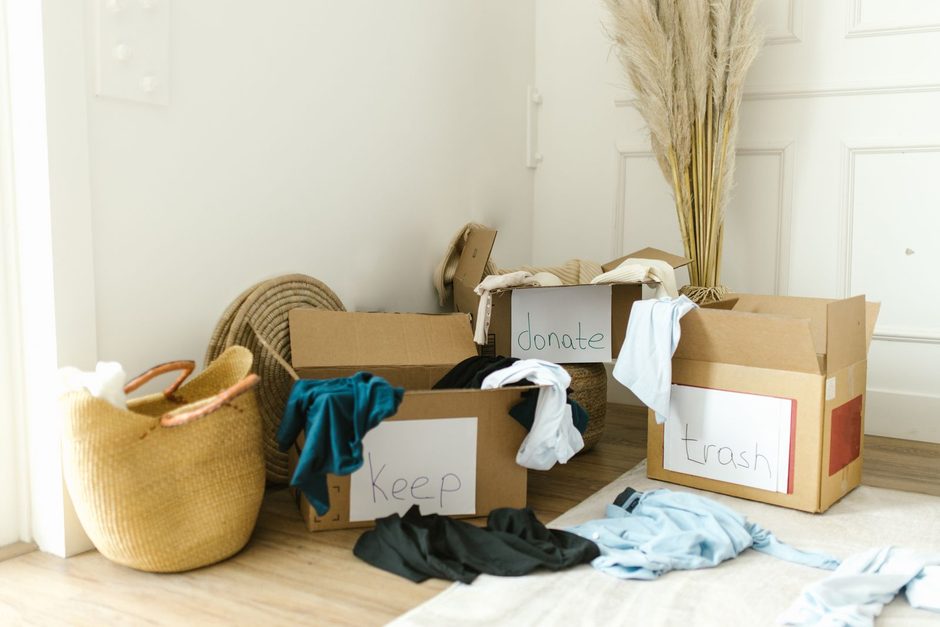
While you move, create three simple piles on one dining chair or a labelled corner: “stay,” “to wash,” and “to store later.” Resist the urge to reorganise the whole storeroom. You are buying scrubbing time, not a KonMari consult. If a bomb shelter or household shelter is part of the brief, open the door for airflow the evening before when it is safe to do so, and pull the most obvious floor boxes forward so the crew can reach walls and corners that otherwise sit in zero natural ventilation.
Condo residents should add a logistics minute: confirm visitor parking or lobby registration rules, lift padding needs, and any restricted cleaner hours your MCST enforces. Nothing wastes a booked slot like a team held at the guardhouse while you scramble for QR codes. HDB walk-up homes benefit from a clear staircase landing and a note on which gate lock sticks.
Morning-of setup, chemicals you should not mix, and the brief that beats micromanaging
On the morning itself, finish what humidity and food safety will not forgive. Empty the fridge of open leftovers only if interior fridge cleaning is booked; otherwise just free the door swing and wipe obvious drips. Secure cash, jewellery, and personal documents in one drawer. Background-checked crews and company IDs reduce risk, yet good prep still means you are not anxious the whole session. If you use indoor CCTV, that is normal in many Singapore homes - you do not need a speech about it.
Park pets in a calm room with water, or arrange a short walk timing so the team is not negotiating a nervous dog in a wet bathroom. Pull light curtains aside if window and track work is included. Crack windows where rain and outdoor haze allow, then plan to run aircon or a dehumidifier after the crew finishes so indoor relative humidity can trend toward the comfort band local guides repeat: keep RH below about 60% where you can, because mould risk climbs hard above roughly 70%.
Leave your multipurpose spray in the cupboard unless the company asked you to supply something specific. Serious residential teams bring their own cloths, equipment, and products - including family- and pet-safe options and stronger disinfectants where the job needs them. Do not set out bleach beside ammonia-based products as a “helpful station.” Mixed fumes are dangerous, and the wrong chemistry etches stone, damages silicone, or leaves a scent that people mistake for clean while residue remains.
Write a short brief on paper or in the same WhatsApp thread you used to book. Name the non-negotiables in plain language: hood mesh, shower drain, behind the fridge if pulled safely, window tracks on the monsoon-facing side, fans, upper kitchen cabinets, service-yard machine back. Add the “do not” list once: antique wood, unsealed marble, baby’s wardrobe interior, a shelf of paperwork. Point out water heater switches and any loose toilet seat. Then stop narrating every cupboard. Crews that work with initiative hate being hovered into paralysis; the pattern you want is the opposite of “finish early and wait to be told what is next.”
If you cannot stay, agree key handover, password entry, or a trusted neighbour in writing. Ask for a progress note midway on heavy jobs. A final walkthrough before payment - the “pay after you see the work” habit - beats full cash upfront and the hostage feeling that comes with it. For a one-off reset that should feel thorough rather than a surface wipe, say so in the scope and link expectations to time honestly. Rushed claims of whole-home deep results in one or two hours rarely survive contact with HDB grease and track dust. When you want that level of pass, a scoped team such as our spring cleaning service is built around high-impact detail.
What you should deliberately leave for the professionals
Prep is not a second job that duplicates theirs. Leave the caked cooker-hood mesh, blackened grout, ceiling fan blades that redeposit dust, interior window tracks after northeast monsoon grit, mattress edges, and the film behind freestanding appliances. Those need contact time, correct tools, and a top-down sequence. Your evening pass only makes those surfaces reachable.
Skip aggressive DIY mould bleaching on large patches the night before a pro visit. Surface whitening without drying habits and airflow control often returns quickly in our climate, and heavy chemical load can complicate what the team planned to use. Light declutter of wardrobe floors is useful; emptying every shelf is not required unless wardrobe interiors are explicitly booked.
Robot vacuum owners sometimes feel they should run a full map cycle at 6am. A quick debris pass is fine; leave soaking wet mop pads out of the dock so the crew is not dealing with extra moisture at the start of the job. Let human cleaners handle sticky post-fry kitchen edges and the stepped wet-kitchen kerbs common in HDB flats built before the 1990s - layouts robots still fail on consistently.
After they leave, your maintenance layer starts: squeegee showers, run exhaust another fifteen minutes, keep furniture slightly off cold exterior walls, and rinse hood mesh on a one- to two-week rhythm if you stir-fry often. Professional resets last longer when the flat is not fighting standing moisture. Prep before arrival and humidity habits after departure are the same project, split across two days.
What Customers Say
These outcomes - drain cleaned, fridge pulled, fans done - are what a properly prepped session unlocks.
"Fantastic work from Munisha and team! Can do attitude meant they finished the job ahead of time and were very thorough. Despite challenging conditions, the place looked great! Thanks very much for your efforts"
- Kate Robinson
"Celin Priya had done a very impressive cleaning job with McaasSolutions. Sparkling clean and efficient. Highly recommended! Job well done 👍🏻 …"
- James Kwok
"Nan has been on time and hardworking. She never rush through her works, cleaning 5 areas of windows and washing 4 fans in 4 hours. Windows are clean and dustless. Thank you"
- Chang How Choo
"Arun Merci kavita were wonderful. Very solid cleaning. Even cleaned the shower drain, behind fridge, inside fridge, washing machine, wipe windows. Positive: Responsiveness, Punctuality, Quality, Professionalism, Value"
- Daryl Ang
Frequently Asked Questions
Do I need to clean before the cleaners come?
You need to declutter and clear access, not deep-clean. Wash dishes, lift floor obstacles, and free beds and counters so paid time goes to scrubbing, tracks, fans, and wet zones instead of sorting toys.
How long should preparation take the night before?
Most 3- and 4-room HDB homes can finish a useful pass in about 30-40 minutes if you stay ruthless about piles and skip full reorganising. Larger landed layouts need more walking time, not a different philosophy.
Should I provide cleaning products and cloths?
Only if your written agreement says so. Prefer teams that arrive with equipment and suitable chemistry. Leave specialty finish instructions for marble, leather, or raw wood in the brief rather than inventing a product station.
What about kids’ rooms and pet areas?
Bin laundry, clear floor toys into one container, and secure pets for safety. Note any allergy priorities, mattress needs, or “do not throw” shelves so initiative does not accidentally tidy away homework stacks.
Is it better to stay home or hand over keys?
Stay if you want a room-by-room walkthrough or have complex access. Keys or trusted handover work when identity checks, insurance, and a WhatsApp trail are clear. Always do a final look before you settle payment.
What if my flat is extremely messy and I feel embarrassed?
Professionals see real homes weekly. A honest note - “clutter cleared for access, not a staged showflat” - plus the 35-minute pass above is enough. Shame-cleaning until 2am usually steals sleep without improving outcomes.
Does preparation change for a one-off deep visit versus a regular fortnightly wipe?
Yes. Deep or vacant resets need clearer paths to upper cabinets, appliances, shelters, and windows. Fortnightly maintenance still benefits from empty sinks and floors, but the brief can stay shorter if the same team already knows your quirks.
Conclusion
We at MCAAS Solutions have walked into enough Singapore homes to know the difference between a flat that was staged for show and a flat that was simply made workable: the second kind is where thorough crews move fastest, catch the drain, the machine back, the fan blades, and the forgotten footprint under the sofa, and still finish with energy for the details you actually booked. Knowing how to prepare home before cleaners arrive is really knowing how to spend your money on skill instead of logistics.
Contact us at +65 8834 2867, send a quick note on WhatsApp, or visit our spring cleaning service to book a scoped session where you clear the path and we bring the initiative.