Humidity & Mould , HDB & Condo Living
Punggol HDB mould in bedrooms: why it keeps coming back
Ask anyone who moved into a Punggol BTO in the last decade and they'll tell you about the breeze. Punggol Waterway, the open park corridors, the high-floor units that catch wind from every direction - it's one of the reasons families chose the estate in the first place. But that same breeze carries moisture off the water, and in a surprising number of flats it's the bedroom, not the bathroom, where Punggol HDB mould shows up first. A faint musty smell near the headboard. A grey-green bloom creeping along the skirting where the bed frame meets the wall. Spots on the inside of a wardrobe door that weren't there last month. None of it looks dramatic at first, which is exactly why it gets ignored until the smell won't leave the room.
Punggol's geography makes this more than bad luck. Many blocks sit close to the waterway or face open fields with little shelter from wind-driven rain, and bedroom walls on the windward side cool down faster at night than walls in more sheltered estates. When warm, humid air (Singapore's outdoor relative humidity regularly sits in the 70s and 80s percent, with monsoon stretches pushing past 85%) meets a cooler wall surface, condensation forms. That thin film of moisture is all mould spores need. Growth can start within 24 to 48 hours, and once it's established behind a bed frame or inside a built-in wardrobe, a quick wipe with a damp cloth does almost nothing - it just spreads the spores around.
There's a health angle too, and it's not abstract for Punggol families, many of whom moved in with young children and are now dealing with their first humid wet seasons in the flat. Mould spores are a known trigger for allergic rhinitis, eczema flare-ups, and asthma symptoms that tend to worsen at night, which lines up uncomfortably well with a bedroom mould problem. If your child has started waking up congested more often, or you've noticed a persistent sneeze that clears up the moment you leave the house, the bedroom walls are worth a proper look before you assume it's just seasonal.
Why the wall behind your Punggol bed feels colder than the rest of the room
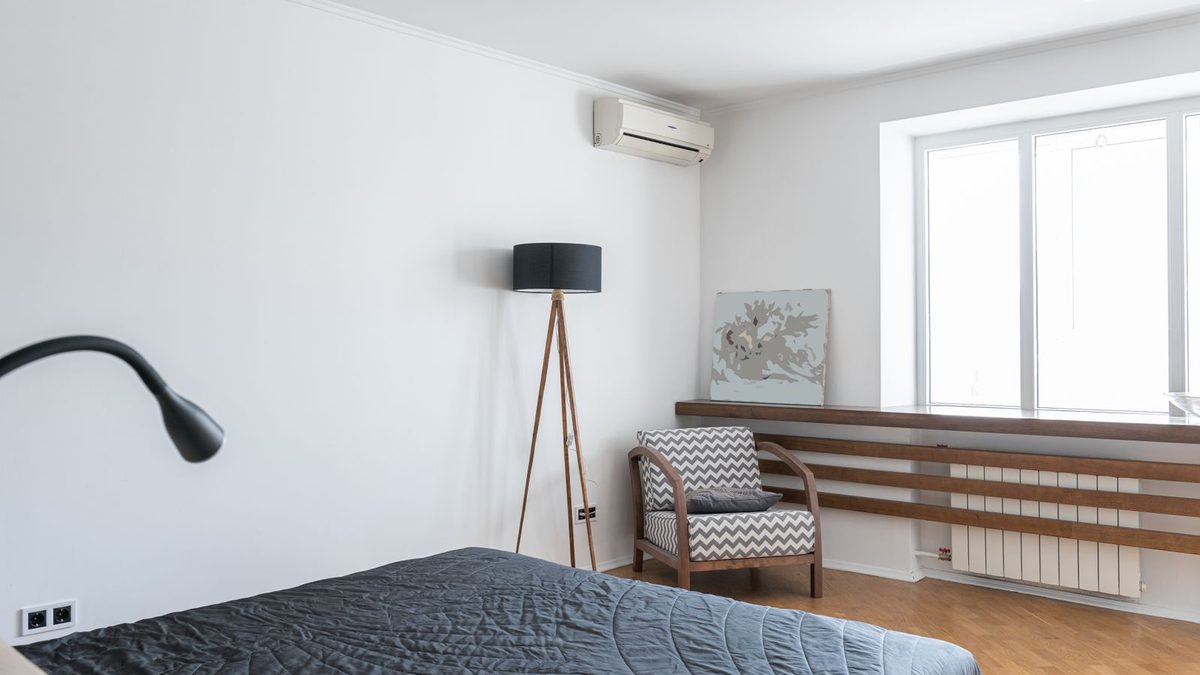
Walk your hand along the wall behind the headboard on a rainy evening and you'll often feel a temperature difference compared to the wall opposite. Exterior-facing bedroom walls in Punggol, particularly those on mid and high floors that catch unobstructed wind off the waterway or the open plots still being developed, lose heat faster after rain. That temperature drop against persistently humid indoor air is the textbook condition for condensation. Add a bed frame pushed flush against the wall - which almost every Punggol master bedroom layout encourages, given how the units are proportioned - and you've created a pocket with no airflow at all. Furniture flush against an exterior wall blocks the slow air exchange that would otherwise let moisture dissipate, and a 5 to 10 centimetre gap between frame and wall is often the single cheapest fix nobody bothers to make.
Bedrooms that share a wall with the bomb shelter make this worse. Punggol flats, like most BTOs built after 1997, come with a household shelter wedged into one bedroom's footprint, and these concrete boxes have essentially zero natural ventilation by design - the door is meant to seal in an emergency, not breathe daily. Moisture that can't escape the shelter often migrates into the adjoining bedroom wall over months, which is why some residents notice mould creeping in from one specific corner of the room rather than appearing evenly across the surface.
The wardrobe test most Punggol residents skip until it's too late
Built-in wardrobes are where Punggol HDB mould in bedrooms tends to do the most damage, because clothes and shoes sit undisturbed for weeks at a time. Leather bags develop a dusty white bloom. Cotton shirts pick up a sour smell that doesn't wash out on the first try. Wooden shelving swells slightly and the doors stop closing flush. If you haven't opened every wardrobe door and pulled items away from the back panel in the last month, that's worth doing this weekend before the next heavy rain spell settles in.
A Punggol-specific weekend routine for bedroom mould control
You don't need to overhaul the room to get ahead of this. A short, consistent routine does more than an occasional deep scrub.
- Pull the bed frame at least 5 to 10 centimetres away from any exterior wall, even if it means losing a bit of floor space elsewhere in the room.
- Open wardrobe doors fully for two hours on dry days, especially after a stretch of rain, so trapped moisture has somewhere to go.
- Wipe down exterior-facing bedroom walls with a dry microfibre cloth weekly during the monsoon months, checking corners and skirting boards where airflow is weakest.
- Run a dehumidifier in the affected bedroom for four to six hours daily, aiming to keep indoor relative humidity below 60 percent rather than relying on the aircon's dry mode alone.
- Check behind and underneath the bomb shelter door monthly if your bedroom shares that wall, since this is the blind spot most households forget entirely.
- Treat any new discolouration immediately with a household mould remover rather than waiting for it to spread, since small patches are far easier to fully lift than established colonies.
A basic compressor dehumidifier running daily costs most households somewhere around 40 dollars a month in electricity, which is a modest trade-off against the cost of professional mould remediation that can run into the hundreds or more once mould has spread into wall cavities or upholstered furniture. If you've already tried the vinegar-and-cloth approach and the patch returns within a couple of weeks, that's usually a sign the humidity problem hasn't actually been addressed, only the visible symptom.
When a DIY wipe-down stops being enough
There's a point where home remedies genuinely can't keep up, and it's worth recognising it rather than repeating the same losing routine. If mould keeps returning to the same spot within days of cleaning, if the smell persists even with windows open and a dehumidifier running, or if the growth has spread across more than a small patch of wall or wardrobe interior, you're dealing with moisture that's settled into the material itself, not just the surface. At that stage, a professional deep clean with the right equipment, including HEPA extraction and hospital-grade antimicrobial treatment, does the lifting that a cloth and a spray bottle simply can't. This is where bringing in a team like MCAAS Solutions makes a real difference, particularly for bedrooms with built-in wardrobes or a shared bomb shelter wall, where the mould is often further along than it looks from the doorway.
What Customers Say
"The team is professional and doing a very good job. They cleaned until you satisfy. Will absolutely recommend my friend the company's service!"
- Duong Nguyen Binh
"Today, Mercy and Sachith help to clean my house for 4 hours. Their job is superb, they are very diligent, details and clean everything nicely. Well done, keep up the great job."
- Lee Fadil
"Positive: Responsiveness, Punctuality, Quality, Professionalism Services: Deep clean, Standard cleaning"
- Louise Dumpleton
"Mr.Ramasamy, Amanpreet, Jashan Mahal, very responsive n fast"
- Pingkwong Ting
FAQs About Punggol HDB Mould in Bedrooms
Why does mould keep appearing in my Punggol bedroom specifically, not the rest of the flat?
Bedrooms with exterior-facing walls near the waterway or open fields lose heat faster after rain, creating condensation against persistently humid indoor air. Bed frames pushed against these walls block airflow, and a shared bomb shelter wall adds another source of trapped moisture.
Is it safe to sleep in a room with visible mould while I sort it out?
Small, contained patches aren't an emergency, but prolonged exposure can aggravate allergies, eczema, or asthma, especially in children. Treat visible growth promptly and improve ventilation rather than waiting for symptoms to force the issue.
Does keeping the bomb shelter door open help with bedroom humidity?
Opening it occasionally for scheduled airflow can help release trapped moisture, but the shelter is designed to seal, not ventilate, so don't rely on an open door as your only control. A dehumidifier in the adjoining bedroom addresses the problem more directly.
How often should I check wardrobes for mould in a humid estate like Punggol?
Once a month is a reasonable baseline, increasing to every two weeks during the November to February monsoon stretch when humidity and rainfall peak.
Will a dehumidifier alone solve the problem permanently?
It significantly reduces the conditions mould needs, but it won't remove mould that's already established in a wall cavity or deep in fabric. Combine it with the weekend routine above and professional treatment for anything beyond a small surface patch.
Can I use bleach directly on a bedroom wall?
It's not recommended on painted plaster or near fabric furnishings, since it can discolour surfaces and doesn't address the underlying moisture. A purpose-made mould remover or professional treatment is safer and more effective long-term.
Conclusion
We at MCAAS Solutions have walked into enough Punggol bedrooms to know the pattern by now - a flat that looks spotless everywhere except for one quiet corner behind the bed, where the damp has been building for weeks before anyone noticed. It's a small thing until it isn't, and nobody wants their child's bedroom to be the room with the problem nobody talks about. If you've spotted the first signs, or you'd rather get ahead of the next monsoon stretch before it starts, reach out and we'll walk you through exactly what needs treating. Contact us at +65 8834 2867, send a quick note on WhatsApp, or visit our spring cleaning service to book a deep clean that actually deals with the moisture, not just the mould you can see.