Deep Cleaning , HDB & Condo Living , Home Maintenance
Singapore Deep Cleaning: The Build-Up Regular Cleans Leave Behind
A family had just collected the keys to a five-year-old HDB flat in Bishan. The previous tenant’s weekly cleaner had kept surfaces looking tidy, yet within seven days the new occupants noticed a faint musty odour returning to the kitchen and fine dust reappearing on the bedside tables. They tried longer sessions with the same mop and spray, but the problem simply shifted to another corner. This pattern repeats across many Singapore homes because ordinary maintenance never reaches the compacted layers of skin cells, cooking aerosols and humidity-reactivated allergens that sit below the visible surface.
Singapore deep cleaning services exist precisely for this gap. Weekly or monthly visits focus on what can be reached without moving appliances or dismantling upholstery. Over months those untouched zones collect a second skin of grime that releases odours and particles the moment humidity climbs back into the 80-84 % range that characterises most months here. The result is air that feels heavier and family members who start sneezing again even though the flat was “just cleaned.”
The difference shows up most clearly in the small operational details: how far behind a fixed kitchen cabinet a tool actually reaches, how long upholstery must stay undisturbed after treatment, and which disinfectant stays effective once the moisture has evaporated. These steps cannot be guessed at on a Saturday morning with a bucket and a sponge.
How residue builds differently in HDB kitchens versus condo bedrooms
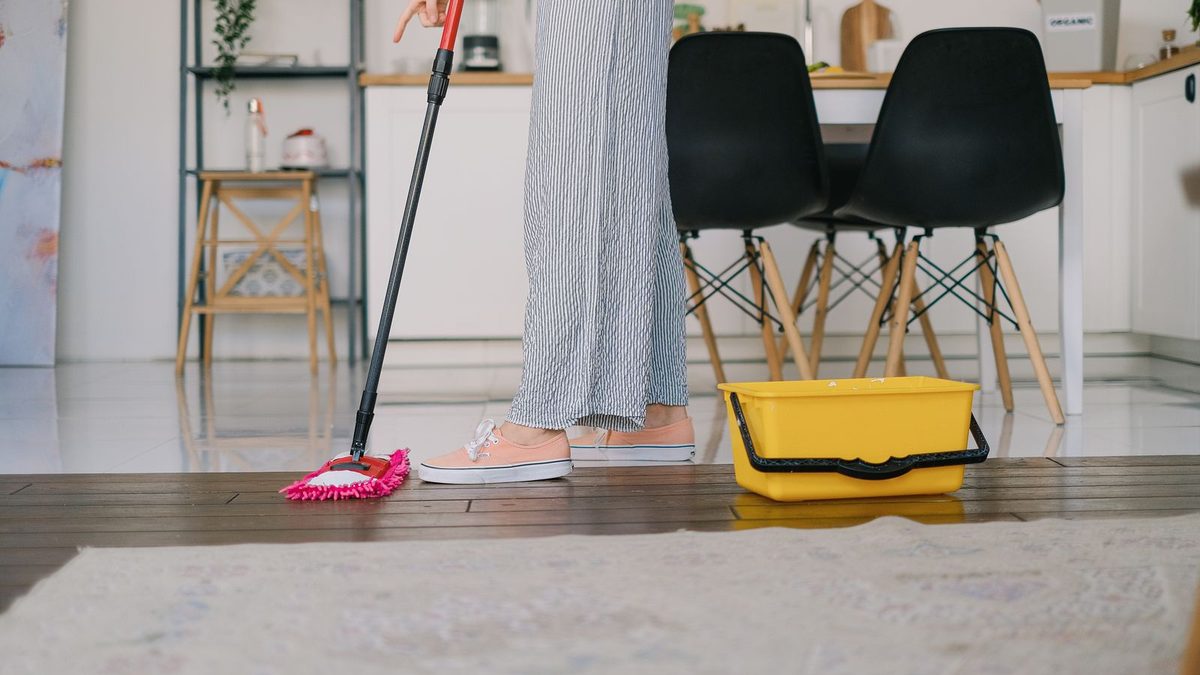
Kitchen cabinets in HDB flats sit against walls that rarely receive direct sunlight. Steam from cooking rises, cools against the underside of the cabinet, and leaves a thin film that hardens into a tacky layer. Over time this film traps more dust and becomes a food source for mites. Standard mops stop at the toe-kick; they never lift the cabinet or clean the wall behind it.
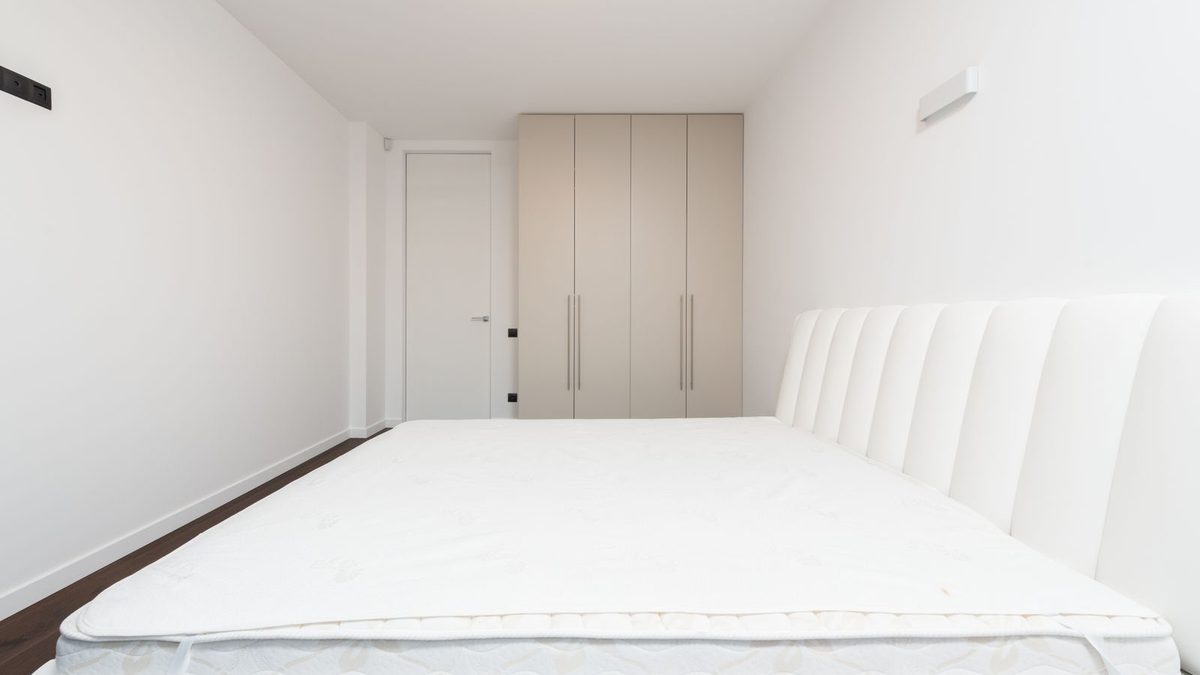
Bedrooms present the opposite problem. Mattresses and upholstered headboards collect skin cells and dust mites that burrow into the fabric weave. A quick vacuum removes surface lint but leaves the deeper fibres untouched. When the air-conditioning cycles on again, the loosened particles circulate through the room within hours. Families often notice the difference first in children’s allergies or in pets that start scratching more frequently.
Consider a three-person household that moved into a 1,100 sq ft condo in Toa Payoh after the previous owners had used the same weekly cleaner for four years. Within ten days the parents noticed their toddler’s nighttime cough returning and a fine grey film settling on the bedroom air-con vents. The regular cleaner had vacuumed the carpet edges and wiped the bedside tables, yet the build-up sat inside the mattress seams and along the fixed wardrobe tracks where skin cells had compacted with humidity. A follow-up session that shifted the bed and used extraction on the mattress reduced the cough episodes within two weeks, but only after the team documented the exact zones that had been missed.
One practical trade-off appears when homeowners attempt to replicate the access themselves. Moving a fixed kitchen cabinet risks damaging the silicone sealant along the wall joint, and without the correct low-residue degreaser the loosened film simply redeposits on adjacent tiles once humidity rises again. The same risk applies in bedrooms: aggressive vacuuming on an older mattress can pull out padding fibres and create permanent depressions that later trap even more dust.
Why product selection and drying time matter more than scrubbing pressure
Stronger elbow grease on a damp cloth simply redistributes moisture into crevices that already sit at the right temperature for mould. Hospital-grade disinfectants used by licensed teams are formulated to penetrate porous surfaces and then evaporate completely. The verification step comes after the product has dried: surfaces are checked with a moisture meter or by touch to confirm no residual dampness remains. In Singapore’s climate that final check prevents the 24-48 hour window in which missed moisture can restart the mould cycle.
Upholstery cleaning follows the same logic. Foam or fabric must be extracted, treated, and then left to dry with fans moving air across every surface. Replacing cushions too early traps moisture against the frame and creates the exact odour homeowners were trying to remove. The process takes planning, not just extra hours on the clock.
A common failure mode occurs when teams or homeowners select a stronger alkaline cleaner to tackle kitchen grease. In 82 % humidity the residue often remains slightly alkaline after rinsing, which then reacts with skin oils tracked in from outside and produces a persistent sour note that returns within 48 hours. The correct approach uses a pH-balanced degreaser followed by a neutral rinse and measured drying time of at least four hours with directed airflow.
Operational data from licensed operators shows that upholstery left to dry for under three hours in an air-conditioned room retains 12-18 % moisture by weight, enough to support bacterial regrowth once the unit cycles off. Teams therefore schedule the drying phase first, using portable fans rated at 2,000 CFM positioned to move air parallel to fabric surfaces rather than directly onto them, which prevents fibre distortion while still achieving full evaporation before furniture is returned to position.
Verification steps that stop problems from returning within days
A systematic deep clean includes disassembly where possible, zoned product application, and a final walkthrough that checks air quality by smell and sight rather than by checklist alone. NEA-licensed and WSQ-certified teams follow documented sequences that record which areas received which treatment and how long each section was left to dry. Homeowners who attempt the same work themselves often skip the drying log because the flat looks clean at the end of the day. Two days later the humidity reactivates whatever was left behind.
The operational burden is real. It requires equipment that fits into tight gaps, products matched to different materials, and the discipline to wait before the home is declared finished. That combination is difficult to maintain alongside work and school schedules.
One concrete verification sequence used by certified crews runs as follows: after extraction, a moisture meter reading is taken at three points per room; any reading above 12 % triggers an additional 90-minute fan cycle. The team then performs a blind smell test with the air-conditioning off for 30 minutes to detect any musty return before signing off. This step catches the 15-20 % of jobs where surface dryness masks deeper dampness in mattress cores or behind toe-kicks.
A further hidden cost appears when verification is skipped: repeated surface treatments without full extraction gradually build a film of dried disinfectant that attracts new dust, shortening the interval before the next visible build-up. Documented processes reduce this recurrence rate by requiring photographic evidence of each treated zone before the team leaves site.
What Customers Say
“Positive: Responsiveness, Punctuality, Quality, Professionalism, Value Services: Deep clean, Office & workplace cleaning”
— Radika M
“They did a good job ahead and they has good supervisor by the name Suria..She is good in cleaning.They scrab the floor and wall for the whole house.The toilet is awesome..Overall is very awesome job by the Company Cleaning. … More”
— Ayu Syahwal
“The team is professional and doing a very good job. They cleaned until you satisfy. Will absolutely recommend my friend the company’s service!”
— Duong Nguyen Binh
“I have Simran & Nan cleaned my one bedroom apartment. Communication is great with both of them, and they completed the work in less than 4 hours too. Smooth communication with their bosses too. Highly recommend their service.”
— eda coupe
FAQs About Singapore Deep Cleaning Services
How often should a Singapore household book deep cleaning services?
Most families find that two thorough sessions a year keep the layered build-up from becoming noticeable again, especially in flats older than three years where previous tenants have left settled residue.
Can regular cleaners simply spend more time and achieve the same result?
Extra time helps only if the team has the right tools and access. Without disassembly and targeted extraction, additional hours still leave the same inaccessible zones untouched.
Will a deep clean remove odours permanently?
Odours disappear when the source layers are removed and surfaces are left dry. Reappearance usually traces back to missed moisture or to new cooking residue that settles after the clean.
Is it safe to stay in the home during the process?
Teams using family- and pet-safe products allow residents to remain, though some prefer to step out while upholstery dries to avoid any temporary dampness.
What happens if mould appears again within a week?
Reputable providers offer a re-clean guarantee because they document drying times and product application. The guarantee covers areas that were treated but failed to stay dry due to execution gaps.
Do deep cleaning services cover both HDB and condo layouts?
Yes. The same principles apply, though condo layouts often require extra attention to balcony sliding doors and built-in wardrobes that trap humidity differently from HDB designs.
Conclusion
We at MCAAS Solutions have watched the same pattern play out in hundreds of homes: the visible clean finishes quickly, yet the hidden layers decide whether the result lasts. Our certified teams handle the disassembly, product matching, and drying verification so the work does not fall back on you. If you have already noticed recurring dust or odours after a regular clean, book a consultation this month and let us assess the specific build-up in your layout. Reach us on WhatsApp.