Home Maintenance , Cleaning Tips
Tampines ceiling fan cleaning: the blade dust nobody checks
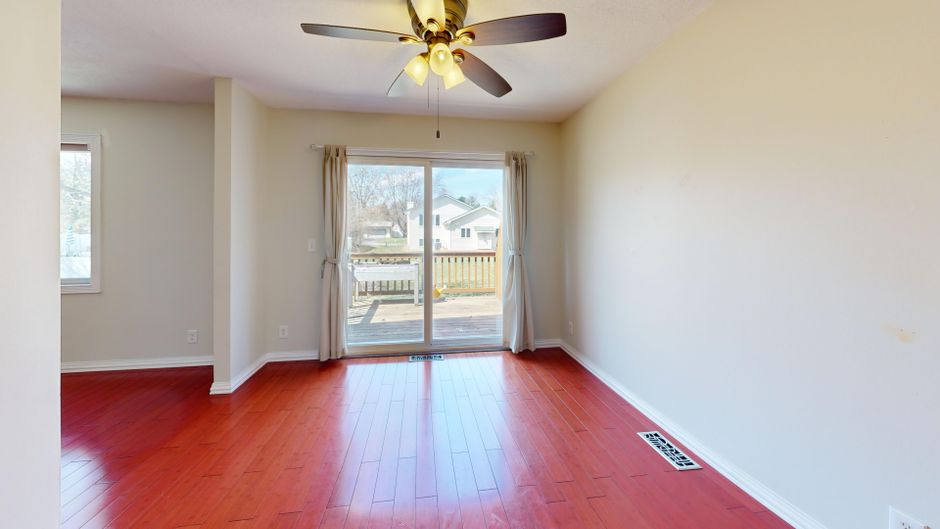
A ceiling fan blade looks spotless from the floor, which is exactly the problem in most Tampines bedrooms. Stand on a dining chair and run a finger along the top edge of the blade and you'll usually find a grey-brown crust, sometimes thick enough to peel off in one strip. It isn't ordinary household dust. It's dust that's spent weeks in 80 to 84 percent humidity, picked up a faint film of cooking oil drifting over from the kitchen, and been compacted by a fan that's spun on low speed almost every night since the flat was renovated. Tampines ceiling fan cleaning keeps turning up as a search term for a simple reason: the mess hides in plain sight, thirty-odd centimetres above eye level, completely invisible from the bedroom doorway until something disturbs it.
Tampines is one of Singapore's older mature estates, and a lot of the four-room and five-room flats here still have the original ceiling fan fitted decades ago, running alongside a newer split-unit aircon rather than replaced by it. Families keep the fan going on nights when the aircon feels too cold, or to push air around a room during the hotter stretches of the year. That near-constant use is exactly why the blades need more attention than a once-a-year wipe, and exactly why they so rarely get it. Nobody wants to drag a ladder out for a job that takes ten minutes but feels like it'll take an hour. The result sits directly above where you sleep, and every time the fan spins back up after being switched off, a fine layer of that crust gets flicked onto the pillow, the headboard, and the floor beneath it. For households with young kids, older parents, or anyone with a dust mite allergy, that's not a cosmetic issue. It's an air quality one, running on a loop every single night.
This piece walks through why the dust on a Tampines ceiling fan behaves differently from dust anywhere else in the flat, why the cleaners most people hire routinely skip it, and what a proper weekend reset actually involves.
Why the blade above your bed collects more than ordinary dust
Dust in a Tampines flat isn't static. Open a window near Tampines Avenue 10 or anywhere close to the expressway on a dry afternoon and fine particulate drifts in with the breeze, settling on every horizontal surface including the top of a fan blade spinning slowly overhead. Combine that with the humidity that never really drops below 70 percent indoors, and the dust doesn't just sit there, it clumps. Moisture in the air acts almost like glue, binding loose fibres and grease into the dense crust you find when you finally get up close. Open-concept kitchens, common in renovated Tampines flats, make this worse. Cooking oil carried on steam travels further than people expect, and a fan running during dinner prep pulls some of that oil mist straight onto its own blades.
None of this is visible from below. A ceiling fan can look perfectly clean under normal room lighting while the top surface, the one you never see unless you're standing directly underneath with a torch, is doing the real damage. Indoor air in a poorly maintained home can run two to five times more polluted than the air outside, and a dirty fan blade is one of the quieter contributors to that gap, pushing allergens into the air every time it's switched on rather than filtering them out.

Why the cleaner you booked last month skipped the blade entirely
If you've hired a part-time cleaner or booked through a platform before, there's a decent chance the ceiling fan simply wasn't touched, and it probably wasn't an oversight. Many platforms and agencies explicitly restrict cleaners from climbing more than two steps on a ladder, which rules out most Tampines flats where the fan sits above a nine-foot ceiling. It's a liability call on their end, and a reasonable one, but it leaves homeowners with a real gap in what "cleaning" actually covers. Customers have pointed this out often enough that it's become a recognisable complaint: a crew finishes a session, the floor shines, the bathroom sparkles, and then someone glances up and notices the ceiling fan and the light fitting were never touched at all.
This is worth checking before you book anyone, not after. Ask directly whether the ceiling fan, the blades, and the light kit grooves are included in the written scope, and whether the crew brings an extendable tool suited to a high ceiling rather than relying on whatever ladder happens to be lying around the unit. A team that's used to Tampines ceilings will usually have an answer ready, because they've run into the two-step ladder limit before and built a workaround into how they operate.
A 45-minute ceiling fan reset you can run this weekend
You don't need professional equipment to get most of the crust off, just the right order of steps and a bit of patience with the first blade, which is always the dirtiest one.
- Switch the fan off at the wall and wait for the blades to come to a complete stop before you touch anything, since a half-moving blade will fling dust straight into your face.
- Lay an old bedsheet or towel across the bed and any furniture directly underneath the fan, because a surprising amount of debris falls during the cleaning itself.
- Slip an old pillowcase over the first blade so the fabric wraps around both the top and bottom surfaces, then pull it slowly towards the tip of the blade so the dust gets trapped inside the pillowcase rather than scattering across the room.
- Repeat the pillowcase pass on every blade, flipping the pillowcase or using a fresh one once it's visibly loaded, usually after the second or third blade.
- For the fine residue left behind, follow up with a damp microfiber cloth on an extendable duster handle, wiping each blade top and bottom in a single smooth motion rather than scrubbing back and forth.
- Check the light kit housing and the pull chain mechanism separately, since dust tends to settle into the grooves and screw fittings that a flat cloth can't reach.
- If the fan has a protective grille or mesh guard, use a vacuum fitted with a soft brush attachment rather than a wet cloth, since caked mesh responds better to suction than to wiping.
- Wipe down the wall and mirror surfaces below the fan once you're done, as a final pass catches anything that drifted sideways during the cleaning.
- Switch the fan back on for a minute at low speed to shake loose any last fibres, then do one more quick wipe once it's stopped.
Done properly, this takes under an hour even for a fan that hasn't been touched in a year. The hard part isn't the technique, it's remembering to schedule it at all, which is where a lot of Tampines households end up folding it into a broader seasonal reset rather than trying to remember a standalone date. A team that already understands which high-ceiling fittings in a Tampines flat get missed can fold this into a wider spring cleaning visit without you needing to drag out a ladder yourself.
What two months without a wipe does to the air in that room
Skip the fan for long enough and the effects aren't abstract. A whole-home allergen case study on a four-room flat found that a thorough clean cut overall allergen levels by roughly 30 percent, with dust mite counts in bedding falling around 68 percent and bedroom allergen levels dropping by over half. A fan that's left to run unchecked for months works against every bit of that progress, because it's one of the few fittings in the room that actively circulates whatever has settled on it rather than letting it stay put. Dust mites, which thrive year-round in Singapore's humidity regardless of season, feed off exactly the kind of organic debris that builds up in that blade crust. For anyone who wakes up with a blocked nose that clears within an hour of leaving the bedroom, the fan directly overhead is worth checking before anything else in the flat.
What Customers Say
"I recently gotten MCAAS Solutions Pte Ltd for a deep cleaning of my place, and I was thoroughly impressed with their professionalism and attention to details. I booked a deep cleaning for 1-bedroom, 1-bathroom apartment, which had not been professionally cleaned thoroughly. The team arrived right on time and were extremely courteous and professional."
- Valerie Oon
"Suria was fantastic and thoroughly cleaned my house. Extremely professional and paid attention to detail. Positive: Responsiveness, Punctuality, Quality, Professionalism, Value Services: Deep clean, Interior & exterior window cleaning"
- Sivaram Parameswaran
"Great service by MCAAS. Due to the recent raining season have to postpone the cleaning date but Mr Gill was patience and polite in my request. On actual day, jashan mahal arrive on time and was very detail and professional in the cleaning services. Will engage MCAAS solutions again."
- Pris Teo
"Suria and her team are phenomenal and very meticulous, my apartment is cleaned so thoroughly, it is dust free and spotless from top to bottom including interior of cabinets."
- Stella F
FAQs About Tampines Ceiling Fan Cleaning
How often should a ceiling fan be cleaned in a Tampines flat?
Once every four to six weeks if the fan runs nightly, which is typical in flats where it supplements or replaces aircon use. Humidity speeds up how quickly dust compacts, so a schedule that works for a drier climate usually isn't frequent enough here.
Can I just use water on the blades?
A lightly damp cloth is fine for the final pass, but soaking the blades isn't necessary and can leave streaks or drip onto the motor housing. The pillowcase trick followed by a barely damp microfiber cloth handles most of the buildup without any moisture risk.
Why does the dust on my fan look sticky rather than powdery?
That stickiness usually comes from a combination of humidity and airborne cooking oil, especially in open-concept kitchens where cooking steam travels into the living or bedroom area. A dry cloth alone often won't shift it, which is why the pillowcase and damp wipe combination works better.
Is it safe to climb a ladder myself to reach a high Tampines ceiling?
An extendable duster handle removes most of the need to climb at all, and it's the safer option for a single-person job. If the fan or fitting itself needs closer inspection, it's worth having a second person hold the ladder steady rather than attempting it alone.
Do professional cleaning packages usually include the ceiling fan?
Not always, and it's worth confirming in writing before you book. Many part-time and platform bookings exclude ladder work above a certain height, so ask specifically whether blades, light fittings, and grooves are part of the agreed scope.
Does a dirty ceiling fan actually affect the air quality in the room?
Yes. A fan that's running pushes whatever has settled on its blades back into the air you're breathing, which matters more in a bedroom where you spend six to eight hours a night directly underneath it.
What's the fastest way to clean a fan without buying any special tool?
The pillowcase method is the quickest no-equipment option. It traps dust instead of scattering it, and most households already have a spare pillowcase on hand.
Conclusion
We at MCAAS Solutions know how easy it is to clean every surface you can see at eye level and still have a flat that smells faintly dusty by the second week, because the fan overhead has been doing the opposite of its job. It's a small fitting with an outsized effect on the air in a bedroom, and it's one of the first things we check when we walk through a Tampines flat for a full reset. If your own weekend attempt at the blades keeps getting postponed, or you'd rather have a trained team handle the ceiling fan alongside the rest of a seasonal deep clean, reach out and we'll fold it into the visit. Contact us at +65 8834 2867, send a quick note on WhatsApp, or visit our spring cleaning service to get a written quote for a Tampines flat that includes everything above eye level, not just everything below it.