
Humidity & Mould , Home Maintenance
What fridge door gaskets trap that weekend wipes never reach
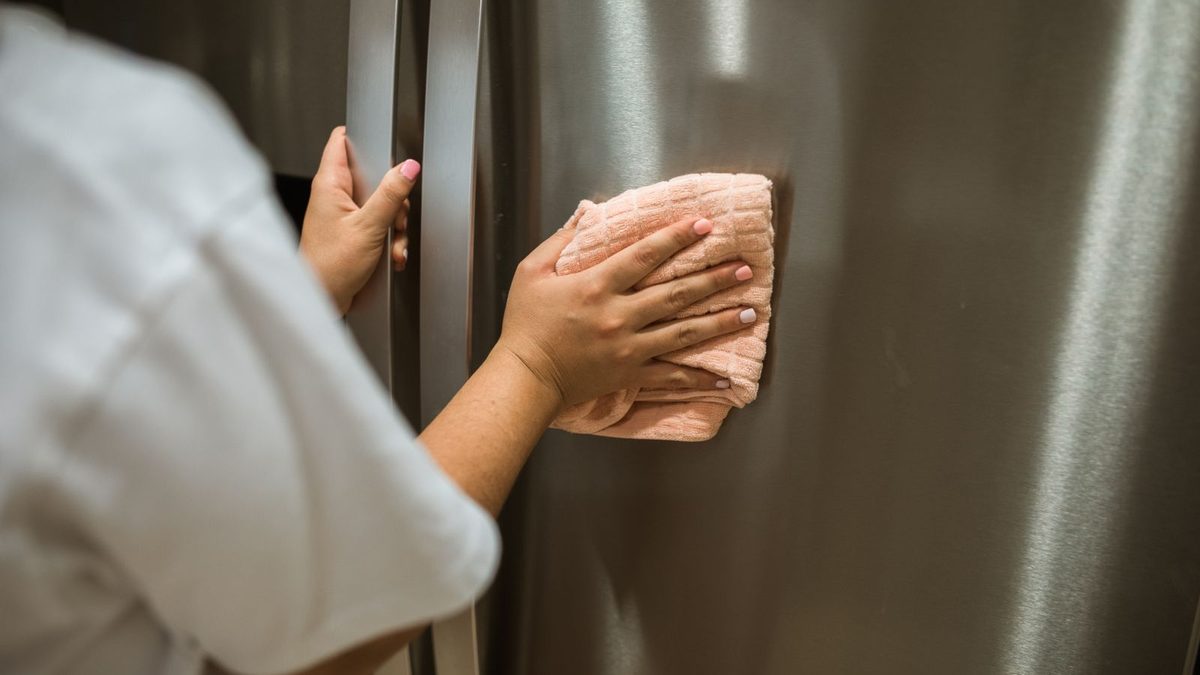
You pull the fridge door open for milk and your thumb lands on a soft black pin-dot along the rubber edge. It was not there last Sunday. You wiped it then with a kitchen spray and a damp cloth. The line looked clean. Two monsoon-damp evenings later, the speckles are back, mostly in the bottom corner and along the hinge side, and there is a faint sour note when the door first swings open. That is fridge seal mould Singapore households keep fighting, and it is almost never a "you are messy" story. It is a closed rubber channel story.
A fridge gasket is not a flat strip. It is an accordion of folds with a magnet channel, outer lips, and tight corners that sit against cold metal while warm, humid kitchen air hits them every time someone reaches for leftovers. Condensation beads inside those folds. Sauce film, juice drips, and milk residue ride the door shelves and migrate into the same channel. In 80-84% ambient humidity, that rubber stays damp long after the countertops feel dry. Surface wipes only skim the visible face. They leave the inner lips, the magnet strip edge, and the mating frame on the fridge body untouched, which is exactly where mould seeds stay protected.
Busy dual-income flats make the cycle worse. Doors open and close all evening. Freestanding fridges sit tight against a wall or kickboard in compact HDB and condo kitchens, so airflow under and behind the cabinet is weak. Dust under the base holds moisture. A quick weekend pass looks responsible until the black line returns, and then the worry shifts: food safety, kids touching the seal, pets sniffing the base, or an agent photographing the appliance during a handover and flagging "superficial clean" details while the counters look fine.
This piece walks the geometry of that trap, why bleach-and-hope fails on soft rubber, the full sequence that actually resets a gasket, and when the seal is only one symptom of a kitchen that needs a deeper humidity-aware clean. You will leave with a checklist you can run this week, clearer habits that cut re-seeding, and a realistic sense of when DIY stops lasting.
Why the gasket holds moisture the cloth never sees
Press a clean fingernail into one of the soft folds halfway up the door. That crease is a miniature gutter. Warm room air meets the chilled seal dozens of times a day. Water condenses, runs toward the lowest corner, and sits against rubber that does not breathe like fabric. Food film from sticky bottles and fruit drawers rides the door liner and lodges where fingers cannot reach without spreading the gasket open deliberately.
The magnet strip edge is another blind spot. Flood that channel with too much liquid and you risk soft, waterlogged rubber and residue trapped against the strip. Wipe only the outer face and the mating surface on the fridge body still carries a grey film that re-seeds the door the moment it closes. Hinge-side and bottom corners collect the worst of it because gravity and the swing path leave them wetter for longer.
Singapore kitchens feed the pattern. Monsoon stretches raise ambient moisture. Tight layouts leave little clearance behind freestanding units. Door open-close cycles never stop in family homes. The result is not dramatic green growth overnight. It is pin-dots that return days after a wipe, sometimes with a musty smell on first open. Treating that as a "dirty kitchen personality" problem misses the system: rubber geometry plus humidity plus residue plus incomplete drying.
Landlords and incoming tenants notice seals even when worktops shine. Agents who walk appliances will run a finger along the gasket and the lower frame. A black line there reads as skipped detail, the same way greasy hood mesh and grimy window tracks do. If you are photographing a fridge before handover, that edge is one of the first honest shots of how deep the last clean went.
What a weekend wipe leaves behind (and why bleach rebounds on rubber)
The casual attempt is familiar. Multipurpose spray on the visible black bits. A few swipes. Door closed. Hands washed. For a day or two the rubber looks acceptable. Then humidity climbs again, the folds stay soft and damp, and the speckles reappear because the colony never left the inner channel.
Over-wetting makes it worse. Bleach or harsh kitchen chemicals left on soft rubber can leave the seal tacky, incompletely rinsed, and more likely to hold moisture. Incomplete drying is the quiet failure mode in humid flats: the kitchen "feels dry," yet the gasket still holds water in the folds for hours. Mould does not need a dirty floor. It needs a protected damp pocket and a little organic film.
Proper work is slower and more mechanical. You open each fold along the full perimeter, including the top edge people ignore. You clean the outer face, then the inner lips, then carefully treat the channel without flooding the magnet strip. You wipe the matching frame on the cabinet body. You rinse if the product requires it. You dry with cloths until the rubber feels dry to the touch, and you leave the door ajar briefly only if it is safe and the kitchen is supervised. You also check under-fridge dust and the nearby kickboard, because moisture and grime there keep feeding the edge.
Product choice matters for family and pet homes. Harsh residue on a surface kids touch when grabbing drinks is a real concern. Hospital-grade disinfection protocols used by trained residential teams are built for efficacy without treating the kitchen like a construction site. When the seal is one symptom among sticky kickboards, greasy side panels, and dusty base voids, a full kitchen pass under a structured spring cleaning service is often what finally breaks the weekly rebound, not another half-hour Saturday with the same spray bottle.
A full-perimeter fridge gasket reset you can run this week
Block a quiet stretch when the fridge is not in heavy use. You are aiming for technique and drying discipline, not speed.
- Empty the door shelves that block access so you can open the gasket fully without fighting bottles and jars.
- Inspect the full perimeter in good light: outer face, top edge, hinge side, bottom corners, and the mating frame on the fridge body.
- Clean the outer face first with a rubber-safe cleaner and a soft cloth so loose film does not smear deeper into the folds.
- Open each fold gently along the whole length. Work the inner lips and corner pockets without yanking or twisting the rubber out of shape.
- Treat the inner channel carefully. Use a damp cloth or a soft brush that fits the gap. Avoid pouring liquid into the magnet strip area.
- Wipe the matching surface on the cabinet body where the seal seats. That strip re-seeds the door every close if you skip it.
- Rinse or wipe away product residue if the label requires it so nothing sticky remains on the rubber.
- Dry thoroughly with clean cloths until the gasket feels dry, not cool-damp. If it is safe, leave the door slightly ajar for a short supervised period so air can move through the folds.
- Vacuum or wipe under the fridge and along the kickboard. Dust cakes there hold moisture against the base and lower seal.
- Reset storage habits that drip on the seal: wipe bottle bases before they go back on the door, keep sticky sauces in sealed containers, and catch spills on the door liner the same day.
- Re-check after about 48 hours of humid weather. If pin-dots return in the same corners, the channel was not fully dried or the surrounding moisture load is still high.
That sequence is the gap between "I wiped the black bits" and "I worked the system." It is also where many people realise the job is fiddly, time-consuming, and easy to under-dry in a Singapore flat. If the same corners rebound after a careful reset, the issue is rarely one missed swipe. It is kitchen humidity, appliance base grime, and residual film working together.
When the seal is a symptom of a kitchen that needs a deeper reset
DIY is enough when the growth is light, the rubber is intact, you can dry fully, and the rest of the kitchen base is reasonably clean. DIY hits a wall when speckles return within days despite fold-by-fold work, when the smell on opening the door lingers, when under-fridge dust is heavy, or when you are prepping for a landlord or agent walk-through and every appliance edge will be photographed.
A professional residential deep clean that already covers kitchens end-to-end treats the gasket as part of a wider pass: appliance edges, kickboards, high-touch handles, and the humidity-fed film weekend routines skip. Trained teams can reach the awkward geometry without treating rubber like hard tile. For many homes, tying that work into a planned home spring cleaning visit is more sensible than burning another Saturday on the same black line.
You do not need a rigid calendar of Monday wipe, Wednesday check. You need honest inspection after humid stretches, drying discipline after every seal clean, and the judgment to escalate when the moisture cycle is larger than one rubber strip.
What Customers Say
"Thank you to Arun and Team 👍 Engaged them for cleaning services and they were very detailed to every spot. Also appreciate their patience when doing checks before handing over. Would recommend their cleaning services. Thank you 😊"
- Esther Ng
"First time trying professional spring cleaning for CNY. Suria and team did a very good job in ensuring all the corners and unreachable places are clean. All my windows, blinds, toilet and kitchen is super clean now. Going to have a good time having family and friends over for CNY. Thank you for the help!"
- Lai Cheng Lum
"Multiple cleaning services offered. Engaged both their house cleaning as well as upholstery cleaning. Ram and Jashan are very efficient and meticulous with their cleaning."
- Kim Hong Ng
"Very friendly Munisha and team helped us cleaning the house. They are very professional and kind. Communication was very smooth! We would like to call them again next time!"
- SH KIM
Fridge Seal Mould: Frequently Asked Questions
Why does fridge seal mould keep coming back after I wipe it?
Most wipes only hit the outer face. Condensation, food film, and mould stay inside the accordion folds and against the mating frame. High humidity keeps the rubber damp, so growth reappears within days.
Is fridge gasket mould a food safety risk?
Any mould on a surface that meets the door path and gets touched when you open the fridge is worth removing properly. Clean the full channel, dry it, and keep bottle bases and door liners free of sticky residue so you are not re-seeding the seal.
Can I use bleach on the rubber seal?
Harsh, over-wet bleach routines often leave rubber damp, incompletely rinsed, and more likely to rebound. Prefer rubber-safe cleaners, work fold by fold, rinse if required, and prioritise full drying over aggressive soaking.
How long should I leave the fridge door open after cleaning the gasket?
Only briefly, and only if it is safe and supervised. The goal is airflow through the folds until the rubber feels dry. Do not leave food at risk or the door propped in a busy kitchen for long periods.
Do agents really check fridge seals at handover?
Yes. Seals, fridge edges, hood mesh, and tracks are classic "detail" checks. Clean counters with a mouldy gasket still read as a superficial clean and can create friction on deposit discussions.
When should I stop DIY and book a professional kitchen clean?
When pin-dots return after a careful full-perimeter reset, when under-fridge grime and kickboard dust are heavy, or when you need inspection-ready results across the whole kitchen rather than one appliance edge.
Does cleaning under the fridge really matter for the seal?
It does. Dust and moisture under freestanding units sit against the lower gasket zone. Clearing that base reduces the damp load that keeps bottom-corner mould returning.
Conclusion
We at MCAAS Solutions know how demoralising it is to watch the same black pin-dots climb back into a fridge gasket after a honest weekend wipe. That rubber edge is a humidity trap, not a housekeeping failure, and it deserves fold-by-fold work, proper drying, and a kitchen base that is not quietly feeding moisture back into the seal.
Run the full-perimeter reset once with real drying time, then watch the corners after the next humid stretch. If the line still returns, or the whole kitchen edge feels like more than one gasket, our NEA-licensed, WSQ-certified teams already handle those appliance details with hospital-grade yet family- and pet-safe products, background-checked crews, and a 100% satisfaction re-clean guarantee backed by a 4.9 rating from 382+ verified Google reviews.
Contact us on WhatsApp or visit our spring cleaning service when you want the gasket-level and kitchen humidity work done properly, not just wiped for a day.