Home Maintenance , HDB & Condo Living
What your HDB window tracks trap during the northeast monsoo
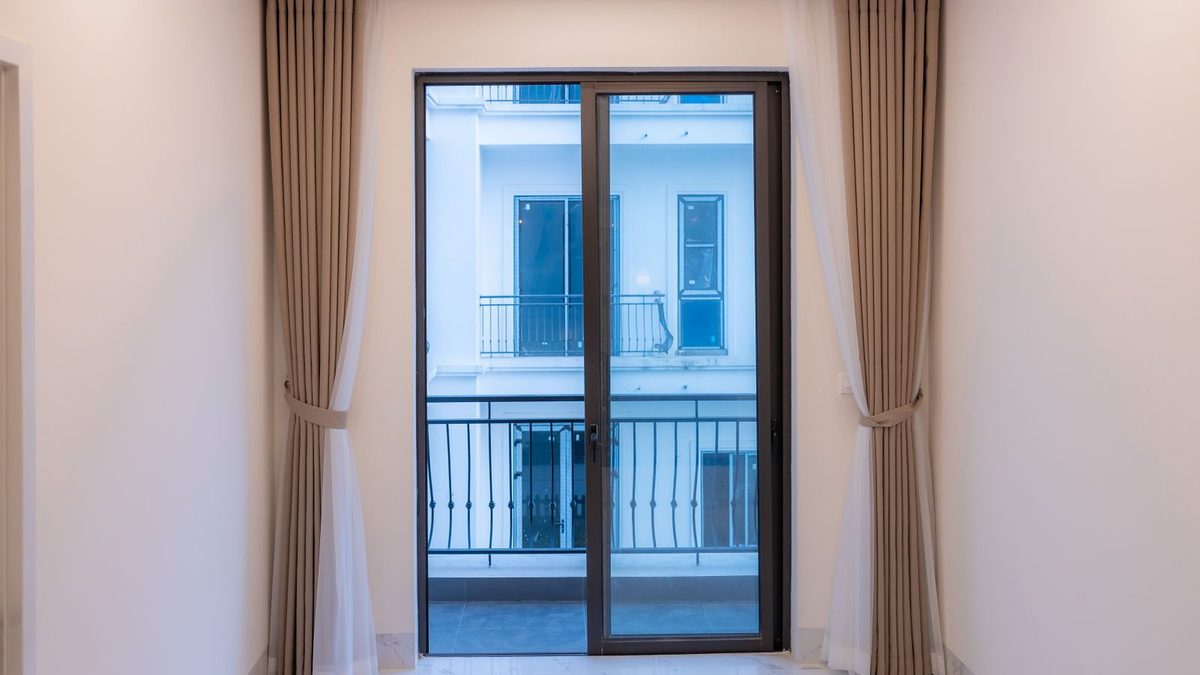
After two straight weeks of northeast monsoon rain, the living-room slider in a typical 4-room flat does not glide. It scrapes. You force it open for air after the downpour, run a fingertip along the lower aluminium channel, and pull back a black, wet grit that looks nothing like ordinary house dust. The glass still looks fine. You wiped it last Sunday. The sill looks acceptable too. The track does not. Water is still sitting in the trough the morning after the storm, and the pane catches on something you cannot see without crouching.
That is window track dirt HDB monsoon season actually leaves behind. Wind-driven rain does not only wet the pane. It force-feeds fine grit, leaf mulch from common greenery, corridor dust, and nearby construction fines straight into the narrow aluminium channels of HDB sliding frames. Most weekend cleans stop at glass and sill. The channel keeps filling. Drainage holes clog. Residue stays damp in 80-84% humidity. Within days the slider binds again, and the next wet spell reloads whatever you only half-cleared.
Residents judge windows by what they can see from standing height. The dirtiest work sits in the lower profile, under the rubber stops, and inside the tiny weep holes that are supposed to let rain exit. When those holes pack with slurry, water has nowhere useful to go. It pools. Grit turns to black organic sludge. Insects and mould get a foothold in residual moisture. On the next heavy band of rain, dirty water can back toward the interior sill instead of draining out. Corridor-facing windows pick up a different mix of dust than rain-facing elevations, but both end up with the same trough problem once the northeast monsoon settles in for multi-day stretches.
A casual wipe from above often packs grit into the corners rather than removing it. Proper track work is a sequence: inspect after rain, vacuum loose material, lift or remove the sliding pane when the frame allows and it is safe to do so, clear the channel end to end, free the weep holes, dry the metal before reassembly, then recheck after the next storm. That is more labour and more frequency than most busy households budget for between wet spells. This article walks through what the channels trap, why surface passes rebound so fast, a checklist you can run this week, and when handing the track-level detail to a thorough residential crew becomes the sensible reset rather than another half-job.
What actually packs an HDB aluminium channel in monsoon weeks
HDB sliding windows sit in extruded aluminium tracks with a defined depth, corner returns, end caps, and rubber stops. The lower channel is a continuous trough. Fine particles wash or blow in, then settle where your cloth rarely reaches. Northeast monsoon weather adds wind-driven rain that hits rain-facing elevations harder, so slurry forms faster on those sides of the block. Corridor-facing panes still collect dust from shared walkways, shoe traffic, and open common areas. Nearby worksites add construction fines. Trees and planters drop leaf fragments that break down into a wet mulch once they sit in standing water.
Humidity does the rest. Outdoor relative humidity in Singapore averages around 84% and regularly climbs above 85% during sustained monsoon stretches. Residue in a metal trough does not dry the way a floor dries after mopping. It stays tacky. Organic matter and grit bind into a dark paste. That is the black line on your fingertip after you “already cleaned the windows.” The pane can look clear while the track is holding a week of monsoon load.
Weep holes are the quiet failure point. They are small by design. Fine grit clogs them quickly. Once drainage is blocked, every subsequent shower adds water that cannot exit cleanly. Puddles sit overnight. The next morning the channel still holds dirty water, the slider scrapes on compacted grit, and any attempt to force the pane risks scratching the aluminium or pinching the seal. Multi-panel living-room and bedroom sliders make this worse because weight and frame stiffness discourage casual disassembly. High floors add awkward handling. Limited dry windows between storms shrink the time you have to finish a full clear before the weather reloads the trough.
Surface wiping fails for a simple geometric reason. Wiping from above pushes loose material into corners and under stops. Without lifting the sliding section, you never see the full length of the channel or the holes at the ends. A flat that looks acceptable after a weekend clean can still scrape every time someone opens a window for air after rain. That gap between “glass looks clean” and “track still holds monsoon sludge” is exactly what keeps the problem on a short loop through November to early-year wet spells and any other heavy rain stretch.
Why a glass-and-sill wipe rebounds within days
Busy households often spare twenty minutes for windows: spray the pane, wipe the visible sill, move on. That is rational when energy is limited. It is also incomplete for aluminium tracks under monsoon pressure. Packing grit into corners leaves a starter layer. Humidity keeps that layer wet. The next wind-driven rain adds fresh fines on top. Within a few days the scrape returns, or a fingertip test shows the same black residue.
Drying time matters more than people expect. If you wet-agitate a channel and reassemble the pane while metal is still damp, residual moisture sits in a low-airflow trough. Mould risk rises when indoor humidity stays elevated and surfaces do not dry. Leaving windows cracked for airflow helps the room, yet rain-facing openings can also admit more grit during active storms. You are managing a trade-off, not a one-rag chore.
There is also a safety and effort ceiling. Heavy multi-panel sliders are awkward to lift correctly. Wrong technique can twist rollers, damage seals, or drop a pane. Stiff older frames fight you. If you only free one end of the channel and leave slurry under a stop at the other end, the slider still binds. That is why monsoon track grime feels structural and recurring rather than like ordinary dusting. It is a profile problem plus weather reload, not a motivation problem.
When the scrape returns every wet week, or water still sits in the track the morning after a storm despite your wipe, the gap between casual work and a full reset is no longer theoretical. A scheduled deep or spring-style clean that includes real track work - pane handling, end-to-end channel clear, weep-hole attention, dry-down - is how many dual-income HDB homes stop spending every rainy Sunday on the same incomplete pass. Teams that already treat frames as highest-impact zones, not an afterthought, close that gap without you balancing a heavy pane alone on a humid evening.
A monsoon track reset you can run between storms
Use this ordered sequence when you have a drier window after heavy rain. Stop if a pane feels unsafe to lift, the frame is damaged, or rollers stick badly enough that force would be needed. Those cases belong with experienced hands and proper equipment.
- Open each sliding window after rain and inspect the lower tracks in good light. Note standing water, black grit lines, leaf fragments, and any corner where slurry has packed under rubber stops.
- Vacuum loose grit with a crevice tool along the full visible length of the channel before you add liquid. Dry removal first reduces the muddy smear you will otherwise spread.
- If your frame type allows and you can do it safely, lift or tilt the moving pane the way your frame type allows - most HDB aluminium sliders lift straight up then angle out at the bottom so the full trough is open. Support the weight; do not twist the glass in the frame.
- Wet-agitate the channels with a mild cleaner suitable for aluminium. Work end to end, including corners and under stops. Avoid harsh abrasives that scratch the profile or leave grit of their own.
- Clear weep and drainage holes carefully with a soft non-metal probe or a tool that will not enlarge or score the hole. Confirm water can exit rather than sit.
- Wipe the metal dry as far as humidity allows. Check free movement of the pane through its full travel. Listen for scrape and feel for catch points you missed.
- Recheck after the next storm. Monsoon weeks reload channels fast. A follow-up pass on rain-facing elevations is normal, not a sign you failed the first time.
That checklist is honest about labour. It is not a two-minute wipe. If your flat has many sliders, stiff frames, or you only get short dry gaps between bands of rain, expect the job to spill across more than one session. Prioritise rooms you open daily for ventilation. Leave rarely opened panes for a fuller reset when you can strip them properly.
Products matter less than sequence and drying. Family- and pet-safe cleaners are enough for ordinary monsoon grit when contact time and mechanical clear do the work. The unfinished detail is almost always corners, holes, and moisture left in the trough. If black residue returns within days despite a careful pass, look again at drainage and at whether the pane was truly lifted far enough to open the whole channel.
When DIY track work stops matching the weather
DIY still makes sense for light grit between storms and for households that can safely handle single lighter panes. It stops being a fair use of a weekend when several conditions stack: multi-panel heavy sliders, high-floor awkward handling, continuous multi-day wet spells with almost no dry-down time, or tracks so packed that water backs indoors. Joint issues or limited strength make pane lifting a real risk, not a pride point.
At that stage, booking a residential team that already lifts panes, clears channels, and treats monsoon residue inside a full home reset is practical time arithmetic. You are not hiring someone to wipe glass you can reach. You are buying the track-level sequence, consistent detail across every window, and a second set of eyes on weep holes and corners while humidity is still fighting you. A thorough spring cleaning service that includes frames as part of highest-impact work is built for that load, not for a surface pass that leaves the trough untouched. MCAAS itemises track and weep-hole work on the checklist rather than bundling it under generic “windows,” and crews use dedicated crevice tools and soft non-metal probes so drainage holes are cleared without scoring the aluminium profile.
Ask any crew, before they start, whether window tracks and drainage holes are in scope, whether they bring the tools for crevice work, and whether they dry metal before closing panes. Vague “windows included” language often means glass only. You want the channel named. Pay-after-you-see-the-work arrangements and a real re-clean path matter when the failure mode is residue you only notice the next time it rains.
What Customers Say
Here is what HDB residents say after a full track-and-frame reset with our team:
"Munisha and her team did a great job with the cleaning - very responsible and hardworking. I strongly recommend them."
- Yong-Mann Oh
"Many thanks for cleaning my new home. It was dusty and there were many stains and footprints. Your cleaning team did a very good job and I would call you for help again with the knowledge of your high standards to details involved in the cleaning. Once again, my heartfelt thanks to Munisha, Jashandeep and Thae Thae. Steve Chan Tampines Green Emerald 9th May 2025"
- Chan P C
"Amanpreet was my assigned cleaning staff this morning. She performed all tasks in a fast and quick manner. She was on time and did all assigned work fast and to her best ability and was opened to feedback. Great job!"
- KS KS
"Simian and Mya was great. They were very nice and kind and good job on the cleaning!"
- Dee Kim
Common questions about HDB window track buildup in monsoon season
Why does monsoon rain turn track grit into black sludge so quickly?
Wind-driven rain washes fine grit, organic debris, and corridor dust into aluminium troughs. High humidity keeps the mix wet, so particles bind into a dark paste instead of staying as loose dry dust. Blocked weep holes leave water sitting, which speeds the sludge.
Is wiping the glass enough if the pane looks clear?
No. Residents judge by the glass. The lower channel, corners, and drainage holes hold most of the monsoon load. A clean pane with a packed track will still scrape and can push dirty water inward when holes are clogged.
How often should I clear HDB sliding tracks in wet months?
Inspect after heavy rain bands. Vacuum loose grit whenever you see it. Plan a full lift-and-clear more often on rain-facing elevations during sustained northeast monsoon stretches, then recheck after the next storm because reload is normal.
What tools help without damaging aluminium?
A vacuum crevice tool, mild aluminium-safe cleaner, soft cloths, and a gentle non-metal probe for weep holes. Avoid harsh abrasives and anything that scores the profile or enlarges drainage holes.
Can mould grow in window tracks?
Residual moisture in a low-airflow metal trough supports mould and musty residue, especially when organic sludge sits for weeks. Drying after wet cleaning and keeping drainage open reduce that risk; indoor humidity control still matters for the wider flat.
When should I stop DIY and book professionals?
When panes are heavy or multi-panel, frames are stiff, water still pools after your best clear, or you lack safe drying time between storms. Detail-oriented residential teams that include tracks in a full home clean close the gap faster than repeated half-wipes.
Do corridor-facing and rain-facing windows need the same attention?
Both collect debris, but rain-facing elevations usually take more wind-driven slurry in monsoon weeks. Corridor sides pick up shared-walkway dust. Inspect both; prioritise whichever scrapes first and whichever still holds water the morning after rain.
Conclusion
We at MCAAS Solutions see the same monsoon story in HDB homes every wet stretch: glass that photographs clean, tracks that still hold grit, and sliders that announce every unfinished channel with a scrape. That black fingertip line is not a personal failing. It is aluminium geometry plus wind-driven rain plus humidity that refuses to dry a trough overnight.
After your next heavy shower, open the worst slider, check for standing water, and run the crevice vacuum before the grit hardens into sludge again. When the full lift, hole clear, and dry-down across every pane is more than your weekend can hold, we take on that track-level work inside a proper spring or deep clean - NEA-licensed, WSQ-certified crews, hospital-grade and family- and pet-safe products, a 4.9 rating from 382+ verified Google reviews, and a 100% satisfaction policy with re-clean guarantee if anything is missed.
Contact us at +65 8834 2867, send a quick note on WhatsApp, or visit our spring cleaning service to book a reset that clears what northeast monsoon rain packs into your channels, not only what it leaves on the glass.