Cleaning Tips , Home Maintenance
What to do after pest control treatment in Singapore
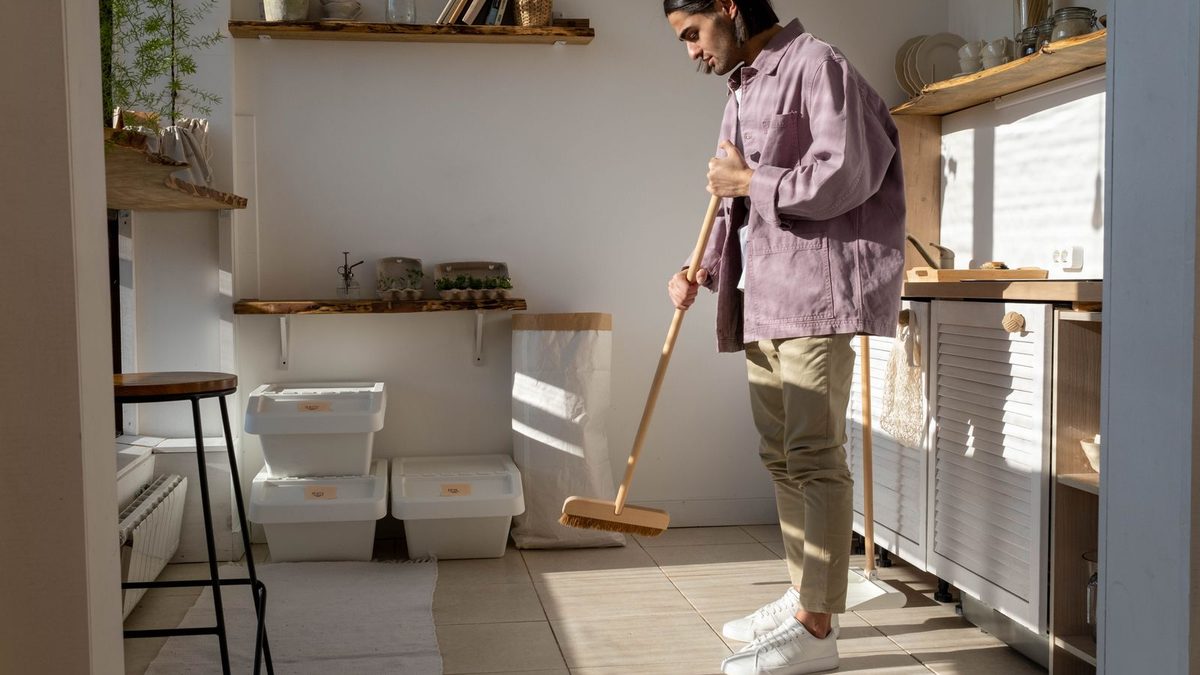
The technician packs the last spray bottle, pulls on his shoes, and the door clicks shut. For a moment the flat feels oddly still. Then you notice it: the faint chemical edge on the air, a film on the kitchen tiles, wet spots under the service-yard sink where bait stations sit, and a sticky line along the skirting that wasn’t there this morning. That is the real starting line for what to do after pest control singapore, not the treatment itself.
Most HDB and condo households book pest work for cockroaches, ants, or bed bugs and assume the hard part ends when the crew leaves. It doesn’t. Residues need time to work. Floors and counters still have to be safe for kids and pets. Soft furnishings pick up odour faster in 80-84% humidity than any temperate-climate blog admits. Open a wardrobe too early and you trap damp plus product smell against clothes. Wipe the wrong surface too soon and you scrub active barriers off the very edges the technician just treated.
This guide walks the hours and days after a residential treatment the way a careful homeowner actually lives them. You’ll get a wait-before-you-wipe timeline, a room-by-room reset that protects the treatment instead of undoing it, and clear signals that the smell or film needs a professional deep clean rather than another round of supermarket spray. No scare talk. Just the practical sequence dual-income households in Singapore need when the pest van has already gone and life has to resume in a small flat.
The first 24 hours: what you must not rush after treatment
Pest products are designed to stay on surfaces for a window of time. Scrubbing them off in a panic because the flat “smells chemical” is the most common mistake we hear about. Start with ventilation that is controlled, not chaotic. Open selected windows on opposite sides of the unit if your block allows cross-breeze, run the aircon on dry or cool with a clean filter, and keep exhaust fans on in the kitchen and bathrooms. You want air moving. You do not want every wardrobe door flung open while RH is still climbing after a shower or indoor laundry load.
Keep people and pets off wet treated zones until the technician’s re-entry time has passed. That usually means staying out of sprayed skirtings, behind the fridge line, under the hob, and the service yard for the period printed on the job sheet. If no sheet was left, call the pest company before you mop. Guessing is how active barriers get diluted into useless streaks.
Do not vacuum crack-and-crevice dust the same afternoon unless the pest firm said you should. Disturbing bait or gel can scatter it into places kids touch. Leave sticky traps where they were placed. Photograph their locations so you can check catch counts later without moving them by accident.
Food safety is non-negotiable. Anything left uncovered on counters during treatment should be discarded if the crew sprayed overhead or near prep areas. Wipe sealed packaged goods with a damp cloth only after the safe re-entry window, then dry them fully. Cutlery drawers that sat open during fogging need emptying, washing, and a full dry before you restock. In Singapore humidity, a damp drawer becomes a mould drawer within a day or two.
If the treatment included outdoor corridors or the balcony, check for runoff on tiles and railings. Monsoon rain the same evening can push diluted product into drains and leave white marks. Rinse only what the pest company cleared for water contact. Everything else waits.
A room-by-room reset that protects the pest work
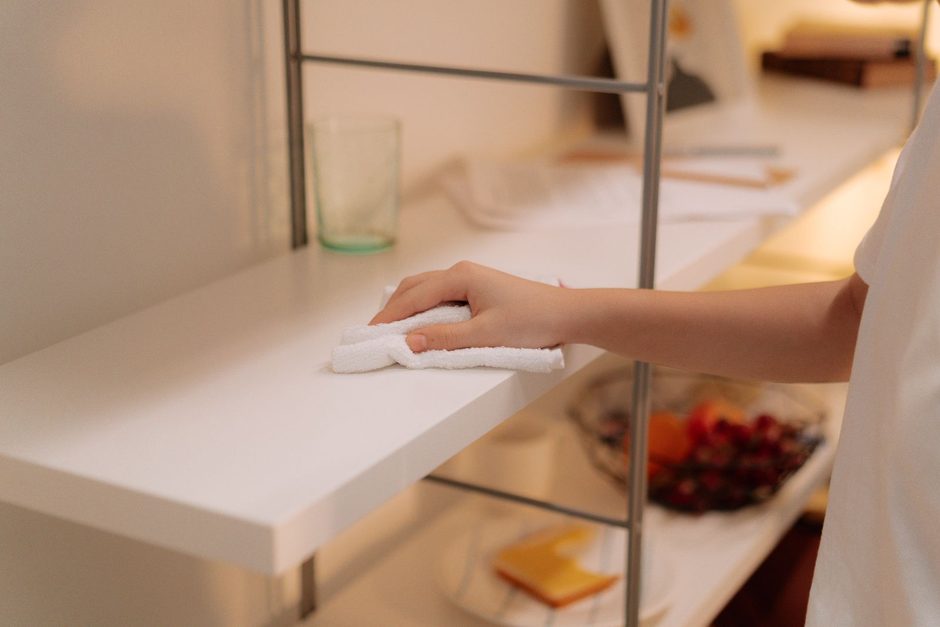
Once re-entry is allowed, clean with a light hand first. Heavy degreasers and bleach cocktails can break down residual insecticides on baseboards. Use a neutral cleaner on floors after the wait period, change mop water often, and avoid flooding skirtings. The goal is soil removal without stripping the treated edge.
- Kitchen: after cockroach treatment, wipe countertops, hob surrounds, and the fridge exterior only after the approved wait. Leave the thin treated line along the wall-floor junction alone unless the pest firm told you it is safe to mop over. Soak and wash metal mesh hood filters on your normal 1-2 week cycle later in the week, not the same night if spray drifted near the hood.
- Bathrooms: squeegee glass and tiles after every shower, run the exhaust another 15 minutes, and keep silicone dry. Moisture above roughly 70% RH invites mould on top of whatever the pest team left behind. Do not mix bleach with ammonia-based products while you chase both mould and insect residue.
- Bedrooms and wardrobes: vacuum mattress seams and bed frames if bed bug treatment was in scope, then air bedding in a dry room rather than a damp bomb shelter. Leave a 5-10 cm gap between furniture and exterior walls so cold damp pockets do not trap chemical smell against timber.
- Living area: dust high surfaces last, top down, so fallout lands on floors you will mop once. Soft sofas hold odour; a light vacuum of cushions is usually enough in the first pass. Full upholstery shampoo can wait until the flat no longer smells of treatment.
- Service yard and bomb shelter: wipe machine fronts, not necessarily the treated pipe chase. Shelters have near-zero natural airflow by design, so a short door-open window plus a dehumidifier run aimed at 55-60% RH helps more than spraying perfume.
- Windows and tracks: clear dead insects and grit from tracks after the wait, then dry thoroughly. Northeast monsoon dust plus damp product residue turns into grey paste if you leave it.
If floors still feel tacky after a proper dry mop and neutral clean, stop escalating chemicals. That film is often a mix of carrier and household dust, and aggressive scrubbing only spreads it. This is where a structured spring cleaning service with hospital-grade and family-safe options makes more sense than another DIY bottle from the supermarket shelf.
When the smell or film means you need more than a weekend wipe
A mild chemical note for a day is common. A headache-level odour that lingers past 48-72 hours with windows managed and aircon filters rinsed is not something you should keep living in. Fogging in compact HDB kitchens and open-concept living rooms settles on cabinet tops, curtain hems, ceiling fan blades, and the upper faces of pelmets. Weekend cloths rarely reach those planes, so the smell returns every time the fan spins or the afternoon sun warms the room.
Watch for secondary mess the pest visit created. Foot traffic tracks gel. Drill dust from new bait points settles on wet floors. Dead insects collect in corners and under sofas where dust mites already thrive year-round. Leaving carcasses and residue in soft zones undoes the comfort you paid the pest firm for.
Allergy and pet households should be stricter. If someone in the home is already sensitive to dust, keep them out of freshly treated rooms longer, wash bedding on a hot cycle the pest company allows, and avoid steam-cleaning treated timber until you have clearance. Pets need fresh water bowls washed, litter areas checked for spray drift, and paws kept off damp skirtings.
Landlord or agent inspections after a cockroach call-out often fail on the cleaning side, not the pest side. Inspectors notice sticky floors, yellowed silicone, and the service-yard drain smell even when traps are empty. A thorough human reset after treatment is deposit insurance as much as hygiene.
When you book help, choose a crew trained on which surfaces are safe to deep-clean after pesticide work without voiding residual barriers - the difference between a flat that only looks reset and one that still protects the treatment you paid for.
What Customers Say
These homeowners booked MCAAS after a pest visit - here is what they found.
"Amanpreet and Nan were punctual, professional and the attention to detail while cleaning the apartment I'm renting out is amazing. If I ever need cleaning services again, I'll be sure to look out for MCAAS."
- Luthfi Ismail
"Munisha and team did an excellent job at cleaning! The house was uninhabited for 6 months and was very dirty but they managed to make it absolutely spotless. Their attitude was also amazing. 11/10!"
- Stephanie Soh
Frequently asked questions about post-pest-control care in Singapore
How long should I wait before mopping floors after pest control in a HDB flat?
Follow the re-entry and cleaning window on your job sheet first. Many residual sprays need several hours of undisturbed drying on skirtings and edges. When in doubt, ask the pest company before you wet-mop treated lines.
Is it safe to cook the same evening after a kitchen treatment?
Only after the approved re-entry time, with food prep surfaces washed using a food-safe process, and with any uncovered food discarded if spray or fogging reached the counters. Run the hood and exhaust so humidity and odour do not hang in a compact kitchen.
Can I use bleach or strong degreaser to remove the chemical smell faster?
Strong oxidisers and solvent degreasers can degrade residual insecticides and etch stone or silicone. Start with ventilation, rinsed aircon filters, and a neutral cleaner. Escalate only on non-treated surfaces the pest firm cleared.
What if my child or pet walks on a still-damp skirting?
Wash the contact area with soap and water, rinse, and call the pest company with the product name from the job sheet for specific advice. Keep soft toys and pet bedding out of treated zones until fully dry and ventilated.
Do I need a professional clean after every pest visit?
Not always. Light gel baiting with minimal surface spray may need only careful wiping after the wait. Fogging, heavy residual spray, vacant-unit treatments, or lingering odour on high surfaces and soft furnishings usually need a full top-down clean.
Will opening every wardrobe speed up airing?
Short, planned airing helps. Leaving doors open for hours in high outdoor humidity can push moisture onto clothes and timber, then lock odour into fabric. Aim indoor RH below 60% with aircon dry mode or a dehumidifier in problem rooms.
How do I know the treatment still worked if I cleaned thoroughly?
Leave monitoring traps in place, avoid scrubbing the exact treated edge the technician marked, and track sightings for one to two weeks. Cleaning soil is fine; erasing the barrier line is not.
Conclusion
We at MCAAS Solutions see the same pattern after pest visits across Singapore homes: the insects may be handled, yet the flat still feels sticky, sharp-smelling, and half-finished until someone resets the surfaces the right way. Knowing what to do after pest control singapore is less about panic scrubbing and more about timed ventilation, protected barriers, and a calm room-by-room clean that restores a home you actually want to cook and sleep in. If the film and odour outlast a careful DIY pass, we are ready to take the high dust, tracks, and forgotten corners so your weekend is not spent chasing residue. Contact us at +65 8834 2867, send a quick note on WhatsApp, or visit our spring cleaning service to book a thorough post-treatment clean with a written scope and a team that stays until the flat feels fresh again.