Deep Cleaning , Home Maintenance
Why cleaning after painting a room Singapore still feels dusty
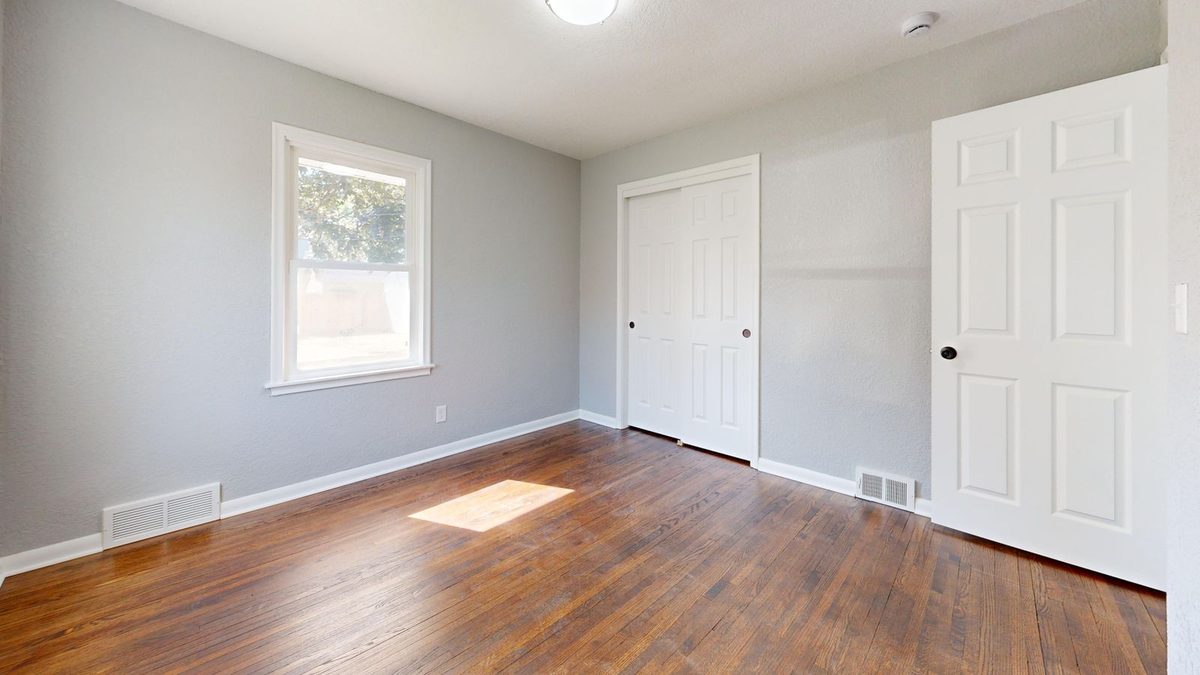
The painters have already left. Blue tape is gone from most of the aluminium frames, the roller trays are stacked by the lift lobby, and the walls finally match the colour chip you approved weeks ago. Then you walk back into the bedroom barefoot, drag a fingertip along the dark laminate wardrobe, and feel grit. White powder sits on the skirting like chalk dust. When the aircon kicks on, a faint solvent note moves through the room and a fine film reappears on the coffee table by the next morning. That gap - walls look finished, the room still does not feel liveable - is exactly where cleaning after painting a room Singapore households keep underestimating.
A fresh coat hides more than it removes. Pigment dust from sanding and cutting in stays airborne in a compact HDB or condo room long after the last stroke. Overspray mist settles on ceiling corners, fan blades, window grilles, and glass. Masking adhesive leaves a tacky edge on frames and switches. Drips cure into ghost marks on tiles and vinyl. Singapore’s humidity, often sitting in the high 70s to 80s outdoors and staying elevated indoors when windows stay shut, slows curing and keeps those particles clinging instead of falling cleanly once and for all. A weekend wipe with a damp cloth often just smears the film, then electrostatic dust resettles overnight.
What you are dealing with is renovation dust in miniature. It is finer than ordinary household dust, it lodges in window tracks and door seals, and it recirculates every time the fan or aircon runs if you never clear the high surfaces and the return path. Painters are paid to finish paint, not to leave a hotel-grade room. Your job after they leave is different: staged containment, dry removal first, finish-safe detail work, then floors and HVAC paths last. Get the sequence wrong and the room keeps shedding grit for days. Get it right - or bring in a crew that treats post-paint residue as its own craft - and the space finally feels like somewhere you can sleep without tasting dust on your lips.
What paint leaves behind when the walls already look perfect
Stand in a freshly painted HDB bedroom at late afternoon and angle a torch along the skirting. You will usually see speckles the eye missed under overhead light: roller spatter on the upper wall line, a faint haze on the cornice, white dust pooled where dark laminate meets the floor. Window tracks collect a grey-white paste of pigment and corridor grit. Switches and socket plates pick up overspray that feels rough under a fingernail. Aluminium frames hold tape residue in a thin, sticky strip that attracts more dust every time someone opens the slider.
The floor is often the loudest complaint. Bare feet pick up a chalky film that looks clean after one mop pass, then prints again within a day. That is not “you cleaned badly” in the moral sense. Fine paint dust is light enough to lift when airflow changes, and closed-up rooms in our climate keep particles suspended longer than a dry temperate flat would. When you wet-wipe too early, or mop before you have vacuumed high to low, you drive slurry into grout lines and laminate edges. When you skip the fan blades and the tops of wardrobes, the aircon simply redistributes yesterday’s pigment tonight.
Odour rides with the dust. New paint off-gassing and unsettled powder often linger together until surfaces and the air path are actually cleaned. Running the aircon on a dusty filter does not “air out” the room; it cycles the same film past your face. Small HDB living rooms and bedrooms concentrate that problem. Shared corridors and limited cross-ventilation make containment and order of work matter more than a casual “just wipe the walls” plan ever admits.
There is also a finish risk DIY guides gloss over. Scrubbing semi-cured emulsion with the wrong cloth or an aggressive degreaser can haze, scuff, or lift a new coat. Glass and grilles need overspray lifted without scratching. Tile drips need patience so you do not leave ghost rings. Post-paint cleaning is residue-aware work, not a tidy-up after the contractors leave. That is why a proper post-renovation cleaning service treats paint dust, adhesive, and detail tracks as a category of their own rather than a lighter version of weekly housekeeping.
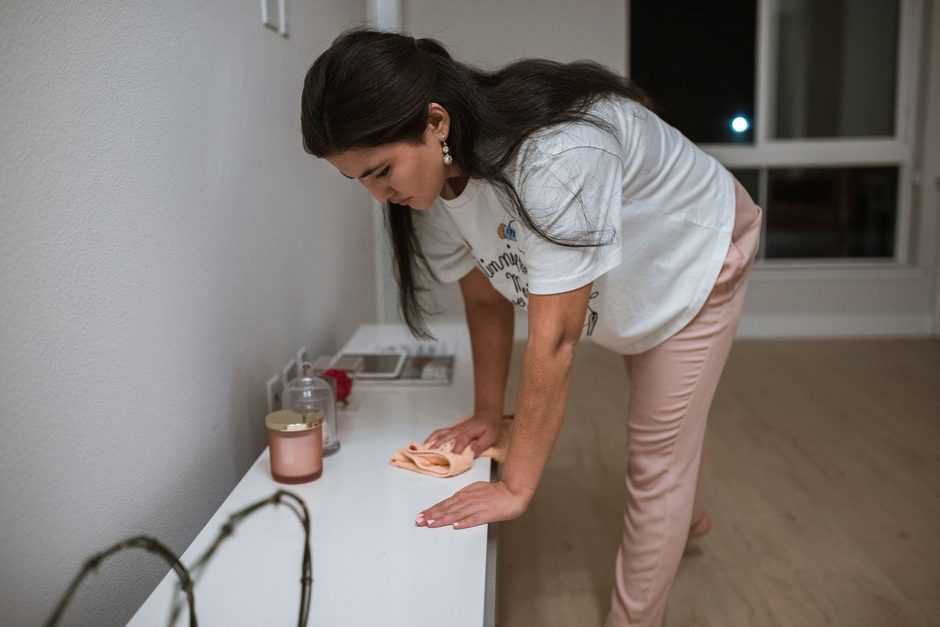
Why a casual mop fails in Singapore humidity
Humidity changes the physics of the mess. When indoor moisture stays high, paint takes longer to reach a truly hard, wipe-safe state, and fine particles stick to slightly tacky edges instead of brushing off clean. A cloth that feels damp enough for ordinary dust can leave streaks on fresh emulsion and smear adhesive on frames. Floors look glossy for an hour after mopping, then show foot marks again because you never removed the dry load sitting on cornices, pelmets, and wardrobe tops.
Sequence errors compound the problem. Starting on the floor while fans and returns are still loaded means every later pass recontaminates what you just did. Ignoring window tracks leaves a reservoir that bleeds white dust each time you open the pane. Leaving the aircon filter and return grille untouched guarantees overnight resettling - the same pattern households notice with ordinary ceiling-fan dust, only denser after painting.
Product choice matters too. Multipurpose sprays that are fine on old, fully cured walls can be harsh on fresh coats or leave residue that attracts more grit. Microfibre that is already loaded with pigment becomes a redistribution tool. Dirty mop water turned once for a whole room does the same on floors. Dual-income owners often only have a Sunday afternoon; the temptation is one energetic pass. Paint residue does not yield to energy alone. It yields to dry first, detail second, damp last, and HVAC paths included.
If the room still feels gritty after your best DIY attempt, that is not a character flaw. It is a signal that the hidden layers - tracks, seals, high dust, filter media - never entered the plan. Professional crews who specialise after works bring the vacuum discipline, finish-safe chemistry, and time bands that a single household afternoon rarely matches, especially when the rest of the flat is still lived-in and dust has somewhere to migrate.
A same-week post-paint clean sequence you can actually finish
Use this as a practical checklist once painters are gone. Adjust timing to the paint system your contractor specified; when in doubt, wait until surfaces are touch-dry and the manufacturer’s gentle-contact window has passed before any damp work on walls.
- Ventilate with intent. Open windows where safe, run exhaust fans, and keep the room empty of soft furnishings you care about until the heavy dust stage is done. Confirm paint is touch-dry and firm enough for light contact before you press cloths on vertical surfaces.
- Dry-remove loose dust high to low. Soft-brush or vacuum ceiling fans, light fittings, cornices, curtain pelmets, and the tops of wardrobes and cabinets. Work toward the door so you are not walking pigment back into cleaned zones.
- Detail the hardware and edges. Clear switches, socket plates, door handles, and skirting with a barely damp microfibre where the paint allows. Pay special attention to aluminium frames where tape adhesive remains; lift residue carefully instead of scrubbing colour off adjacent walls.
- Open and clean window tracks and seals. Vacuum the channels first, then wipe. This is where white paste hides and re-seeds the room every time the slider moves.
- Treat glass and grilles for overspray. Use a method safe for the glazing and the grille finish; avoid abrasive pads that scratch. Speckles on glass show in morning light even when walls look perfect.
- Damp-wipe wall surfaces only where specified and safe. Focus on cut-in edges, corners, and marks - not a full aggressive scrub of fresh emulsion. Change cloths the moment they grey.
- Floors last: vacuum thoroughly, including edges and under movable furniture, then damp mop with clean water changed often and a residue-safe approach for your flooring type. Let the floor dry fully before heavy traffic.
- Refresh the air path. Rinse or replace the aircon filter if it is due, wipe returns and nearby grilles, and give fan blades a second quick pass so the system stops blowing yesterday’s dust into tonight’s air.
That list is deliberately longer than “mop and done.” Skip the dry high work or the tracks and you will redo the floor. Skip the filter and the room will taste dusty again by morning. If you only have energy for one stretch, prioritise vacuum high-to-low, tracks, and floors over decorative wall polishing - then schedule the detail you missed rather than living with grit for a fortnight.
When the room still sheds dust after you have tried
Some jobs outgrow a single household session. Full-room colour changes with heavy sanding, combined painting plus minor works, or a whole flat refreshed while you still live in the other rooms all multiply the load. Overspray on textured ceilings, stubborn adhesive on older frames, and drips on porous tiles need time and the right chemistry. Parents and pet owners also care about product safety once the strong solvent smell fades but the film remains.
At that point, booking specialists who already work post-works dust is practical, not indulgent. Look for crews that bring equipment rather than asking for your pail and cloths, who work high surfaces and tracks without being told twice, and who understand that “looking clean from the sofa” is not the same as zero dust on dark furniture the next day. MCAAS Solutions positions that work under post-renovation cleaning for exactly this residue profile: paint dust, construction fines, and the detail finishes homeowners usually miss after painters pack up.
Walk the room once with a torch along skirting, tracks, and fan blades before you decide. List every surface still shedding white. That short inventory becomes the brief for either your second DIY pass or a professional scope - and it stops the vague feeling that “something is still wrong” without a plan.
What Customers Say
Singapore homeowners who brought in our team after painting work consistently flag the same two wins: surfaces that stayed clean overnight and details - tracks, fans, grilles - they hadn't thought to check. The reviews below include post-works and handover cleans as well as deep detail on fans and window channels - the same high-dust and track work that decides whether a freshly painted room stays liveable.
"Many thanks for cleaning my new home. It was dusty and there were many stains and footprints. Your cleaning team did a very good job and I would call you for help again with the knowledge of your high standards to details involved in the cleaning. Once again, my heartfelt thanks to Munisha, Jashandeep and Thae Thae. Steve Chan Tampines Green Emerald 9th May 2025"
- Chan P C
"Amandeep and Nan are terrific! They have been very helpful in 1 time cleaning of my parent’s HDB! They went extra mile to clean and clear. 101% will use again and recommend them!"
- Teng Yin Goh
"Nan has been on time and hardworking. She never rush through her works, cleaning 5 areas of windows and washing 4 fans in 4 hours. Windows are clean and dustless. Thank you"
- Chang How Choo
"I am very pleased with helper Amanpreet Kaur to clean the whole house with handover unit. She uses less time and assist in more work in getting the place clean. Thanks so much and I will look back for Ur service again."
- Priscillia Ng
Frequently asked questions: post-paint cleaning in Singapore HDB and condo homes
How long should I wait before wet-cleaning freshly painted walls?
Follow the paint system your contractor used. Many household emulsions need to be fully touch-dry and past the early cure window before damp cloths or mild cleaners. When unsure, stick to dry dust removal on high surfaces and floors first, and keep wall contact light until the finish feels hard, not soft or tacky.
Why does white dust return on dark furniture overnight?
Fine pigment and sanding dust stay in tracks, on fan blades, wardrobe tops, and inside aircon filters. Air movement overnight redeposits what was never fully removed. Humidity helps particles cling and resuspend. Dry vacuuming high to low plus filter care usually breaks that loop better than another damp wipe alone.
Can I use ordinary multipurpose spray on new paint?
Not always. Some sprays leave residue or are too aggressive on fresh coats and can haze or scuff. Prefer clean microfibre, minimal moisture, and products your painter or paint label allows. Test a small inconspicuous spot if you must use a cleaner on vertical paint.
What should I clean first after painters leave an HDB bedroom?
High dry dust (fans, cornices, tops), then frames, switches, skirting, and window tracks, then glass and grilles, then cautious wall touch-ups, then vacuum and mop floors, then aircon filter and returns. Floors first is the most common DIY mistake.
Is post-paint cleaning the same as a normal spring clean?
No. Paint dust, overspray, tape adhesive, and curing constraints make it closer to light renovation residue work. Ordinary weekly housekeeping often skips tracks, seals, and finish-safe discipline. That is why post-renovation-style cleans exist as their own job type.
How do I know DIY is not enough?
If bare feet still pick up chalk after two careful passes, if dark surfaces film over within a day, if tracks stay pasty, or if the aircon reintroduces smell and grit, the hidden load is still there. A scoped professional clean is often faster than a third frustrated weekend.
Will opening windows alone clear the chemical smell?
Ventilation helps, but odour often sits with dust on surfaces and in filters. Without wiping and clearing the air path, smell can return when the aircon runs. Combine airflow with actual surface and filter cleaning.
Conclusion
We at MCAAS Solutions know how deflating it is when the colour is right and the room still feels unfinished under your feet. Paint dust does not respect the moment the last roller is rinsed; it waits in tracks, on blades, and in filters until someone works the full sequence. Tonight, walk the room with a phone torch along skirting and window channels and jot every surface still shedding white - that short list is your map. When you want that map cleared without another weekend of grit and sticky film, our team handles the residue-aware detail that turns a painted shell into a room you can actually live in. Reach us on WhatsApp, call +65 8834 2867, or book through our post-renovation cleaning service so the post-paint clean your Singapore home deserves ends in liveable air, not another chalky morning.