Construction Cleanup: Singapore Safety Standards
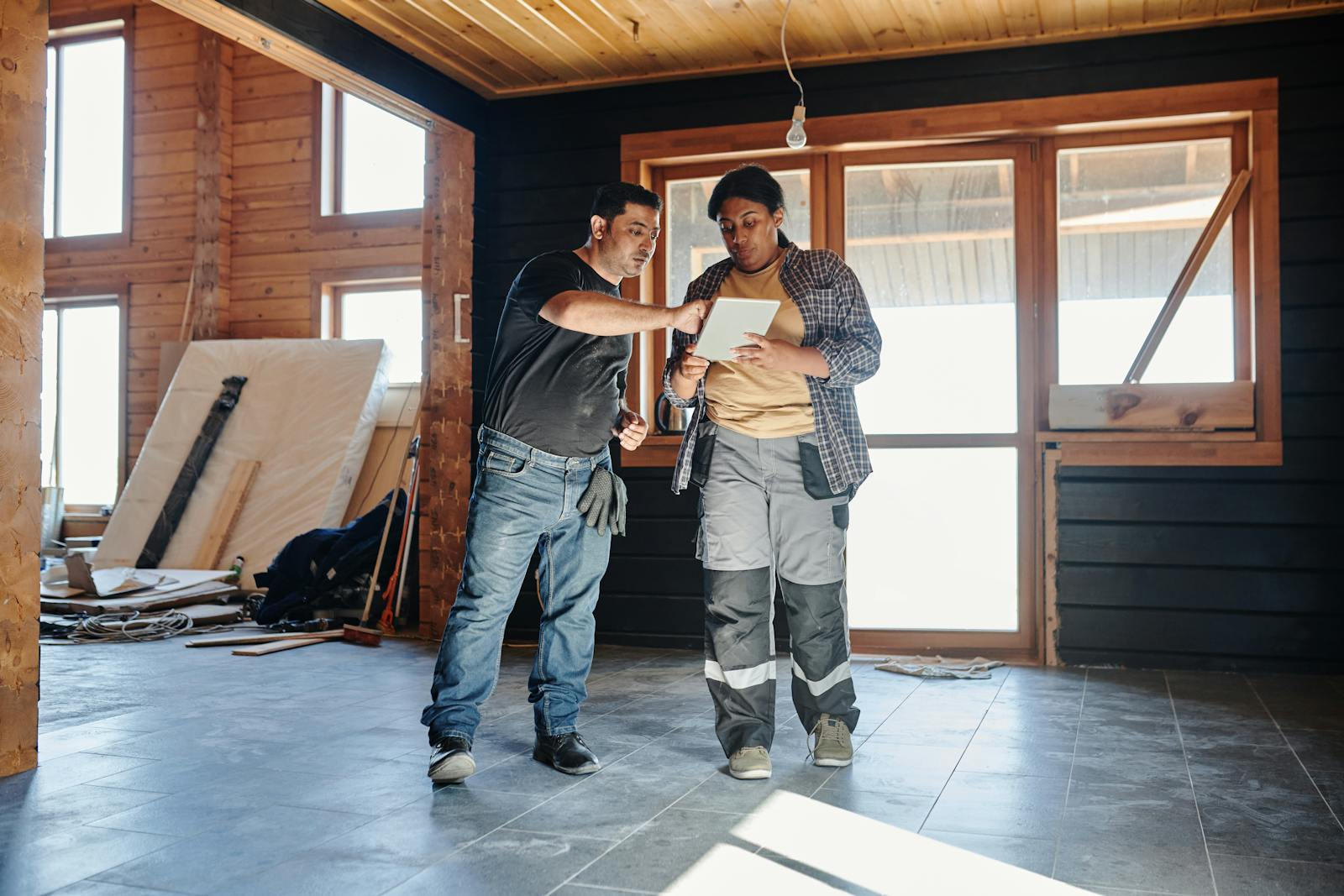
The last week of a renovation or fit-out project is where handovers are won or lost. The carpentry is in, the painters are done — and the site is covered in cement dust, offcuts, packaging, grout haze and paint overspray. How that final cleanup is scoped, executed and checked determines whether the client walks in and signs off, or walks in and starts a defects list. This guide covers post-project cleanup for contractors and site supervisors in Singapore: handover cleaning standards, debris disposal responsibilities, dust control, cleanup safety, and when it makes commercial sense to outsource the final clean to a specialist post-renovation cleaning service.
Who this guide is for
This is written for the people responsible for handing over a finished site: main contractors, renovation firms, interior fit-out companies and site supervisors running residential or commercial jobs in Singapore. Homeowners cleaning up after their own renovation are better served by our homeowner guide — this article deals with site-side responsibilities before the keys change hands.
What a proper handover clean covers
“Site cleared” and “handover-ready” are two different standards, and the gap between them is where disputes happen. Agree the cleanup scope in writing — ideally at contract stage — so everyone knows which of these levels the job ends at:
Level 1: Rough clean (end of wet works)
- All debris, offcuts, broken tiles and packaging removed from the work area
- Floors swept or scraped clear of mortar droppings and screed spills
- Protective sheeting lifted, checked for trapped debris, and removed
- Bulk waste moved to the designated collection point for disposal
Level 2: Trade clean (after each fitting-out trade)
- Each subcontractor removes its own waste before demobilising: tilers take broken tiles and adhesive tubs, painters take cans, thinners and masking, carpenters take sawdust and offcuts
- Grout haze and adhesive smears addressed while still fresh — cured cement residue is far harder to remove and may need controlled acid washing later
- Silicone smears and paint overspray spot-checked on glass, ironmongery and sanitaryware
Level 3: Final clean (handover standard)
This is the clean the client actually judges:
- Fine dust removed from every horizontal surface — including tops of wardrobes, door frames, trunking and window ledges, the places a walkthrough inspection always finds
- Interiors of built-in carpentry, drawers and cabinets vacuumed and wiped — sawdust inside new cabinetry is one of the most common handover complaints
- Windows, tracks, grilles and glass cleaned where safely reachable
- Floors vacuumed with fine-filter equipment, then mopped or machine-scrubbed to remove the dust film that ordinary mopping smears around
- Bathrooms and kitchens descaled, sanitised and free of grout and silicone residue
- Aircon return grilles and accessible vents wiped so the system does not blow settled dust back into the unit on day one
- A final walkthrough against a written checklist, room by room, before the client is invited in
Debris segregation and disposal: whose job is it?
Disposal responsibility should never be assumed. The arrangement that works best — each trade removes its own waste, the main contractor handles final site clearance — only works if it is in writing before work starts.
On the ground, segregate as you go rather than at the end:
- General construction debris — concrete, tiles, plaster, timber — goes to a licensed waste collector. Renovation waste in Singapore must go through licensed disposal channels; dumping it in common bins or bin centres is an offence and, on HDB and condo projects, a fast way to lose your deposit with the managing agent or town council.
- Recyclables — metal offcuts, cardboard, clean timber — separated where volumes justify it; some collectors charge less for segregated loads.
- Chemical waste — leftover paint, thinners, solvents, adhesives — must not go down drains or into general waste. Keep containers sealed, labelled and stored away from heat until collected or returned to the supplier.
- Sharps and fixings — loose nails, screws, blades and glass fragments swept and magnet-rolled off floors before the client (or any barefoot trade) enters.
Keep disposal receipts. If a managing agent or client later queries where twenty bags of renovation waste went, a paper trail from a licensed collector closes the conversation quickly.
Dust control before client handover
Construction dust is the hardest part of a final clean to get right, because it does not behave like household dust. Cement and gypsum particles are fine enough to stay airborne for hours, resettle overnight, and be recirculated by the aircon the moment it is switched on — a site that looked clean on Friday evening can show a visible film on every dark surface by Monday’s inspection. (For why this happens, see the dust layers renovation crews leave behind.)
What works on site:
1. Stop generating dust before you start removing it. All cutting, sanding and hacking — including “small” defect-rectification cuts — must be finished before the final clean begins. One tile cut after the clean undoes a day’s work. 2. Clean top-down, dry before wet. Ceilings, ledges and high fittings first, floors last. Vacuum before wiping; a wet cloth on a dusty surface turns cement dust into smeared paste. 3. Use fine-filtration vacuums, not brooms. Sweeping fine dust mostly relocates it into the air; fine-filtration vacuums capture it instead of recycling it. 4. Run the aircon only after grilles and returns are cleaned, or the system redistributes settled dust across your freshly cleaned unit during the handover itself. 5. Schedule the final clean as close to handover as possible, then lock the unit. Every trade re-entry after the clean is a dust event.
Safety during cleanup work
Cleanup is real site work and injures people when it is treated as an afterthought. The main hazards:
- Sharps. Nails through offcuts, snapped tile edges, glass shards and utility blades hide in debris piles. Crews need cut-resistant gloves and proper footwear — no slippers on site, even on the last day.
- Chemical residues. Solvent-soaked rags, open thinner tins and mixed leftover chemicals are fire and inhalation risks. Never mix cleaning chemicals with construction chemicals, and ventilate spaces where solvents were used before crews work in them. Strong descalers and acid-based cement removers need gloves, eye protection and ventilation — acid washing of cement-stained tiles in particular should be left to trained crews, not improvised.
- Working at height. High ledges, light fittings and window exteriors tempt people onto paint tins and window frames. Use proper ladders or platforms, and never lean out of openings to clean external glass — anything not safely reachable is out of scope without proper access equipment.
- Dust exposure. Fine construction dust is a respiratory irritant, and silica-containing dust from concrete and tile cutting warrants particular care. Crews doing heavy dry dust removal should wear suitable dust masks.
- Slips and manual handling. Wet floors, trailing vacuum cords and overloaded debris bags cause the boring, common injuries. Cone off wet areas and keep bag weights sensible.
Good cleanup safety is simply good site safety extended to the last day of the programme — the same duty of care applies until the final worker leaves.
Common mistakes that spoil handovers
- Leaving the clean to leftover manpower. General workers with brooms produce “site cleared”, not a handover finish — and brooms make the dust problem worse.
- Cleaning before the snagging cuts are done. Rectification works first, clean second — or budget for cleaning twice.
- Ignoring inside surfaces. Clients open every drawer at handover. Sawdust inside new carpentry reads as carelessness even when the joinery is excellent.
- Letting adhesive and grout cure. Fresh residue wipes off; cured residue needs mechanical or chemical removal that risks scratching or etching the finish.
- No disposal paper trail. Unaccounted-for waste can surface as a complaint weeks after handover.
- Skipping the pre-handover walkthrough. Inspect the unit yourself, in daylight, against the checklist — find the missed ledge before the client does.
In-house cleanup vs outsourcing the final clean
Rough cleans and trade cleans belong in-house: your crews generated the waste, and clearing as they go is basic site discipline.
The final clean is a different calculation. It needs different equipment (fine-filtration vacuums, floor scrubbers, glass kits) and a crew whose standard is “client walkthrough”, not “site cleared”. Pulling skilled trades off other jobs to do detail cleaning is expensive labour doing unfamiliar work — and the handover impression is disproportionately valuable. A defect-free unit that smells of dust and shows footprints invites a harder inspection; a genuinely clean one puts the client in a signing mood and protects your review, retention release and referral. For a fuller comparison, see why post-construction projects benefit from professional cleaners.
For most renovation firms the practical split is: in-house crews handle debris and rough cleaning as part of the works, and a professional post-renovation team does the final clean, one to two days before handover.
Booking MCAAS for contractor handover cleans
MCAAS Solutions is an NEA Licensed, WSQ Course Certified Singapore cleaning company that handles post-renovation final cleans for contractors and renovation firms, with a 4.9/5 Google rating from more than 370 reviews. Teams arrive with all equipment and supplies — nothing needs to come off your site inventory — and every job ends with a final inspection before the team leaves, which maps neatly onto your own pre-handover walkthrough. Post-renovation cleaning starts from $248 with transparent pricing, no hidden fees and no contracts, so it is easy to price into a project as a line item.
To get a slot that fits your programme, WhatsApp the unit size, address and handover date to +65 8834 2867 — quotes usually come back within 2 minutes — or call during office hours (Mon–Sat, 8:00 AM–5:00 PM). Email works too: cs@mcaassolutions.com.
Frequently Asked Questions
Who is responsible for construction waste disposal on a renovation project?
Whoever the contract says — which is why it must say. The common arrangement is that each subcontractor removes its own trade waste and the main contractor arranges final clearance through a licensed waste collector. Renovation debris must never go into common rubbish bins; keep collection receipts as proof of proper disposal.
When in the programme should the final clean happen?
After all trades — including defect rectification — have finished, ideally one to two days before handover. Any cutting, sanding or hacking after the final clean re-contaminates the unit, so lock the unit once the clean is complete.
Does a professional final clean include debris removal?
Typically no. Bulk debris — offcuts, packaging, broken tiles — should be cleared by the contractor first. The professional scope covers fine dust, residues, floors, glass, bathrooms, kitchens and built-in interiors to handover standard. Confirm the split in writing when booking.
Can MCAAS work around a tight handover date?
Yes — WhatsApp +65 8834 2867 with the unit size and handover date and you will usually have a quote within 2 minutes. The team arrives on time with all equipment and finishes with a final inspection, so the unit is walkthrough-ready when your client arrives.