Deep Cleaning , Humidity & Mould
Clear mattress dust mites in Singapore without replacing it
Dealing with dust mites in a mattress in Singapore without throwing it out means treating the mattress as a cleaning problem, not a disposal problem. The mites causing the 3am itch and the morning sneeze live in the top couple of centimetres of foam or fabric, feeding on shed skin flakes, and they rebuild their numbers within weeks in our 80% humidity no matter how new the mattress is. A professional steam and extraction clean, which falls under MCAAS Solutions' mattress cleaning service from $98, lifts both the live mites and the allergen residue a vacuum alone can't reach.
If you've been pricing a replacement Queen-size online at $800 and up, hold off. Most of what you're smelling, feeling, or sneezing at isn't a reason to haul the old one to the void deck. It's a reason to treat it properly, and then stop it from happening again.
Why a mattress in a humid HDB bedroom turns into a mite colony faster than you think
Dust mites multiply fastest in relative humidity between 70% and 80%. Walk into most HDB bedrooms at night with the aircon off, and that's roughly where the air sits by 2am once two people have been breathing and sweating into a closed room for a few hours. The mattress absorbs that moisture, holds onto it longer than the surrounding air does, and becomes exactly the microclimate a mite colony wants: warm, damp, and stocked with a steady supply of shed skin cells. This isn't a hygiene failing on your part. It's physics meeting Singapore's climate, and it happens in brand new mattresses almost as fast as in five-year-old ones.
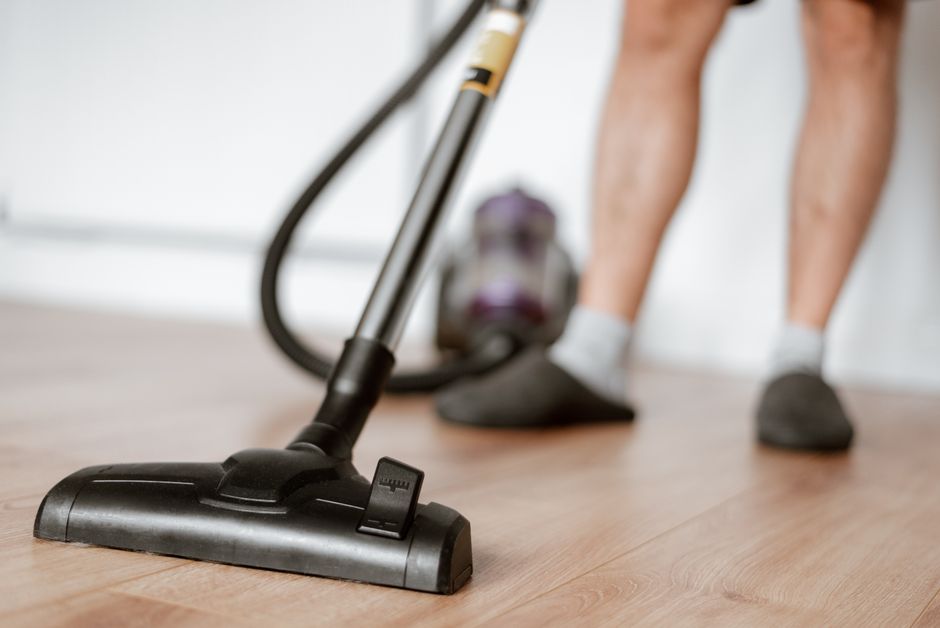
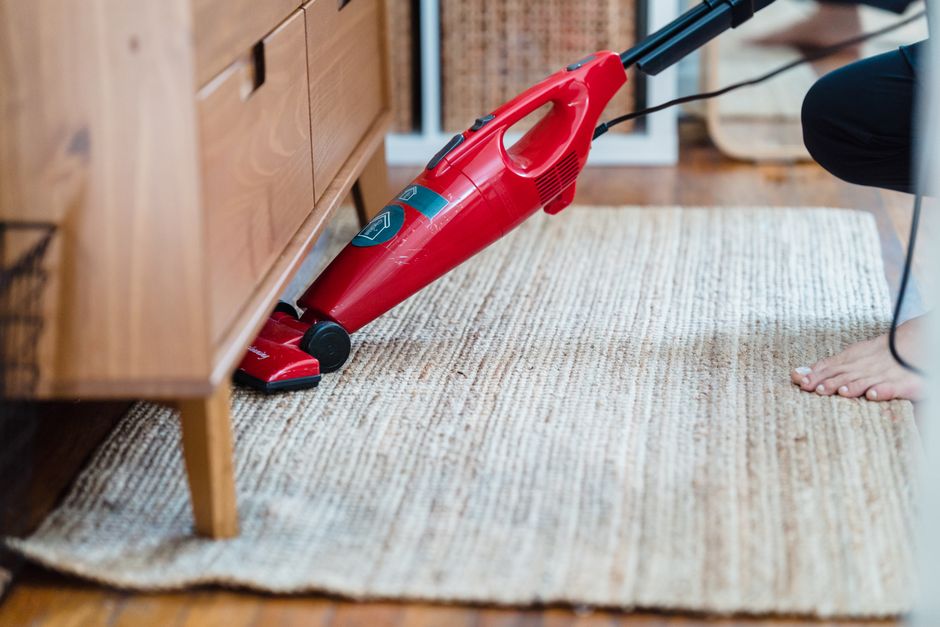
The frustrating part is that regular vacuuming barely touches the problem. A domestic vacuum pulls up dust, dead mites, and droppings sitting on the surface, but it has nowhere near the suction or the heat to reach mites burrowed into the quilted layer or the foam just beneath it. People notice the itching persists even after a thorough vacuum session, conclude the mattress is "done," and start mattress shopping. That's usually the wrong next step. The mattress isn't the problem. The cleaning method was.
What actually breaks a mite colony without wrecking the foam core
Dust mites and their allergens are killed reliably by sustained heat, generally above 55 degrees Celsius held for several minutes, combined with mechanical extraction that pulls the dead material and moisture back out. A handheld garment steamer run over the mattress surface gets close to that temperature at the point of contact, but it's a surface pass. It doesn't penetrate the foam layer where a chunk of the colony lives, and worse, if the moisture it leaves behind isn't extracted and dried properly, you've just created a damp pocket inside the mattress. Give that pocket 24 to 48 hours in a closed HDB bedroom and you're no longer managing dust mites. You're managing mould.
This is the part DIY routines consistently miss. Professional mattress cleaning uses hospital-grade disinfectant paired with steam and immediate wet-vacuum extraction, so the heat does its job on the mites and the moisture comes straight back out instead of sitting in the fill. The mattress goes from damp to touch-dry within a few hours rather than staying humid overnight. That single difference, extraction versus plain steaming, is usually what separates a mattress that stays allergen-light for months from one where the itching is back within two weeks.
A six-step weekend routine that buys time between professional resets
You don't need a professional crew every month to keep a mite colony from exploding again. A few habits, done consistently, stretch the gap between proper cleans considerably. Here's what we'd actually recommend doing this weekend if your mattress has been bothering you:
- Strip every layer, including the mattress protector, and wash it in water at 60 degrees Celsius or hotter, since mites and their eggs don't survive that temperature.
- Vacuum both sides of the bare mattress slowly with a HEPA-filter attachment, spending extra time along the seams and the quilted channels where debris collects.
- If the mattress can be moved, prop it near an open window for two hours of indirect sunlight and airflow rather than direct midday sun, which can warp memory foam over time.
- Run a dehumidifier in the bedroom for four to six hours a day, aiming to keep relative humidity below 60%, since that single number does more for long-term mite control than any spray.
- Rotate the mattress end to end every three months so wear, sweat absorption, and mite concentration don't settle permanently into one half.
- Fit the mattress and every pillow with a zippered, mite-proof encasement, which physically blocks mites from migrating back into the fill once it's clean.
None of this replaces a deep extraction clean once or twice a year, but it's the difference between a mattress that needs professional attention every six months and one that needs it every six weeks. Dual-income households that barely have energy for a weekend mop usually find the dehumidifier and the encasement alone cut the itching noticeably within a fortnight.
When a mattress has crossed from a mite problem into something a clean can't fix
There's a line, and it's worth knowing where it is so you're not cleaning a mattress that genuinely needs replacing, or worse, throwing out one that didn't. A persistent musty smell that returns within a day of airing, visible dark or greenish spotting under the quilted cover, or a mattress that still feels damp to the touch a full day after cleaning are signs that mould has taken hold inside the fill, not just mites on the surface. At that point, extraction cleaning can help, but it's worth getting someone to physically assess the mattress before committing to another cleaning round. If the foam core itself has broken down, no amount of steam brings it back. Short of that, though, the vast majority of dust mite complaints on a mattress under about seven years old are solvable without a trip to the furniture store. A thorough professional reset followed by consistent humidity control handles the problem for most Singapore households, and it costs a fraction of a replacement mattress.
What Customers Say
"Had move out cleaning service with MCAAS, the cleaner was Amanpreet kaur and she was excellent. Very thorough cleaning and hard work done on the bathroom tiles which were coloured throughout the years and no chance in cleaning it despite my several attempts. Definitely 5-star service and will engage Amanpreet again for my general cleaning going forward." - Ley Ting Chu
"Great attention to details and most importantly Munisha and team make sure all corners are clean before heading off. Munisha and team also helped to point us defect that we didn't notice before because they do all deep cleaning. Thank you so much! I will surely engage the company again if I need cleaning service" - Debby
"Superb job - excellent service. Very thorough and hardworking staff. Very pleased with the work done, also the speed & tidiness of the workers. Found all five personnel- Munisha Team to be very courteous, polite and willing to help and would highly recommended the group." - NaluriHearty Sinar
"Amanpreet and nan are good and meticulous" - Shermaine Chan
FAQs About Mattress Dust Mites in Singapore
Can dust mites in a mattress be removed without replacing it?
Yes, in most cases a mattress under about seven years old can be fully treated with a professional steam and extraction clean rather than replaced. Replacement only becomes necessary once mould has taken hold inside the foam core itself.
How often should a mattress be professionally cleaned to control dust mites in Singapore?
Every six months is a reasonable baseline for most households given our humidity, with allergy-prone or pet-owning homes benefiting from a clean every three to four months. Households that also run a dehumidifier regularly can often stretch that gap further.
Does sunlight kill dust mites on a mattress?
Indirect sunlight and airflow help dry out moisture and reduce mite activity, but a couple of hours by a window won't reach mites embedded deeper in the fill. It's a maintenance step, not a substitute for a proper extraction clean.
Can I use a handheld garment steamer on a mattress instead of hiring someone?
A garment steamer can reduce surface mites but doesn't extract the moisture it leaves behind, which risks trapping damp inside the mattress. Without extraction, you can end up trading a mite problem for a mould problem within a day or two.
How much does professional mattress cleaning cost in Singapore?
MCAAS Solutions' mattress cleaning starts from $98 as part of the upholstery cleaning range, with the final price depending on mattress size and condition. That's typically a fraction of what a replacement mattress would cost.
Is a mattress protector enough on its own?
A washable protector reduces how much sweat and skin cells reach the mattress surface, but it doesn't remove mites already living in the fill. It works best paired with a periodic deep clean, not as a standalone fix.
How do I know if dust mites are causing my allergies versus something else?
Symptoms that flare specifically after lying down, such as sneezing, itchy eyes, or a blocked nose within minutes of getting into bed, point strongly toward mattress-based allergens. If symptoms persist after a proper clean and humidity control, it's worth checking for mould or another household trigger.
Conclusion
We at MCAAS Solutions see this exact worry play out in almost every HDB and condo bedroom we're called into: a perfectly good mattress, a few years of itching, and a homeowner halfway to booking a replacement delivery they don't actually need. Clearing dust mites from a mattress in Singapore without throwing it out usually just takes the right combination of heat, extraction, and a humidity habit that sticks. Contact us at +65 8834 2867, send a quick note on WhatsApp, or visit our mattress cleaning service to get a mattress that's actually mite-free, not just freshly vacuumed.