Home Maintenance , Cleaning Tips
Is your dusty aircon making you sneeze?
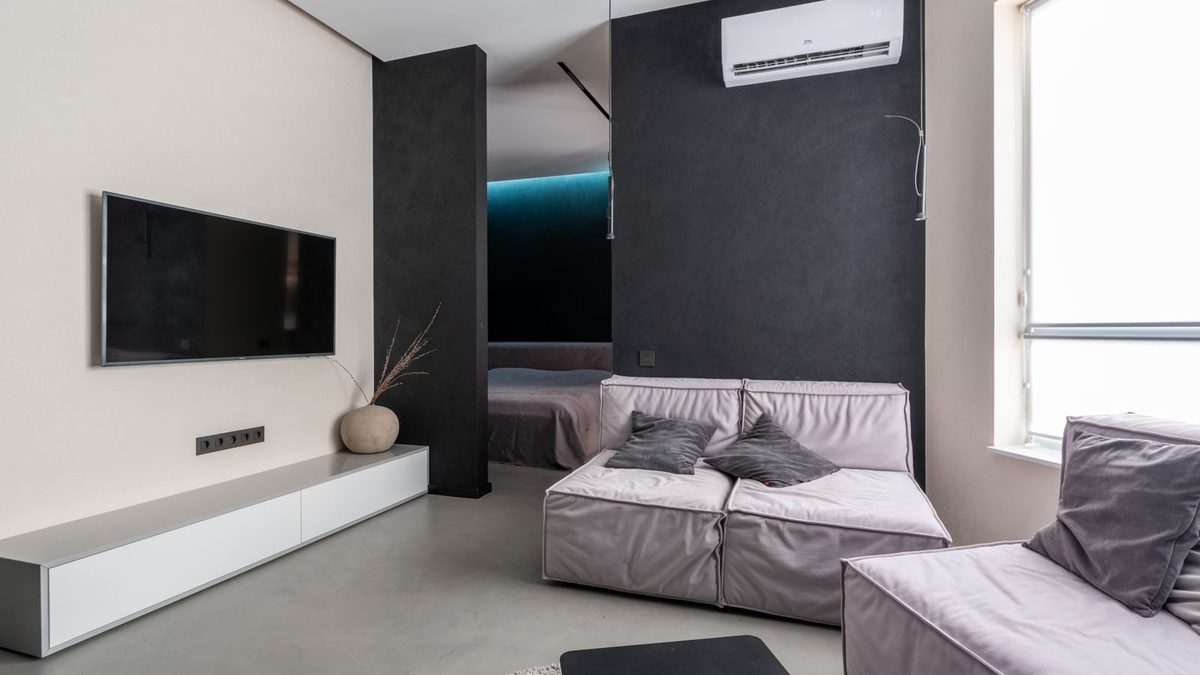
You flip the wall unit to cool at 9pm and the first blast hits your face like a dusty cupboard. Not the cold you wanted. A grey film rides the airflow, your eyes water, and the sneeze starts before the thermostat even settles. In a three-room HDB after a long day, that moment is hard to ignore: the machine that should make the flat liveable is the thing making you reach for tissue.
That is the everyday version of dusty aircon making you sneeze Singapore households know too well. Filters load with skin flakes, fabric fibres, cooking aerosols and outdoor grit that arrives three times faster here than in temperate climates. Coils and blower wheels sit in 80-84% humidity, so trapped dust does not stay inert. It becomes a damp, slightly sticky mat that holds house dust mite faeces and fungal fragments. More than 80% of people here are sensitised to common house dust mites, and allergic rhinitis sits above 30% in the wider population - with a large young-adult cohort around 35%, much of it undiagnosed. Night-time sneezing, a blocked nose at 3am, and that "cold" that never quite becomes a fever often track back to the same grey panel you only wipe when the remote starts feeling sticky.
DIY habits make the cycle worse without meaning to. Many owners run dry mode after a renovation or haze week and lock fine cement or outdoor dust deeper into the fins. Others open windows during rain, then cool the flat hard, so outdoor moisture and particles condense on cold metal. A quick vacuum of the washable mesh looks responsible, yet the blower cage, drain pan and hidden ledge behind the front cover keep feeding allergens into every cycle. Robots handle floors; they never touch the plastic grille above your bed.
The health angle is practical, not dramatic. Continuous sneezing disrupts sleep in dual-income homes already running long weeks. Kids wake with a dry cough. Pets leave dander that rides the same loop. When you finally lift the cover after months, the grey cake on the mesh explains why the room never smells clean even after mopping. Electricity tariffs make "just run the aircon longer" a costly coping plan, and a dehumidifier only helps humidity if its own tank and filter stay clean. Air quality inside the flat still depends on what the air-handler recirculates.
This piece stays with the unit itself: why Singapore air turns a neglected split system into a sneeze trigger, what you can reset safely this weekend, and where a deeper home clean supports the air you breathe between professional servicing appointments. No scare tactics. Just the sequence that actually changes how the first blast of cool air feels when you walk in after work.
Why a dusty split unit turns cool air into a sneeze trigger
Split systems pull room air across a cold evaporator. Everything floating in a compact HDB or condo bedroom eventually rides that path: textile dust from curtains, powder from renovations next door, oil mist that drifted from the kitchen when the hood filters were already caked, and the fine grit that settles on high ledges you never dust. Singapore dust accumulates roughly three times faster than in drier climates, so a filter that looked "fine" in March can look furred by June.
Humidity does the rest. Moisture condenses on the coil every cooling cycle. Dust on wet metal becomes a thin sludge. Mould fragments and mite waste do not need a visible black patch on the wall to become airborne; they hitch a ride when the fan spins up. Lower-floor and corner units already fight neighbour condensation and weaker cross-breeze. Put a rarely cleaned indoor unit in that room and you have a compact allergen generator aimed at the pillow.
People often blame "sensitive nose" or seasonal haze and miss the local loop. You wipe surfaces, change bedsheets, even run a HEPA purifier in the corner - then the aircon re-seeds the room every night. Sleep suffers. Productivity the next morning drops. The machine sounds louder because restricted airflow forces the fan to work harder, which is another quiet signal the mesh and blower are overdue. None of this means you skip licensed chemical servicing for the coils and gas circuit. It does mean the plastic housing, washable filters, and the dust film on nearby furniture and vents are part of the same sneeze story, and they sit in the home-cleaning lane you can control between service visits.
What weekend owners miss when they only rinse the mesh
Rinsing the slide-out filter under the tap is useful. It is also incomplete. Most of the sneeze load hides on surfaces you never touch with a kitchen cloth.
The front cover traps a ring of dust where it meets the wall. The intake grille edges collect lint that falls back into the airstream the moment you restart. Behind the filters, the blower wheel (the "hamster cage") holds a grey felt that flings particles on every rotation. The drain pan can smell musty even when the room looks tidy. Ceiling or wall stains near the unit often mark past overflows or dirty runoff, not just "building issues." High wall corners, curtain tops, and the top of the wardrobe in the same room act as reservoirs; once the fan runs, those reservoirs share their load with the cooled air.
Cross-contamination habits matter. The same microfibre that wiped the toilet rim should never go near the aircon housing. Kitchen grease cloths leave a film that grabs more dust. Dry wiping a static-charged plastic panel just redistributes fine powder into the room. After any renovation, running dry mode without a thorough dust protocol locks gypsum into the cold parts of the system; weeks later you see dark spotting on the blower and wonder why sneezing spiked.
There is also a timing trap. Owners clean the filter on a free Sunday, feel virtuous, then leave thick dust on the skirting, fan blades, and under-bed zone that the unit will re-entrain by Wednesday. Aircon hygiene and room dust load are one system. Treat only the mesh and the sneeze returns with the next humid spell.
A 45-minute aircon dust reset you can finish before dinner
Power off at the remote and the isolator. Give the unit a few minutes so the blower stops completely. Lay old towels on the floor beneath the indoor unit - dirty water and grey slurry will drip.
- Open the front cover per your model's manual and slide out every washable filter. Vacuum both faces with a soft brush tool first so dry dust does not turn to mud in the sink, then wash with mild soap and lukewarm water. Rinse until the water runs clear. Air-dry fully before refitting; a damp filter in a humid flat is an invitation for musty smell within a day.
- Vacuum the intake grille, the inner ledge, and the visible face of the coil guard without bending fins. Use a nozzle you do not mind retiring from mattress work afterward. Wipe plastic housing with a slightly damp microfibre reserved for electronics and high surfaces only.
- If you can see the blower cage and it is lightly dusted, a careful vacuum from the outside of the cage helps. Heavy felted grime, stubborn black film, or a foul drain smell means stop and book a proper aircon service team - forcing tools into the wheel risks damage and is outside a home wipe-down.
- Clear the area the unit breathes. Wipe the wall strip above and beside the casing, the curtain top nearest the discharge, and any floating shelf in the airflow path. Vacuum the floor zone and the bed base edge so the first cool blast does not lift a week of under-furniture dust.
- Check outdoor drainage briefly from the indoor side: if water previously stained the wall, empty any accessible drip tray only if your manual allows user access. Persistent leaks need a technician, not more tissue stuffed in the outlet.
- Refit dry filters, close the cover, restore power, and run cool mode while you stand to the side. Note smell and airflow. Clean cool air with no burnt-dust odour is the baseline. Musty or sharp odours after a rinse still point to deeper coil or pan contamination.
Do this on a monthly rhythm in heavy-use bedrooms, or every six to eight weeks in lightly used rooms. Pair it with a quick high-dust pass of ceiling corners and fan blades in the same session. When filters clog again within a fortnight, look at cooking habits, open-window haze days, and whether renovation dust is still settling from neighbouring units - those loads need a wider clean, not only another rinse.
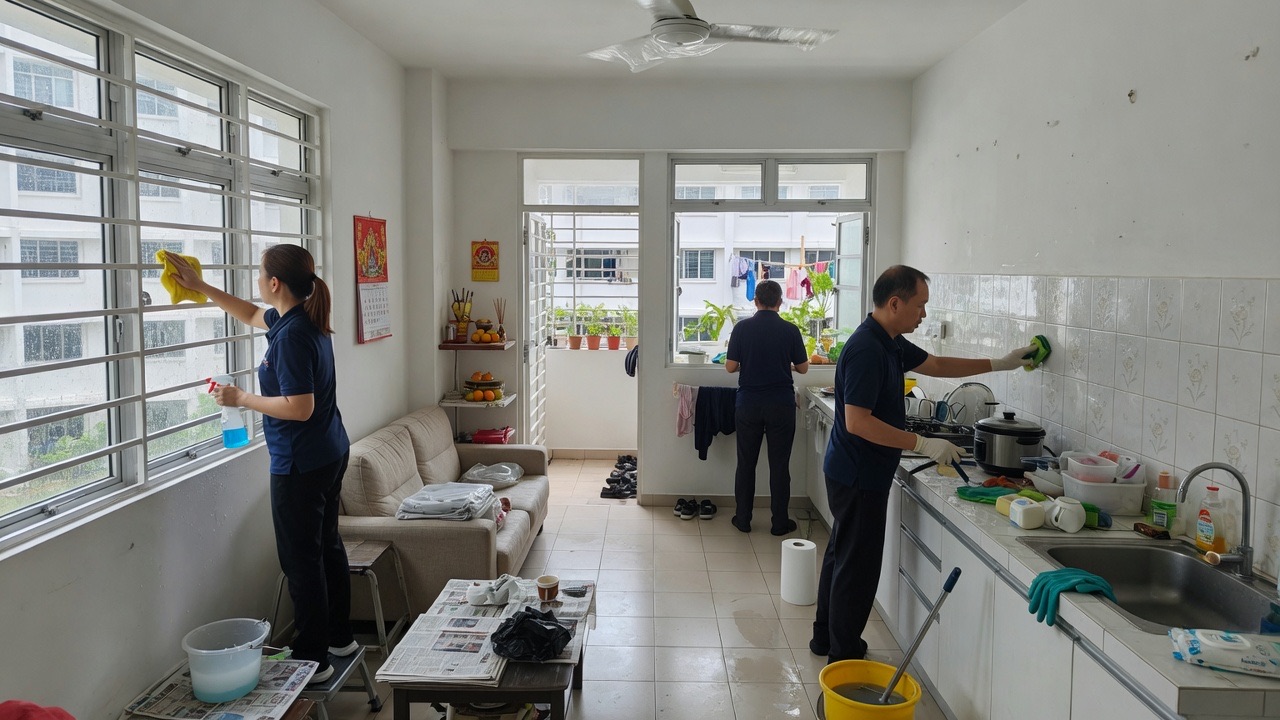
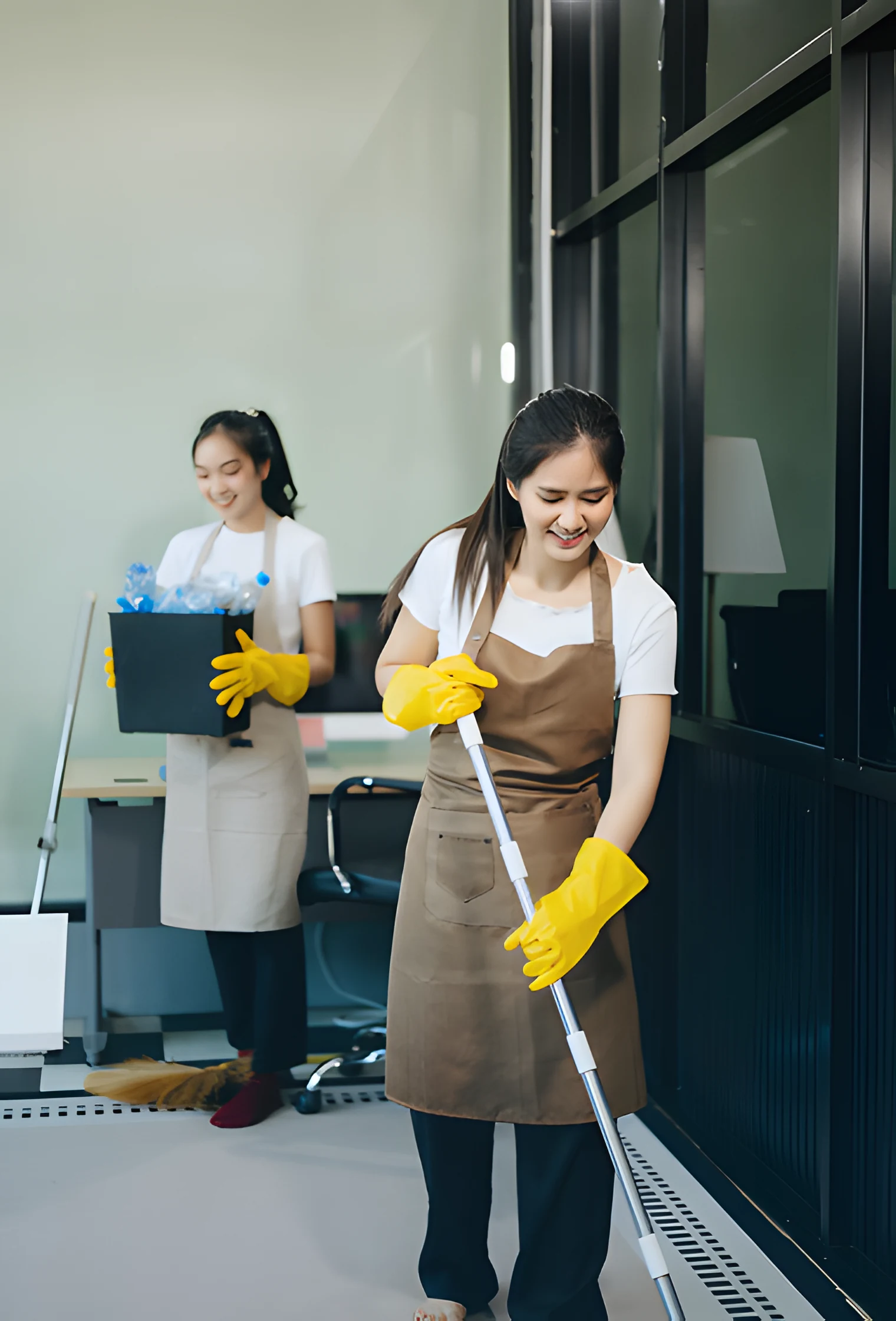
If sneezing continues after a honest filter reset, the rest of the flat is feeding the unit. That is the moment a structured deep clean of soft furnishings, high surfaces, and under-bed zones starts to matter as much as the plastic grille. Teams that work top-to-bottom with HEPA-capable vacuuming and colour-coded cloths reduce the reservoir the aircon keeps remixing. For homes that are overdue across rooms, not only the wall unit, a booked spring cleaning service can reset the dust load the machine would otherwise keep throwing at your face.
When sneezing points past DIY and toward a full dust reset
Some signals mean the weekend kit has reached its limit. Everyone in the room sneezes within minutes of the unit starting, even with freshly washed filters. Grey discharge marks reappear on the wall within days. The blower looks furred and you cannot reach it safely. A child or older adult has worsening night cough in the air-conditioned bedroom only. Post-renovation dust still films every horizontal surface no matter how often you mop.
Licensed aircon specialists own coil cleaning, chemical wash, gas checks and drainage repairs. Home cleaners own everything that sheds dust into that system: mattresses and upholstery that offload skin cells, curtain stacks, wardrobe tops, window tracks, ceiling fans, and the fine film on LED trunking. Skipping either side leaves the sneeze in place. Dual-income households already short on time gain more from a planned quarterly deep clean cadence than from heroic Sunday marathons that burn out in a month.
Choosing who handles those surfaces matters as much as the clean itself. Trust still matters when someone else handles the high surfaces around your bed. Prefer NEA-licensed companies with background-checked, insured crews rather than anonymous marketplace faces you brief from scratch each visit. Ask what happens to high dust, whether cloths stay zone-separated, and how they handle homes with kids or pets. Payment after you see the work and a clear re-clean stance remove the usual fear that a rushed pass will leave the same grey blast on Monday night.
What MCAAS clients say after their first deep dust reset
"Thanks to Munisha and team for their top notch service. Entire house was spotless and they are able to fulfil ad hoc requests for cleaning and moving as well. Highly recommended Positive: Punctuality, Quality, Professionalism Services: Deep clean, Moving-related cleaning"
- Sanjeev
"I recently engaged their professional cleaning service and is very satisfied with their work. Ms Munisha took the effort to update me on the work progress as they carried out their work. Will definitely engage them again for future cleaning services."
- Louis Kok
"Suria and her team did a great job in my place for post-renovation cleaning, which I was quite apprehensive in undertaking myself as age is catching up with me. Very very thankful for them and their hard work in taking the brunt of a tough job. Positive: Quality, Professionalism, Value Services: Deep clean"
- Julia Chua
"Arun and team was very punctual and professional in getting my king sized mattress cleaned. I was initially worried as my kid has a few urine stains from the most recent 2 days ago to 4 years back stains. But the end product after less than 1 hour looked almost new, the room smelled fresher, and our night-time sneezing around the aircon calmed down within a few days. Highly recommended."
- Elaine Thio
Frequently asked questions: aircon dust and sneezing in Singapore
Why do I sneeze when the aircon starts even after I mopped the floor?
The indoor unit recirculates whatever sits on filters, blower surfaces and nearby high dust. Floors can look fine while the discharge still throws fine particles at face height. Clean filters and the dust reservoirs in the same room together.
How often should I wash split-unit filters in a HDB bedroom?
Monthly is a solid default for nightly use. Heavy cooking smell drift, pets, renovation dust or haze weeks may need a two-to-three week rinse. Always dry filters fully before refitting in our humidity.
Is rinsing filters enough to stop the sneezing my Singapore flat gets every night?
It cuts a large share of the load but not all of it. Blower grime, drain odour and room-wide dust still matter. Pair filter care with high-surface dusting and schedule professional aircon servicing when coils look dark or airflow stays weak.
Can mould in the aircon cause the same symptoms as dust mites?
Both can irritate nose and throat. Visible black growth, persistent musty smell or past overflow stains deserve a technician inspection, not only a home wipe. Keep indoor humidity in a healthier band and do not block the unit's airflow with furniture.
Should I run dry mode to fix sneezing?
Dry mode reduces moisture but does not remove dust already trapped on coils and filters. After renovations it can bind fine particles deeper if you never clean the housing. Use dry mode as a humidity tool after filters and the room are already addressed.
Do I need a full home deep clean or only an aircon service?
Service the machine for mechanical and coil hygiene. Deep clean the flat when soft furnishings, fans, curtains and under-bed zones are clearly feeding the unit. Many sneeze complaints need both on a staggered schedule.
What if my unit is in the master bedroom and only that room triggers symptoms?
Treat that room as a closed loop: mattress and bedding, curtains, wardrobe top, and the wall unit. Allergen load is often room-specific even when the rest of the house feels acceptable.
Conclusion
We at MCAAS Solutions know the particular frustration of a wall unit that promises relief and delivers a sneeze instead - cool air should settle a Singapore night, not scratch the back of your throat. When a dusty aircon keeps stacking up sneezing nights across Singapore homes, the fix is rarely one heroic wipe; it is cleaner filters, less room dust feeding the fan, and help when the job climbs above the safe DIY line.
Contact us at +65 8834 2867, send a quick note on WhatsApp, or visit our spring cleaning service to book a top-to-bottom dust reset that supports healthier air between your next aircon service visits.