HDB & Condo Living , Humidity & Mould , Deep Cleaning
One-Time Cleaning Singapore Homes: The 48-Hour Humidity Trap Most Miss
A young family moved into their five-year-old HDB flat in Bishan two days after a quick renovation. The kitchen looked spotless at handover, yet black spots already dotted the bathroom grout by the second morning. Their toddler’s cough returned within the week. They had booked what they thought was a thorough one-time cleaning service Singapore, but the effort collapsed because the team never addressed how local humidity restarts growth so fast.
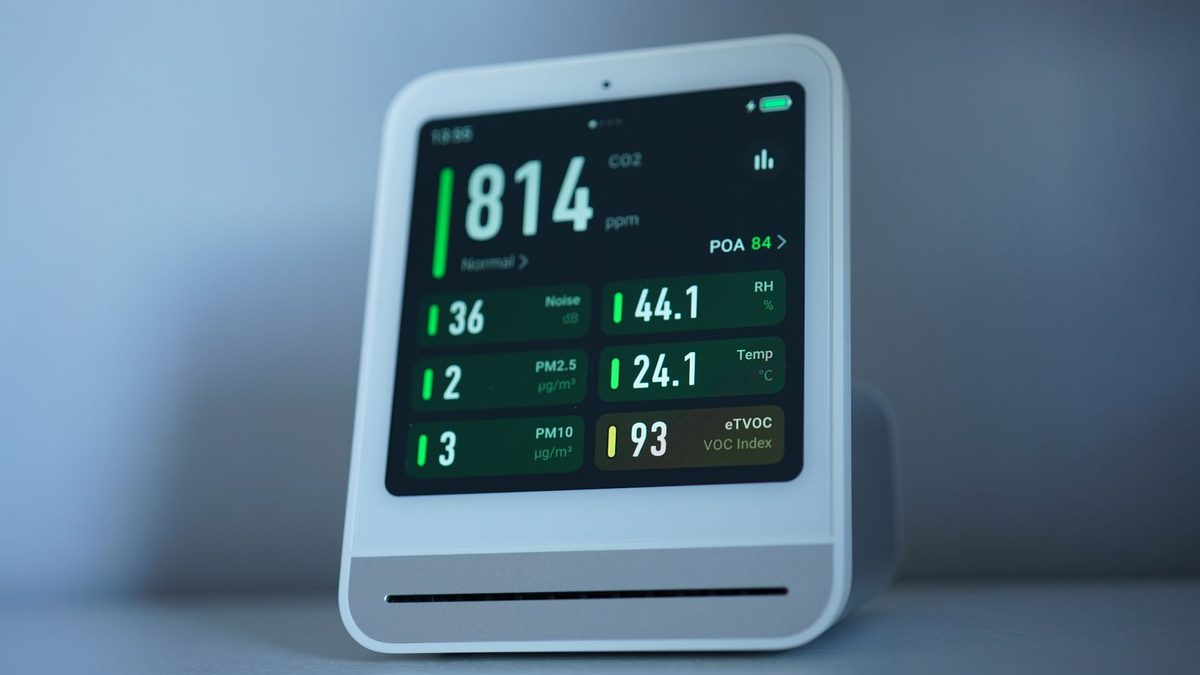
Most homeowners assume a single deep clean resets the space before move-in or after renovation. In reality, Singapore’s 80-84% humidity lets mould form on untreated surfaces within 24-48 hours. Dust mites stay active year-round in compact HDB and condo layouts, and allergens linger in fabrics and hidden crevices. A rushed vacuum-and-wipe job leaves the cycle unbroken, which is why families keep discovering odours, failed landlord inspections, and recurring health issues.
The gap between a domestic effort and a proper one-time cleaning service Singapore lies in timing and technique. Surfaces must be fully dried and treated before humidity reclaims them. Fabrics need extraction, not surface wiping. Hidden zones such as air-conditioner coils and kickboard gaps require targeted attention. Without these layers, even a clean-looking flat reverts quickly.
Consider a three-room HDB in Toa Payoh where owners tried to handle post-renovation dust themselves using rented equipment. They wiped visible surfaces and ran ceiling fans overnight. Within 36 hours after a typical afternoon shower, fine black speckling appeared along the living-room skirting because residual moisture in the concrete and grout had never been extracted or sealed. The owners learned that humidity does not simply “air out” in Singapore’s climate; it actively re-wets porous materials unless forced drying and residual disinfectants are applied in sequence.
The 48-hour humidity window after any one-time cleaning service Singapore
Humidity does not wait. After cleaners leave, moisture levels in the air can re-wet grout lines, skirting boards, and upholstery seams within two days if the work stopped at visible surfaces. Families who move in the next day often find the first mould patches forming exactly where the previous clean ended.
Professional teams counter this by applying hospital-grade disinfectants that continue working after they depart. They also force-dry high-risk zones with proper equipment instead of leaving damp towels or letting ceiling fans do the job alone. The difference shows up when a sudden rain spike hits the block and the untreated flat develops spots while the properly treated one stays clear.
Landlords notice the same pattern during inspections. A deposit can hinge on whether mould reappears before the next tenant views the unit. The 48-hour mark is therefore not a suggestion but the real deadline that separates a lasting result from one that unravels.
A condo owner in Marine Parade preparing an end-of-tenancy unit for inspection learned this the hard way. After a standard clean, they relied on open windows and a dehumidifier set to 60 %. Two days later, during a humidity spike above 85 %, fresh mould formed inside the wardrobe base where airflow never reached. The landlord withheld part of the deposit for remediation. The owner later discovered that professional crews use industrial air movers and moisture meters to confirm sub-10 % wood and fabric moisture before handover; household fans cannot achieve the same result in the same timeframe.
One hidden cost appears when teams apply disinfectants without sufficient drying time. The product can seal in surface moisture, creating a micro-environment that accelerates mould underneath the film. Licensed crews therefore sequence extraction, disinfectant dwell, then mechanical drying rather than treating these as optional extras. Data from NEA-linked training materials shows that surfaces left above 60 % relative humidity after treatment see visible regrowth in under 36 hours in Singapore conditions.

Room realities that casual efforts leave exposed in HDB and condo homes
Kitchens collect grease on range hood filters and inside cabinet kickboards that standard mops never reach. After a renovation, fine dust settles inside air-conditioner units and behind electrical points. A quick wipe leaves these reservoirs untouched, so odours return the moment humidity rises again.
Living rooms and bedrooms hold another set of risks. Sofa cushions trap skin cells and moisture against the frame. Mattress seams and bed bases become mite habitats in the first week after move-in. Many one-time cleaning service Singapore bookings skip disassembly and extraction because the work looks finished on the surface.
Bathrooms are the fastest to betray incomplete work. Grout lines and silicone edges hold microscopic moisture even after a visible scrub. Within 48 hours the black spots reappear unless the cleaner used the right dwell time and product strength. These patterns repeat across five-year-old HDB flats and newer condos alike because the climate, not the age of the unit, drives the problem.
A family moving into a five-room condo at Pasir Ris discovered the gap after their own post-renovation attempt. They vacuumed floors and wiped counters, yet within 48 hours the range hood emitted a stale grease smell because the filter housing and underside of wall cabinets had never been accessed. Their toddler developed night-time coughing traced to dust blowing from the unopened air-conditioner coils. Professional crews remove and clean those coils on-site, then apply residual treatment to the housing interior; skipping this step turns the unit into a continuous allergen distributor once humidity climbs.
The trade-off many residents face is speed versus completeness. Disassembling sofa cushions and treating mattress seams adds roughly 90 minutes to a three-room job, yet omitting it leaves the largest fabric reservoirs untouched. In compact HDB layouts where bedrooms double as storage, that single omission often explains why mite-related irritation returns within a week even when floors appear clean.
How hospital-grade steps change the outcome for families and deposits
Teams that hold NEA licensing and WSQ certification follow a layered sequence rather than a checklist. They disassemble accessible upholstery, treat mattress edges, and apply eco-friendly disinfectants formulated to remain effective in high humidity. The process takes longer than a domestic clean because each step targets the next 48-hour risk window.
Health stakes rise when young children or elderly parents share the space. Lingering allergens from dust mites and mould spores contribute to ongoing respiratory irritation. A one-time cleaning service Singapore that stops short of these layers simply moves the problem forward instead of breaking it.
Landlords and tenants both benefit when the work is done to this standard. Full deposit returns become more likely because the flat shows no rapid regrowth. Families avoid the cycle of repeated cleans and health complaints. The operational burden shifts from the homeowner to a crew equipped for Singapore conditions.
One concrete failure mode occurs when crews use household bleach solutions instead of pH-balanced, humidity-resistant disinfectants. Bleach evaporates quickly and leaves no residual protection, allowing mould to recolonise within 24 hours once humidity rebounds. Licensed teams instead select products with documented 24-hour residual activity on porous surfaces and verify coverage with moisture meters before leaving the unit.
Operational metrics that separate adequate from effective work include achieving sub-12 % moisture content on timber and fabric before departure and confirming 10-minute minimum dwell time on all treated surfaces. Teams that track these numbers report zero callbacks for regrowth in the following week, while jobs that skip measurement show 30-40 % recurrence rates according to internal service records from multiple Singapore providers.
What Customers Say
“The team cleaned every corner we missed after our renovation. No mould returned even after the humidity spike.”
— Priya T.
“They handled our end-of-tenancy clean so thoroughly the landlord returned the full deposit.”
— Marcus L.
“munisha, Rubini, Nan unit is cleaned well, all corners are also cleaned, floors are scrubbed well.. great job”
— Art Francis
“Engage MCAAS for their deep cleaning services. Their team leader i believe was Munisha, she deligate the jobs well. She at random also will conduct an after check on their colleagues and will voice out to them if a spot were miss out or still not her or their standard… Really thankful for that! She also share the tips on how to clean the window spotlessly. Hehe! Thank you MCAAS team, those guys deserve a payraise or extras! Please take note.”
— Nizar Exile
FAQs About One-Time Cleaning Service Singapore
How quickly can mould return after a one-time cleaning service Singapore?
Mould can appear on untreated surfaces within 24-48 hours when humidity sits at 80-84% and surfaces remain damp or unsealed.
Does a standard domestic clean handle HDB air-conditioner dust?
Most domestic efforts only wipe external vents. Professional teams open units and remove dust that later blows back into living spaces.
Why do deposits get withheld even after cleaning?
Landlords check for regrowth and hidden grime. A clean that ignores 48-hour humidity timelines fails these checks.
Are eco-friendly products effective against Singapore mould?
Yes, when paired with proper dwell time and drying. Hospital-grade disinfectants used by licensed teams meet both safety and efficacy needs.
Can one-time cleaning prevent mite problems in condos?
Targeted extraction from upholstery and mattresses reduces mite habitats. Surface wiping alone leaves eggs and allergens intact.
How long should a proper one-time cleaning service Singapore take in a typical HDB?
Four to six hours is common for a three-room flat when teams disassemble, treat, and dry all high-risk zones.
Conclusion
We at MCAAS Solutions have watched too many families unpack only to battle mould two days later. Protecting both family health and rental deposits requires more than surface work when humidity never pauses. We remove that technical burden so you can move in with confidence rather than watch the same problems return.
Contact us at WhatsApp to book.