Cleaning Tips , HDB & Condo Living
Singapore Carpet Shampooing: The Humidity Trap That Revives Stains in 48 Hours
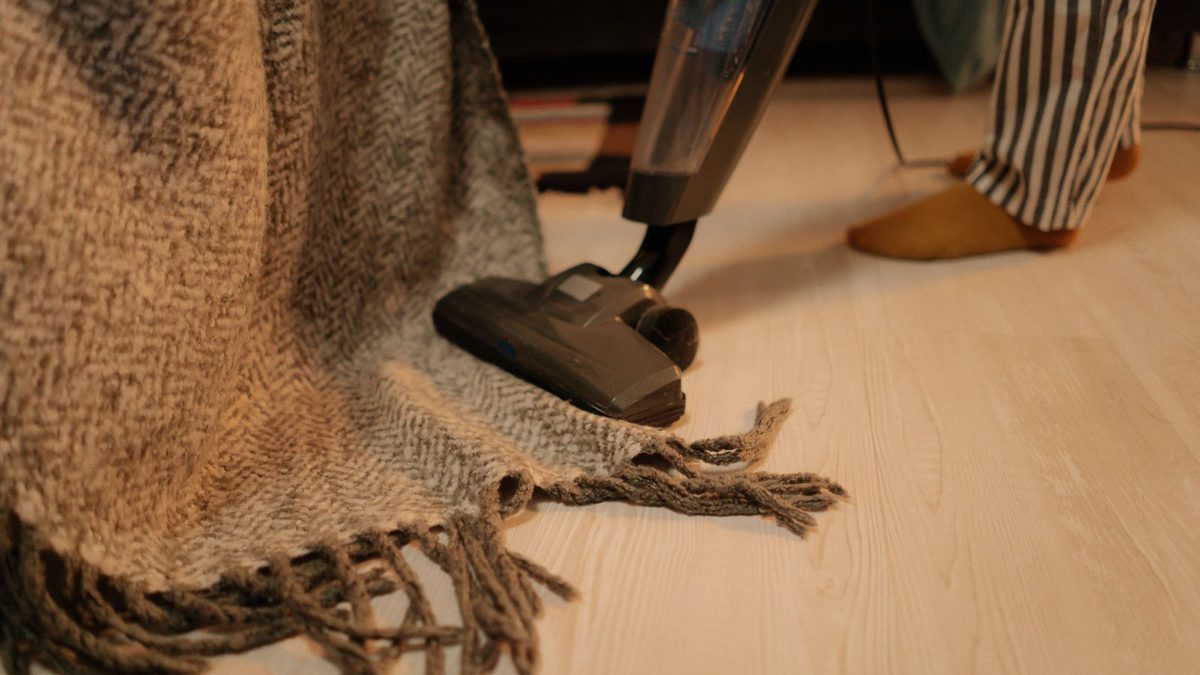
A family in a five-room HDB flat near Bishan spent a full Saturday moving furniture and running a rented carpet shampoo machine across the living-room floor before their new tenants arrived. Two days later the agent walked in, sniffed the air, and pointed at faint grey patches along the skirting that had not been there on handover day. The carpet had looked clean when they finished, yet the humidity had done its work again.
Carpet shampooing Singapore jobs face a narrow window that most homeowners never see coming. In 80-84 % humidity, any moisture left in the backing or between fibres starts to feed mould spores and dust mites within 24-48 hours. What felt like a finished job on Saturday night can smell musty by Monday morning and fail a landlord inspection by Tuesday. The problem is not the visible dirt; it is the invisible layer of water that never fully evaporates in enclosed HDB or condo rooms.
Standard residential machines and basic service crews often stop at surface agitation and suction. They leave behind enough residual dampness for the carpet to become a small incubator. Dust mites that already live in the backing simply wait for the right conditions to multiply again. Families notice the return of the musty odour first, then the small dark spots that appear along walls where airflow is weakest.
The 48-hour window that turns a clean HDB carpet into a mould risk
After any shampooing session the real test begins once the team packs up. In Singapore’s climate an average living room with windows closed can take more than 12 hours for the carpet to drop below the moisture threshold that mould needs. If the flat sits vacant or the air-conditioning is off, that timeline stretches further. The family in Bishan had opened the windows for an hour each evening, yet the carpet still held pockets of water near the concrete slab. By the time the agent arrived the spores had already begun to show.
Landlords and agents have seen this pattern repeatedly. A carpet that passes a quick visual check on day one can trigger complaints about odour on day three. The issue is not laziness on the homeowner’s part; it is the physics of slow evaporation inside concrete-walled rooms that rarely drop below 70 % relative humidity even with fans running.
One condo owner in a 1,200 sq ft unit at Kallang experienced the same failure after a weekend clean before a sale viewing. They ran two standing fans overnight and left the balcony door ajar, yet the carpet backing stayed above 18 % moisture content when measured with a pin meter on Monday. The agent noticed a faint mildew scent near the built-in cabinets where air circulation was blocked by furniture placement. The lesson was that surface airflow alone cannot overcome the thermal mass of the concrete slab underneath; without active moisture removal the 48-hour window simply resets.
A hidden cost appears when teams attempt to accelerate drying with excessive heat. Older synthetic carpets can shrink or delaminate at the seams when hot air movers sit too close for too long, creating new ridges that collect dirt faster than before. The trade-off forces operators to balance extraction volume against temperature, often requiring a second visit 24 hours later to verify the carpet has stabilised below the 12 % moisture threshold that stops spore germination in local conditions.
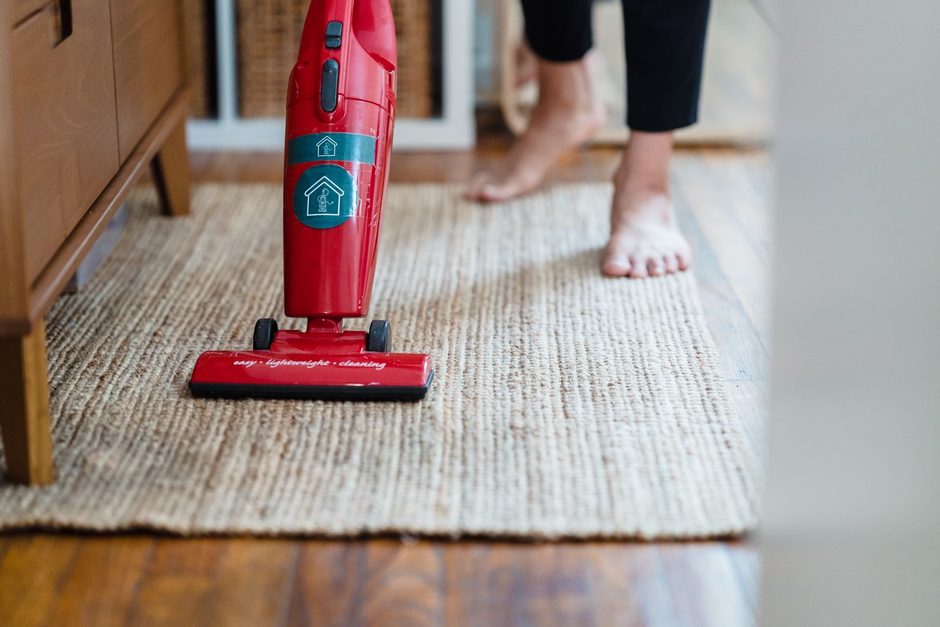
Why ordinary shampooing leaves dust mites untouched in the backing
Most household machines and entry-level services apply solution and extract only what sits near the surface. The deeper fibres and the felt backing retain fine dust and mite waste that the water simply redistributes. In year-round Singapore conditions those mites do not die from a single wash; they wait for the next moisture cycle. A condo owner in Tanjong Pagar once described the same carpet looking spotless after a weekend clean, only for allergy symptoms to return within a week because the mite population had never been reduced.
Proper extraction requires equipment that pulls water from the base layer at higher pressure and volume than consumer units provide. Without that step the carpet never reaches the dry state that stops biological activity. Colour bleeding on older synthetic piles adds another complication when too much solution sits too long, yet rushing the process leaves the moisture problem unsolved.
Studies on local dust-mite populations show that Dermatophagoides pteronyssinus can survive in carpet backing at moisture levels as low as 14 % when relative humidity stays above 75 % for even part of the day. A basic shampoo pass often raises that internal humidity temporarily, giving mites a brief breeding window before the surface dries. The result is a carpet that passes visual inspection but still harbours elevated allergen loads measurable by dust sampling within 72 hours.
Another operational reality surfaces with HDB carpets installed over vinyl or concrete screed. The impermeable subfloor prevents downward wicking, so any residual water must exit upward through the pile. Entry-level machines rarely generate the 150–200 inches of water lift needed to overcome that resistance, leaving a persistent damp band at the backing interface that reactivates both mites and embedded grime on the next humid afternoon.
The extraction and drying steps that actually survive local conditions
Teams that handle carpet work regularly in Singapore follow a sequence that goes beyond visible cleanliness. They pre-treat traffic lanes, apply solution in controlled passes, then use industrial extraction to remove as much liquid as the backing will release. Immediately after, they position air movers and dehumidifiers to force evaporation before mould can colonise the damp fibres. The process can stretch across two visits when the flat has poor airflow or the carpet is older and thicker.
DIY attempts and basic one-day services rarely include the second-day check or the dehumidification stage. That gap is exactly where the humidity trap reopens. Homeowners who schedule only surface shampooing often discover the same cycle repeating before the next inspection or family gathering.
In practice the sequence begins with a pre-inspection moisture reading using a non-destructive meter. Technicians then run a heated solution at 60–65 °C through a wand with 150 psi spray pressure, followed immediately by a high-recovery extractor pulling 180 inches of lift. Air movers are placed at 45-degree angles along the longest walls while a 30-litre commercial dehumidifier maintains 45–50 % room humidity. A follow-up visit the next morning checks that internal carpet moisture has dropped below 10 %, at which point the risk of 24-hour mould reactivation drops sharply.
The main failure mode occurs when operators skip the second-day verification to save time. In one Marine Parade resale flat the carpet passed the first-day visual test yet registered 16 % moisture near the window wall; mould colonies appeared along the skirting within 36 hours. The cost of that shortcut was a full re-clean plus tenant compensation, illustrating why the extraction-plus-dehumidification protocol must be treated as a single continuous process rather than two separate jobs.
What Customers Say
“The carpet looked clean but smelled damp again after two days. MCAAS came back with proper extraction and it stayed fresh.”
— Priya T.
“Thanks to Munisha and team for their top notch service. Entire house was spotless and they are able to fulfil ad hoc requests for cleaning and moving as well. Highly recommended Positive: Punctuality, Quality, Professionalism Services: Deep clean, Moving-related cleaning”
— Sanjeev
“Mercy did a great and thorough job in cleaning our 4 rm resale flat after Reno! She was very meticulous and took great care of the house when cleaning it for the entire day. 10/10 would recommend and we are very pleased with her work! Job well done!”
— Jonathan Koh
“Had recently engaged Munisha and her team for end of tenancy deep cleaning. The team was professional and managed the tasks well to our and most important LL’s agent. Though it was too late, they were patient enough to listen to LL’s agent and address her concerns as well.”
— Rajesh Kamath
FAQs About Carpet Shampooing Singapore
How long does it take for moisture to cause mould after carpet shampooing in Singapore?
Mould spores can begin to grow within 24-48 hours when residual water remains trapped in the backing, especially in rooms that stay above 70 % humidity.
Can a regular home machine remove enough water from HDB carpets?
Consumer units usually lack the extraction power needed to pull moisture from deeper fibres and the felt layer, leaving enough dampness for mites and odour to return.
Why do carpets sometimes smell musty again two days after a professional clean?
Basic shampooing often stops at surface cleaning; without industrial extraction and forced drying the humidity reactivates embedded grime and biological material left behind.
Is colour bleeding a common risk during carpet shampooing here?
Older carpets can bleed when too much solution sits for too long, which is why controlled application and rapid removal matter in Singapore’s climate.
Do dust mites survive a standard carpet wash?
Yes, mites living in the backing are rarely eliminated by surface-level work and quickly multiply again once moisture returns.
What makes extraction and dehumidification different from ordinary shampooing?
Extraction pulls water from the base layer under higher pressure, and dehumidifiers then drop room humidity fast enough to prevent the 48-hour reactivation window.
Conclusion
We at MCAAS Solutions have watched the same pattern play out across hundreds of HDB and condo units: a carpet that looked finished on the day of service can fail two days later if the moisture is not fully removed. Our upholstery cleaning service includes the extraction passes and drying equipment that keep the fibres dry enough to break the humidity cycle. Book a proper assessment this month so the carpet stays fresh through the next inspection or move-in. Reach us on WhatsApp.