Humidity & Mould , HDB & Condo Living
Sengkang humidity cleaning tips for canal-side HDB flats

Eighty-eight percent relative humidity by 7am - that's what the hygrometer on a Fernvale Street kitchen windowsill showed last Tuesday, before anyone in the flat had even boiled water for coffee. Nobody had opened a window yet. Nobody had cooked anything. The number was just sitting there, a reminder that Sengkang's air carries more moisture before breakfast than most countries see all day. If you're hunting for Sengkang humidity cleaning tips that actually hold up past the first dry afternoon, the starting point isn't a stronger spray or a scented wipe. It's understanding why this particular estate, ringed by waterways and still full of relatively young concrete, behaves differently from older, drier pockets of the island.
Sengkang sits close to Sungei Punggol, the Punggol Reservoir catchment, and a dense network of park connectors and canals that thread through Compassvale, Anchorvale, Rivervale and Fernvale. Water nearby means more evaporation, more still air pockets between blocks, and slower drying times for anything damp - a bath towel, a grout line, a wardrobe shelf. Add in the fact that many Sengkang BTOs were completed within the last fifteen years, and you've got concrete that's still releasing residual moisture from the original pour, a process that can quietly continue for years after key collection. NEA's long-term data puts Singapore's mean relative humidity in the high 70s to 80s percent range, with mornings regularly hitting 90 to 95 percent - and estates near open water tend to sit at the higher end of that band rather than the lower one.
The health stakes are real, not theoretical. Mould colonies can establish themselves within 24 to 48 hours once a surface stays damp, and in a household with young kids or anyone with asthma or eczema, that's not a cosmetic problem - it's a respiratory one. Dust mites, which thrive year-round in Singapore's humidity regardless of season, multiply fastest in exactly the conditions Sengkang supplies in abundance: warm, damp, and still. The good news is that most of what drives mould and grime in this estate is controllable once you know where to look. The next sections walk through the specific zones, habits, and weekend routines that make a measurable difference.
Why canal-facing blocks in Rivervale and Compassvale hold moisture longer
Walk along the park connector between Rivervale Crescent and Sengkang Riverside Park on a still afternoon and you'll notice the air feels thicker than it does a ten-minute walk inland. That's not imagination. Units facing the canal or the reservoir catchment get less direct afternoon sun on certain orientations, and the surrounding greenery - while lovely from the balcony - slows the air movement that would otherwise help surfaces dry. Lower-floor units in these blocks, and units with bedrooms backing onto landscaped slopes, tend to report wardrobe and skirting mould complaints more often than units facing the main roads with fuller sun exposure.
Then there's the bomb shelter, standard in nearly every Sengkang flat built in the last two decades. These storerooms are designed with thick reinforced concrete and, by design, close to zero natural airflow when the door is shut. Specialist assessments repeatedly flag that the overwhelming majority of household shelters have ventilation issues baked into the original design - it's not a flaw unique to your flat, it's how the room was built. Combine that with Sengkang's ambient humidity and a shelter used to store cardboard boxes, old mattresses, or out-of-season clothes becomes close to a guaranteed mould generator within a single monsoon stretch.
HDB also logged roughly 240 feedback cases nationwide in 2025 related to neighbours' air-con condensation dripping onto shared walls and ceilings, a problem that shows up disproportionately in densely stacked newer estates like Sengkang where units share more wall surface per block. If you've noticed a damp patch near a shared wall that nobody in your own flat seems to be causing, that's worth raising with your town council before it becomes a mould patch you're paying to fix for a problem you didn't create.
The daily five-minute habits that keep Anchorvale and Fernvale kitchens dry
None of this requires buying new equipment. It requires doing a handful of small things consistently, which is harder than it sounds when you're juggling two jobs and a toddler. Here's the realistic version, the one that survives a 50-hour work week:
- Run the bathroom exhaust fan during every shower and leave it on for a further 15 minutes afterward - this single habit does more to stop grout and silicone discolouration than any cleaning product you'll find at the supermarket.
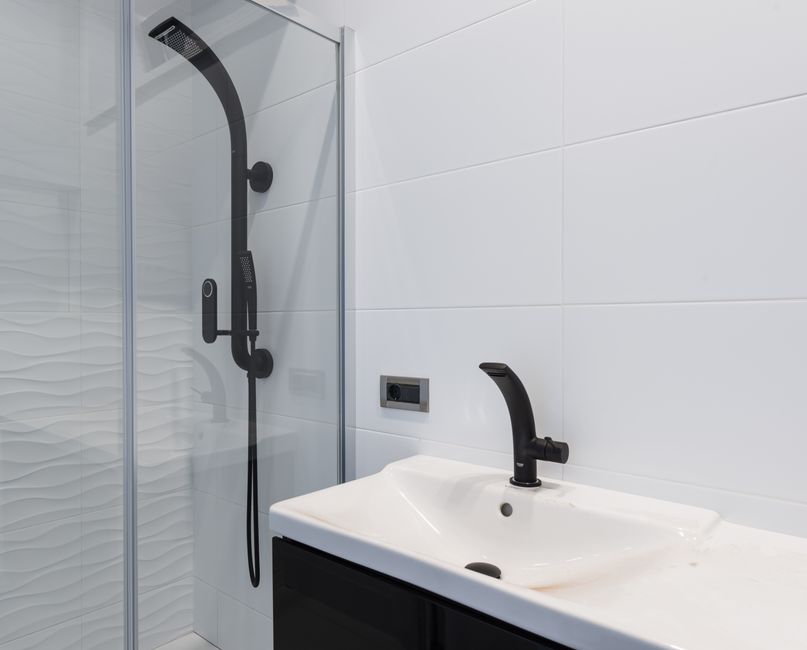
- Squeegee the shower glass and wall tiles immediately after use; standing water left on tile for even a few hours gives mould spores the moisture window they need to take hold.
- Pull furniture, especially wardrobes and bed frames, 5 to 10 centimetres away from exterior walls so air can actually circulate behind them instead of trapping a cold, damp pocket you'll only discover months later.
- Open wardrobe doors for a couple of hours on dry afternoons, particularly after a stretch of rain, to let trapped moisture escape before it settles into fabric and wood.
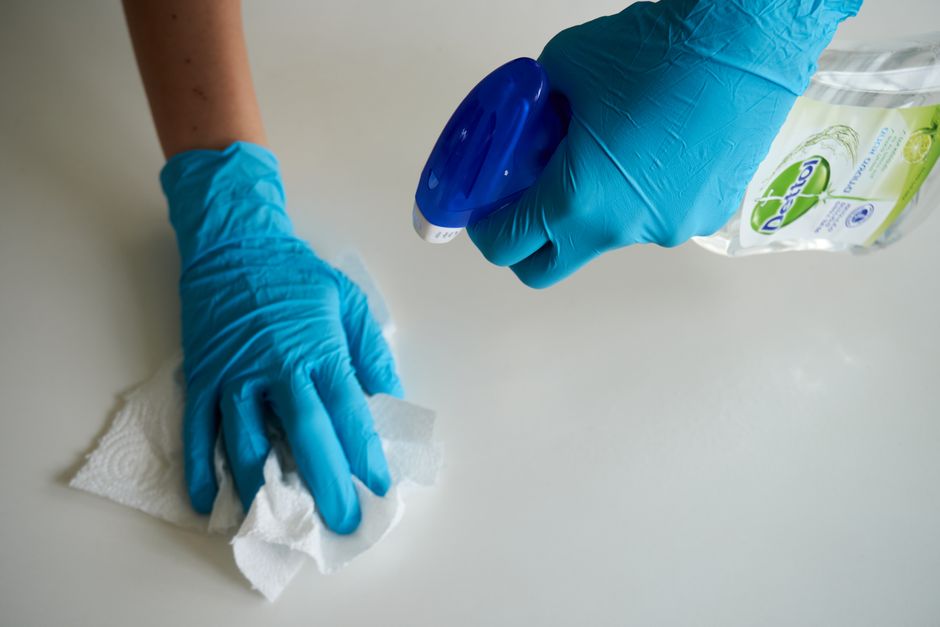
- Wipe down the kitchen backsplash and hob straight after cooking rather than letting steam and oil settle together overnight - the combination of grease and condensation is what turns a quick wipe into a scrub.
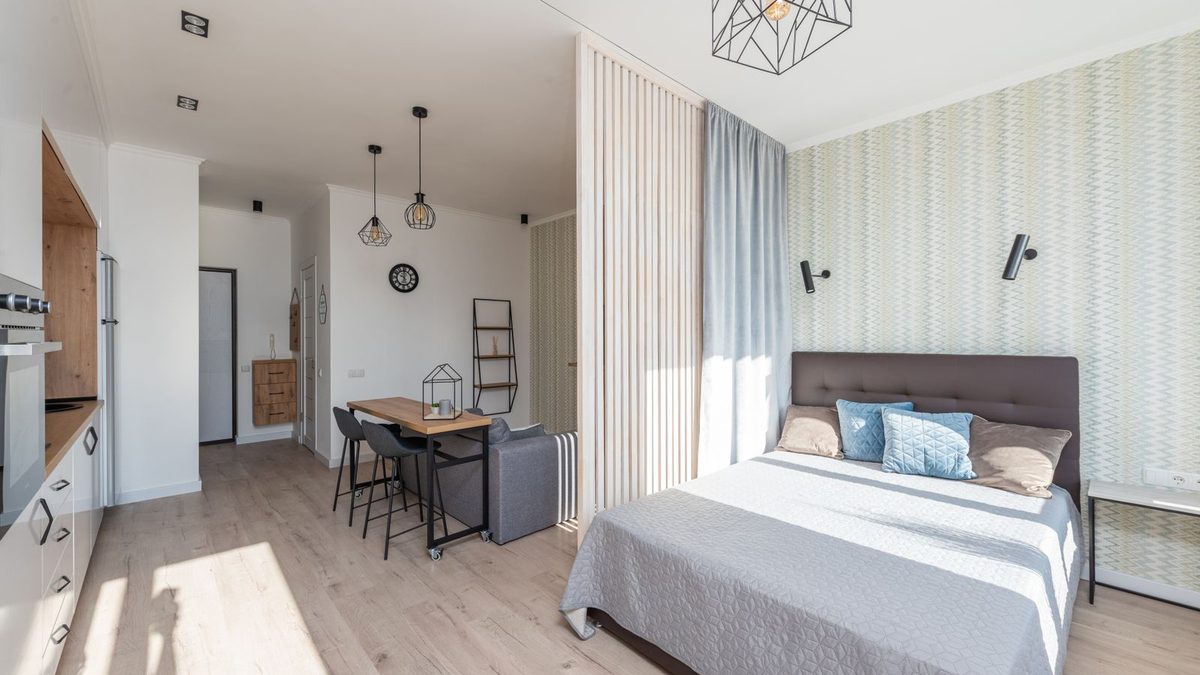
On the kitchen side specifically, the exhaust hood deserves more attention than it usually gets. The exterior panel can look spotless while the metal mesh filter underneath is caked solid - this is consistently the single biggest source of lingering grease smell in HDB kitchens, Sengkang included. Soak that mesh filter every one to two weeks if you're cooking most nights, and if your hood uses a charcoal or carbon filter for recirculation, swap or clean it every three to six months. Skip this and no amount of surface wiping will stop the smell from drifting into the living room, especially in open-concept layouts common in newer Sengkang flats.
A weekend routine for the rooms a quick wipe-down always misses
Daily habits handle the surfaces you see. The rooms that quietly deteriorate are the ones you don't look at every day - the bomb shelter, the service yard, the window tracks. Once every two to three weeks, this routine covers the gaps:
- Open the bomb shelter door and run a small fan or the household exhaust toward it for at least an hour, especially after a stretch of heavy rain, to push out the stagnant air that's been sitting in a sealed concrete box.
- Check behind and underneath the washing machine in the service yard for slime or a musty, faintly sewer-like smell around the floor trap - this is one of the most commonly missed damp zones in Sengkang flats and it rarely announces itself until the smell is already noticeable from the living room.
- Run a hygrometer check in the main bedroom and living room; if either reads consistently above 70 percent, a dehumidifier running four to six hours a day, or continuously in a problem room, will bring it down toward the 55 to 60 percent range that stops mould from re-establishing.
- Vacuum and wipe window tracks and grilles, which trap both outdoor dust and condensation runoff, particularly on units facing the canal or landscaped slopes where airflow is naturally slower.
- Pull out any furniture sitting flush against an exterior wall, even briefly, to check for the tell-tale dark speckling that signals mould has already started behind it.
If you've gone through this list and still find mould returning within days, or a smell that won't lift no matter how often you scrub, that's usually the point where DIY sprays stop being enough. A professional reset that actually gets into the mesh, the grout, the shelter, and the service yard trap - not just the floors - tends to be what finally breaks the cycle, which is where a team like MCAAS Solutions comes in for Sengkang households that have tried the habit changes and still need a reset.
What Customers Say
"Took a spring cleaning service for my condo. I appreciate Ms. Aman Preet for her dedicated work. The floor is shining and spotless, kitchen is degreased. Thank you. This is my 2nd time using their services and I will definitely choose them again."
- Mamta M
"They did a good job ahead and they has good supervisor by the name Suria. She is good in cleaning. They scrab the floor and wall for the whole house. The toilet is awesome. Overall is very awesome job by the Company Cleaning."
- Ayu Syahwal
"Excellent work by Mercy. The house has never been this clean before. We are extremely fortunate to engage Mercy for our house cleaning. She is meticulous in cleaning every nook and cranny of the house. It looks like a brand new house after the cleaning. She also gave us many helpful tips on cleaning and house maintenance."
- Ryan Chong
FAQs About Sengkang Humidity Cleaning Tips
Why does Sengkang feel more humid than estates further from the water?
Proximity to Sungei Punggol, the Punggol Reservoir catchment, and the park connector network means more evaporation and slower air movement around blocks, especially on canal-facing or lower-floor units.
Is a dehumidifier really worth the electricity cost?
Running one for four to six hours a day in a problem room typically costs a fraction of what a mould remediation job or replacing mould-damaged items would run, and it keeps relative humidity in the 55 to 60 percent range where mould struggles to establish.
My bomb shelter smells musty even with the door closed most of the time - what's going on?
These storerooms are built with thick concrete and essentially no natural airflow by design, so a closed door traps humidity rather than keeping it out. Opening it periodically with a fan directed inside makes a real difference.
How often should I actually clean the kitchen hood filter?
Soak the metal mesh filter every one to two weeks if you cook most nights, and clean or replace a charcoal filter every three to six months. The mesh is almost always the real source of lingering grease smell, not the hood's exterior panel.
Could my neighbour's air-con be causing damp patches on my wall?
It's possible. HDB received around 240 feedback cases nationwide in 2025 related to condensation from neighbouring air-con units affecting shared walls and ceilings, which is more common in densely stacked estates like Sengkang.
Do I need to change my cleaning products for humid conditions, or just my habits?
Habits matter more than products for day-to-day prevention. For recurring or established mould, particularly in grout, mattresses, or a storeroom, professional-grade treatment and proper drying time tend to outperform supermarket sprays used alone.
Conclusion
We at MCAAS Solutions have walked into enough Sengkang flats to know that the humidity here isn't a personal failing - it's the water, the concrete, the geography, all working against you at once. What changes the outcome isn't luck, it's consistency: the exhaust fan left on a little longer, the wardrobe door opened on a dry afternoon, the hood mesh actually soaked instead of wiped. When the habits aren't enough on their own, or the mould has already settled into a corner you can't reach with a cloth, that's the moment to bring in a team that treats humidity as the root cause rather than the smell as the symptom. Contact us at +65 8834 2867, send a quick note on WhatsApp, or visit our spring cleaning service to book a reset that accounts for exactly the conditions your Sengkang flat is dealing with.