Humidity & Mould , HDB & Condo Living
Why humidity cleaning matters more in a Singapore studio fla
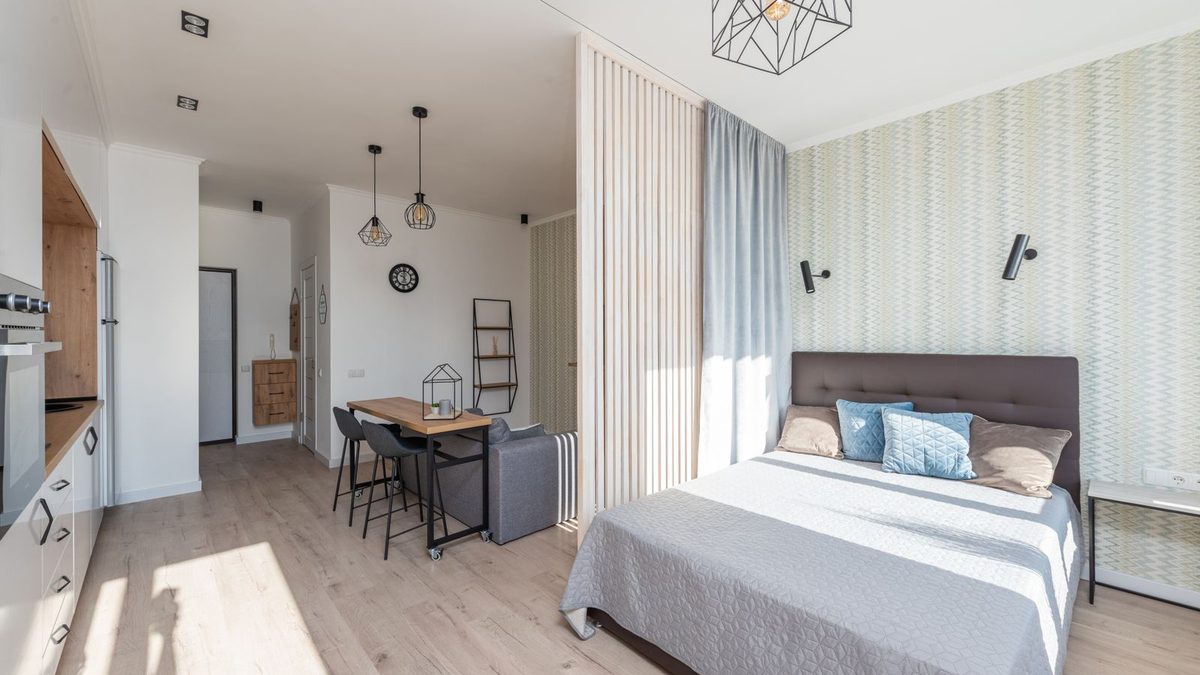
You open the main door after work and the air hits first. Not a sharp smell, just that soft, warm dampness that clings to the single room you cook, sleep, and dry laundry in. In a studio, there is nowhere for moisture to hide. Steam from the shower drifts past the bed. Indoor drying racks sit two steps from the sofa. The cooker hood, if you have one, fights the same cubic metres of air that your mattress and wardrobe share. That is why studio apartment humidity cleaning singapore is less about a pretty floor and more about interrupting a closed loop of vapour, dust, and soft surfaces before they turn grey, sticky, or musty.
Outdoor relative humidity here commonly sits in the high 70s to 80s, with mornings often higher still. Indoors, the practical target repeated across local guidance is to keep relative humidity below 60 percent. Above roughly 70 percent, mould risk climbs fast. Bathrooms can show growth within days if tiles stay wet and the exhaust does not run long enough. In a studio, the bathroom is not a separate wing of the home. It is a wet box sharing the only air volume you have.
Dual-income life makes the problem sharper. You have energy for a weekend mop, not for a weekly soak of the hood mesh, a full wipe of every wardrobe shelf, and a dehumidifier schedule that actually holds the room. Robot vacs help the open floor, then stop at toilet kerbs, sticky post-fry film, and the dead air behind a bed pushed flush to an exterior wall. Moisture absorbers in a tiny wardrobe help a little. They do not manage a whole studio after monsoon stretch days when outdoor air sits at 85 percent and above.
This piece stays practical. It maps how humidity behaves in one-room living, which zones fail first, and a concrete sequence you can run this weekend. It also marks where a professional reset earns its keep so your own habits last longer than forty-eight hours.
Why one-room living turns humidity into a whole-home problem
A three- or four-room flat can isolate steam. A studio cannot. Shower vapour, rice-cooker steam, and laundry moisture load the same air that sits on your pillows. When you leave windows open for “fresh air,” tropical outdoor moisture walks straight in and settles under the bed frame, in window tracks, and on the cooler face of an exterior wall. Furniture pushed hard against that wall creates a cold, damp micro-climate. Local advice is simple and often ignored: leave a 5 to 10 cm gap so air can move.
Many studio tenants use the bomb shelter as a storeroom. Concrete walls, a steel door, and zero designed airflow make it a textbook mould pocket. Close the door to keep things tidy and you are sealing clothes, shoes, and cardboard into still, humid air - white growth can appear in a single rainy week.
Cooking multiplies the load. An open-plan hob means grease aerosols land on the sofa arm, curtain hem, and bed throw. The hood exterior can look fine while the metal mesh is caked. That mesh is repeatedly called out as the single biggest source of lingering grease smell. In a studio, the smell has nowhere else to go. It becomes the room’s baseline scent within a day of a Sunday fry-up.
Aircon helps comfort but is not a full humidity strategy on its own. Filters clog faster than people expect when corridor dust is high and the unit runs daily. During monsoon stretches, some users report emptying condensate trays noticeably more often - a sign that the aircon is working harder and internal drain paths need checking. Dry mode cools the feel of the room. It does not replace drying wet walls, opening dead-air gaps, or pulling moisture out of soft furnishings after indoor laundry.
Health is not abstract here. The US EPA has noted that indoor air can be two to five times more polluted than outdoor air - a figure that feels less abstract when your studio shares one air volume between the shower, hob, and bed. Dust mites thrive year-round in our climate. Bedding and mattresses hold them. A careful whole-home reset in allergy-focused case work has shown large drops in mite load and mould spores when the clean is thorough rather than cosmetic. In a studio, your sleeping zone is the living zone. Cutting the reservoir matters more than spraying a scent that fades by morning.

The studio zones that fail first when RH stays high
Start with wet surfaces, not the open floor you already mop. After every shower, squeegee glass and wall tiles immediately. Run the exhaust during the shower and for about fifteen minutes after. That “lazy” habit is one of the few that actually slows bathroom return growth when humidity never really drops. If black or grey grout and silicone keep coming back after weekly wipes, the issue is residual moisture and room RH, not a lack of scrubbing effort alone.
Next is the bed wall and under-bed strip. Lift the frame edge if you can. Vacuum and wipe the skirting. Pull the bed 5 to 10 cm off any exterior wall and leave it there. Check the mattress edges and base for musty patches, especially if you dry laundry nearby. Surface sprays treat what you see. They do not fix a mattress that has sat in damp air for months.
Wardrobe and shoe storage need scheduled airflow. On a drier afternoon, open doors for a couple of hours with a fan moving air across shelves. Wipe shelf undersides, not only the visible tops. Calcium chloride packs help sealed micro-spaces. They are weak tools for a full wardrobe bay or the whole studio volume. If white spots return on wood or fabric within a week of rain, you need RH control plus a proper clean of the storage carcass, not another packet on the floor.
Kitchen mesh deserves its own soak cycle every one to two weeks if you cook often, or at least every two to four weeks for lighter use. Charcoal filters on recirculating hoods need renewal on a longer cycle, commonly every three to six months. Wipe the splash zone the same day you fry. In a studio, grease that escapes becomes living-room film.
Window tracks, grilles, and the aircon intake collect fine dust that turns paste when monsoon moisture hits. Tracks are easy to ignore until the slider feels gritty. Pull the visible fluff, wipe with a barely damp cloth, then dry. Rinse or carefully clean washable aircon filters on a two- to four-week cadence in heavy use. A clogged filter makes the unit work harder and can worsen the damp, dusty feel you are trying to escape.
Finally, the service corner if your studio has a compact yard or machine niche. Machine backs, floor traps, and the slimy film behind the washer create sewer-gas and musty notes robots never reach. A torch and a wipe of the plinth line once a fortnight prevent the “I cleaned the floor but the room still smells” complaint.
A weekend humidity-clean sequence you can finish in one room
Block half a day. Declutter for thirty minutes first so you are scrubbing, not sorting. Open laundry baskets, clear the hob, and empty the shower floor. You are aiming for highest-impact zones, not a performative full rearrange.
- Read a cheap hygrometer in the middle of the room at chest height. Note the number before you start. Your working goal is to push and hold indoor RH under 60 percent after the clean, not merely to make tiles shine.
- Dry the wet core. Squeegee bathroom surfaces. Wipe silicone edges. Run exhaust. Leave the door arrangement that best vents steam away from the bed if your layout allows.
- Pull furniture off exterior walls by 5 to 10 cm. Vacuum and wipe the newly exposed strips, skirting, and under-bed band. Bag visible dust rather than redistributing it with a dry cloth alone.
- Open the wardrobe and any bomb-shelter storage. Remove items from one shelf at a time. Wipe shelf, sides, and corners. Discard damp cardboard. Leave doors open with airflow for at least two hours while you work elsewhere.
- Remove cooker-hood metal mesh and soak it in hot water with a degreasing solution strong enough for caked oil. While it soaks, wipe the hood body, splashback, and nearby open shelves. Rinse and dry mesh fully before refit so you do not reintroduce moisture into the only living space.
- Detail tracks, grille bases, and fan blades if you can reach them safely. Dust on high blades redeposits within a day if you only wipe the visible lower face.
- Run a dehumidifier toward 55 to 60 percent RH for several hours, especially after indoor laundry or a monsoon day. Problem corners may need longer. A 10-12 litre-per-day compressor dehumidifier running six to eight hours daily costs roughly SGD 25-45 a month at current SP Group tariff rates - still well below one round of mould remediation or a ruined leather jacket.
- Finish with soft furnishings. Vacuum mattress surfaces and sofa bases. If you see staining or smell kulob in the foam, stop DIY bleaching and plan a proper fabric clean. Harsh mixes can damage finishes and still miss deep moisture.
Repeat a lighter version weekly: squeegee habit, quick mesh check, wardrobe airing, filter glance, trap wipe. Quarterly, or after a heavy northeast monsoon stretch, schedule a deeper reset. One heroic clean does not hold for months when outdoor air sits wet and the studio never stops generating steam. If the room still feels dusty in upper cabinets, sticky at the hob, or musty in storage after your best weekend effort, that is the moment a trained crew with proper chemistry and time on the clock outperforms another round of supermarket spray. Many homeowners at that point look at a structured spring cleaning service that treats humidity-heavy homes as a system, not a floor-only pass.
What Customers Say
"Amanpreet and Mercy are doing great jobs! Over expectations."
- Siyu
"Arum is a great supervisor, he's hard working n took initiative for his work in guiding his team Amampreet n Nan. They did a good n through job in cleaning our whole flat. Cheerful n helpful in helping to take out heavy stuff. Good job, Arum n Team... Positive: Responsiveness, Punctuality, Quality, Professionalism, Value"
- Nancy Tan
"Amanpreet and Nan did a fantastic job cleaning our apartment. They were very thorough and professional."
- Erika Pearson
"Many thanks for cleaning my new home. It was dusty and there were many stains and footprints. Your cleaning team did a very good job and I would call you for help again with the knowledge of your high standards to details involved in the cleaning. Once again, my heartfelt thanks to Munisha, Jashandeep and Thae Thae. Steve Chan Tampines Green Emerald 9th May 2025"
- Chan P C
FAQs About studio apartment humidity cleaning Singapore
Why does mould return in a studio within days of wiping?
Surface products remove what you can see. If room RH stays above about 70 percent, walls stay damp, and soft storage never dries, growth returns quickly. Pair cleaning with drying habits, airflow gaps, and a dehumidifier target under 60 percent RH.
Is a Thirsty Hippo enough for studio apartment humidity?
Moisture absorbers help tiny enclosed pockets. They are weak against a full bathroom, wardrobe run, or whole-room load after laundry and cooking. Use them as support, not as the only control method.
How often should I clean the cooker hood mesh in a studio?
With regular cooking, plan a full mesh soak every one to two weeks. Lighter use can stretch toward two to four weeks. Exterior wipe-downs alone will not stop grease smell in an open plan.
Does aircon dry mode replace good humidity habits in a studio?
No. Dry mode and cooling help comfort. You still need filter care every few weeks, bathroom drying, furniture gaps, and periodic deep attention to tracks, storage, and fabrics.
When should I call professionals instead of another DIY weekend?
Call when mould covers large areas, mattresses smell musty through the core, upper cabinets and hood mesh stay greasy after your best effort, or the room still feels dusty after a full self-clean. Look for written scope, supplies brought on site, and a re-clean stance rather than a rushed surface pass.
How do I keep results after a deep clean?
Hold RH under 60 percent when you can, squeegee after showers, run exhaust fifteen minutes longer, keep 5 to 10 cm wall gaps, soak mesh on schedule, and avoid drying full laundry loads against the bed wall without dehumidifying afterward.
Are studio cleans different from larger HDB layouts?
Yes in priority, not in chemistry. Every wet and greasy task shares one air volume with your sleep zone, so bathroom, hood, wardrobe, and mattress rank above cosmetic floor shine.
Conclusion
We at MCAAS Solutions know how small a studio can feel when the air itself turns heavy and every surface shares the same damp story. Studio apartment humidity cleaning singapore work is really about breaking that loop with honest drying habits, highest-impact zones, and the odd deep reset when the room outruns a busy week. If you want a crew that brings the gear, works with initiative, and treats zero dust as the standard rather than a quick pass from the doorway before leaving, reach us at +65 8834 2867, send a quick note on WhatsApp, or visit our spring cleaning service to book a humidity-smart clean that gives your one room its air back.