Humidity & Mould , HDB & Condo Living
What monsoon rain leaves on HDB balcony floors
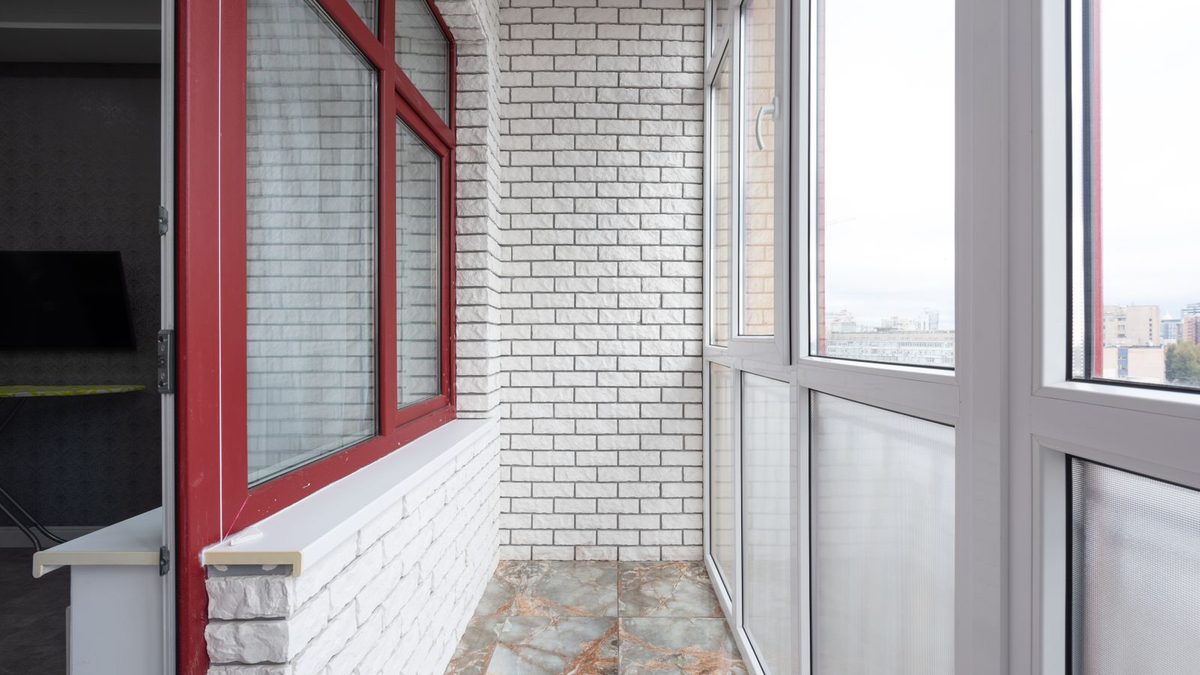
Bare feet tell the truth first. You step onto the balcony after a Sunday mop, expecting clean tile, and instead you feel that fine sandpaper drag - grit in the joints, a slick film near the floor trap, a grey-green shadow where the railing posts meet the slab. The floor looked rinsed. The mop bucket looked dirty enough to prove you tried. By Wednesday, after another northeast monsoon band, the same texture is back, and muddy prints sit in the slider track like a second welcome mat.
That is the real shape of balcony cleaning HDB monsoon work in Singapore. It is not wet floor plus dust. Sideways rain, corridor grit, railing runoff, leaf mulch, plant-soil splash, and warm humidity bake into a thin mineral-and-organic film on outdoor tiles and drains. A casual mop moves that film around. It returns within days because water alone polishes it thinner; it does not lift it. Higher floors catch more wind-driven rain. Laundry left out for drying turns the balcony into a weather system that feeds dirt straight into the living room every time the slider opens.
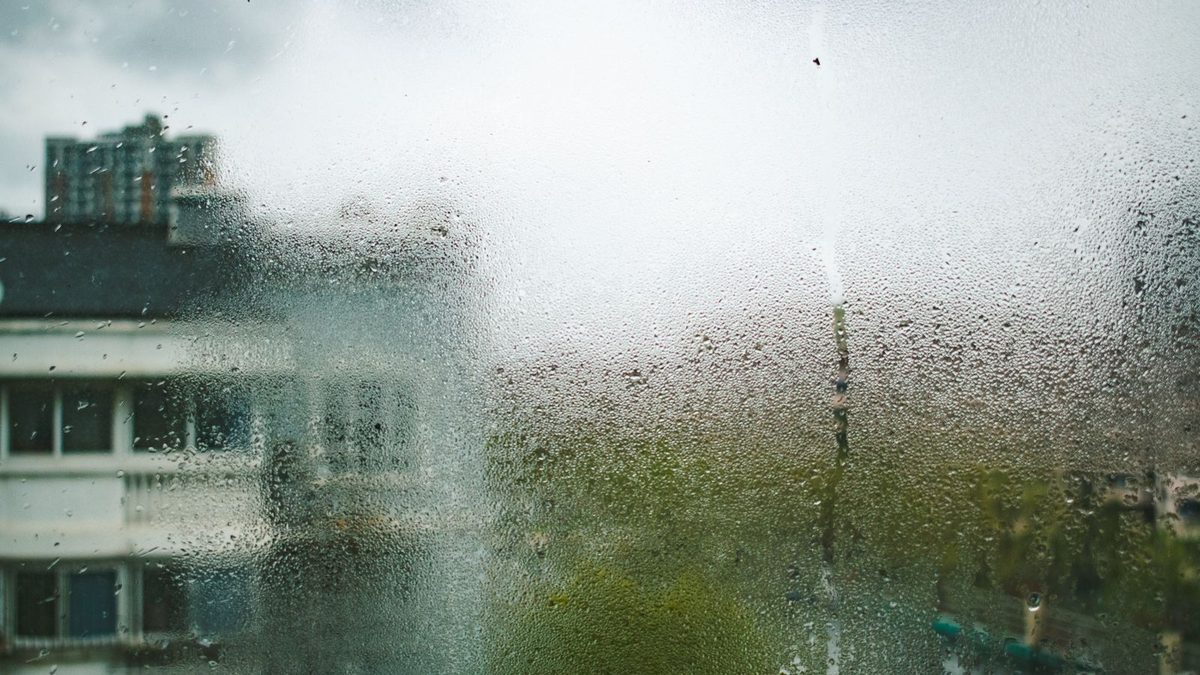
Outdoor RH during monsoon stretches routinely runs above 85% and frequently touches 95% during active rain bands. Tiles stay cool and wet. Green slime finds shaded joints and the floor trap faster than most weekend routines allow for. Powder-coated or aluminium uprights streak black where oxidation and dirt ride the runoff down. Shared corridors add fine dust that sticks the moment it meets damp slurry. What you are fighting is a layered outdoor job - surface film, joints, drainage, railings, and the indoor track-in path - treated as one system, not a fifteen-minute splash-and-go.
If your 4-room unit has spent two wet weeks with the balcony open for laundry, you already know the checklist in your body: grit underfoot after mopping, green film near the trap, black streaks on the bars, and living-room tiles that need a second pass every evening. The rest of this piece walks through what monsoon rain actually deposits on HDB outdoor floors, why DIY half-finishes rebound between storms, and a full between-storm reset you can run without flooding the neighbour below.
What monsoon rain actually deposits - and why it sticks
Open balconies and service yards behave differently from indoor floors. Indoor tile is usually smoother, closed to the corridor, and dried by aircon. Outdoor HDB tile is textured on purpose - grip when wet - and that texture holds grit like a grater. When northeast or southwest monsoon rain hits sideways, it does not simply wash the slab clean. It mixes corridor dust, pollen, laundry lint, and whatever sits on upstairs railings into a sticky slurry. That slurry dries into the sandpaper feel your feet notice even when your eyes say the floor looks fine.
Railing runoff is its own problem. Aluminium and powder-coated bars collect a thin oxidation-and-dirt skin. Rain sheets down the uprights and leaves black streaks at fixing points and skirting. People wipe the tops of the rails and miss the underside edges where the drip line sits. Plant pots add another layer: soil splash after a hard shower, leaf grit packing the joints, cigarette ash or dried debris riding into the floor trap. On higher storeys, wind-driven rain pushes further under drying racks and pot stands, so film builds in the shaded strip against the wall where sunlight never fully bakes the surface dry.
Humidity does the rest. Surfaces stay damp long after the rain stops. Green film - the algae and organic slime residents call jialat when it spreads - locks onto cool, shaded tile near drains. Standing damp in a clogged trap feeds that growth between wet spells faster than a multipurpose spray can keep up. The balcony is not a sealed room. It is an outdoor slab tied to shared air, shared dust, and your living-room threshold. Treat only the middle of the floor and you leave the system that recreates the mess intact.
Why a weekend mop leaves grit, green film, and track-in prints
Most DIY passes start with water. That is the wrong first move on monsoon grit. Wet grit becomes paste. Paste smears into joints and into the slider threshold. You finish looking productive, then walk inside and leave prints on the living-room tiles because the track still holds the slurry. Outdoor-safe cleaning needs agitation on the film and the joints, not a polish pass with the same indoor floor cleaner you use after dinner.
Floor traps and weepholes fail quietly. Leaves, fine grit, and plant debris pack the trap. Water ponds. The slab stays damp against the skirting. Green patches cling there first. A mop head that never opens the trap just skates over the problem. The same goes for crowded working space. Drying racks, laundry poles, and pot stands block corners. People clean the open centre and skip the edges where runoff concentrates. Neighbour reality matters too: sheet-washing the balcony can send dirty water over the edge toward the unit below. Controlled rinse toward the drain is part of the job, not an optional nicety.
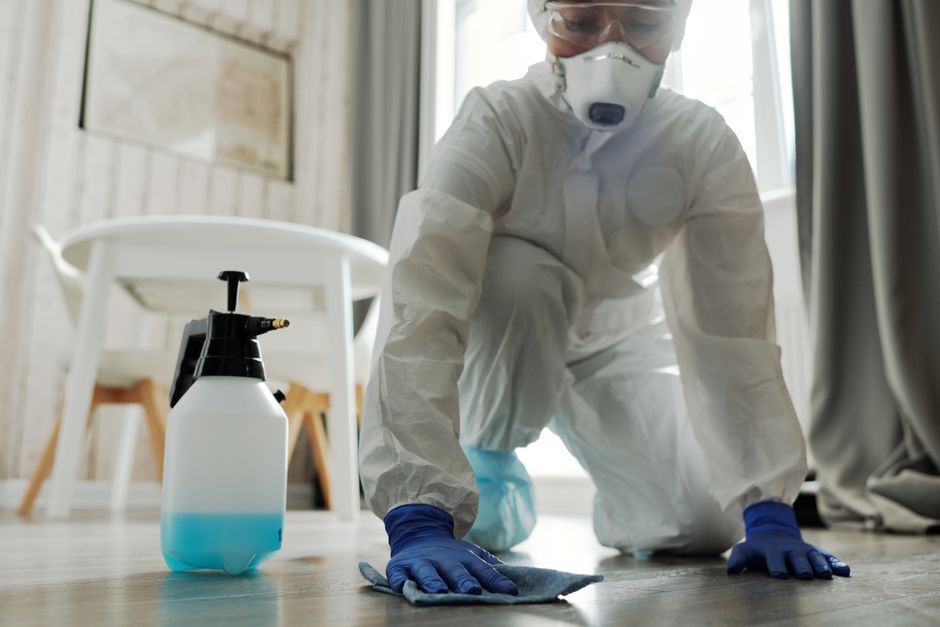
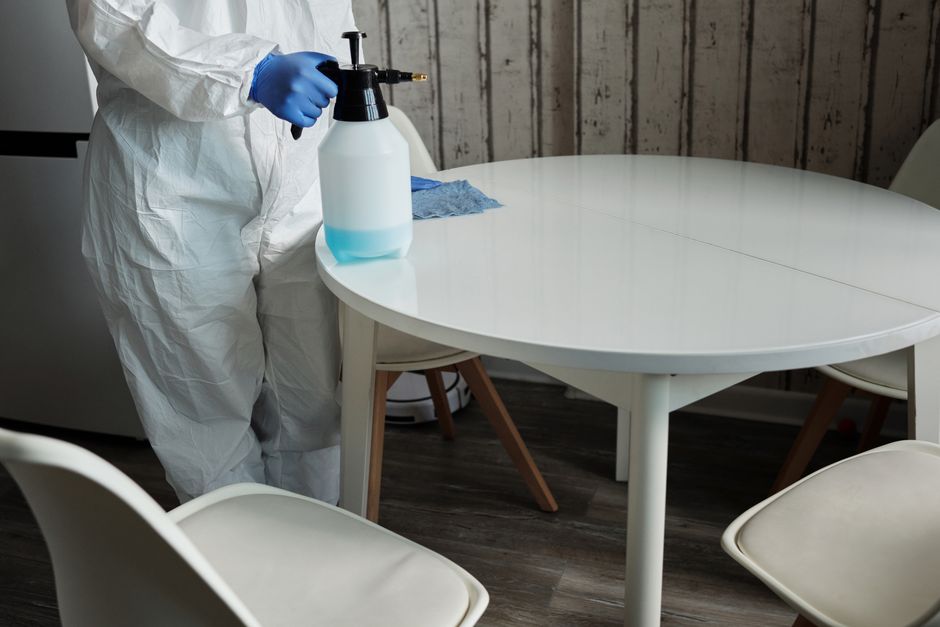
Safety sits under all of this. Wet elevated floors, overloaded racks, and hurried scrubbing on a slim balcony are riskier than they look from the sofa. Shoes help. Clearing clutter first helps more. When the mess has outgrown a free evening - film on every joint, slime at the trap, streaks on every upright, and grit walking indoors daily - a full residential reset that includes outdoor zones starts to make more sense than another half mop. Teams that already run thorough home work, including spring cleaning that reaches outdoor and high-traffic zones, treat balcony film as part of the same humidity-native reset rather than an afterthought wipe.
A between-storm balcony reset you can run this week
Use this as an ordered pass when the radar clears for a few hours. Do not skip the dry steps. Do not put mats and pots back until the high-traffic tiles are actually dry to the touch.
- Clear pots, racks, mats, and anything else sitting on the slab so every joint and the full drain path is reachable.
- Dry-sweep grit, leaf bits, and loose soil before any water hits the floor so you do not turn dust into paste.
- Open and empty the floor trap; pull out the leaf pack and rinse the basket so water can leave the slab instead of ponding.
- Apply an outdoor-safe cleaner suited to tile film and green patches; let it dwell on the problem zones, then agitate joints and textured tile with a stiff brush rather than a soft indoor mop alone.
- Wipe railing bars, uprights, fixing points, and underside drip edges where black streaks form, not only the top rail you lean on.
- Rinse in a controlled path toward the drain; avoid sheet-washing over the edge onto the neighbour below.
- Squeegee or towel high-traffic tiles so humidity does not leave a damp skin that traps the next dust load.
- Clean the slider track and the door bottom seal so wet grit stops walking onto living-room tiles every time someone steps inside.
- Spot-check skirting and the trap surround for remaining slime; re-treat any green film you still see before you call the job done.
- Only then return mats and plants, keeping a little airflow under pot stands where you can so damp does not sit sealed against the slab.
That sequence is longer than a mop cycle on purpose. Film, drainage, railings, and the indoor path are one job. Skip the trap and the track and you will feel grit again after the next band of rain. If laundry has to go out the same day, leave a clear walking lane dry first so you are not grinding wet dirt back into the joints while the rest is still open.
When monsoon balcony film outruns a free evening
Some units stay manageable with the checklist above between storms. Others stack problems: weeks of open-balcony laundry, heavy corridor dust on a low floor near a busy lift lobby, dense pot collections, or a service yard that doubles as washing-machine zone with its own trap slime. Dual-income households often only have energy for a centre-of-floor mop. The edges, uprights, and threshold quietly worsen until bare feet and indoor prints force another weekend.
That is the gap between looking rinsed and staying non-slippery through wet weeks. Professional residential crews who bring the right outdoor-safe products, clear drainage properly, and finish the slider path save you the rebound cycle. MCAAS Solutions runs NEA-licensed, WSQ-certified teams with family- and pet-safe products and hospital-grade disinfectants where the home needs them, fully insured and background-checked. Clients who book after a bad monsoon week make up a noticeable share of our 382 Google reviews - most mention the balcony and the slider track specifically - and every job carries a re-clean guarantee. For a monsoon-hit flat, routing the balcony into a wider home reset through our spring cleaning service is often the practical move when DIY cannot keep pace with film and grit.
Balcony monsoon questions, answered
Why does my HDB balcony still feel gritty after I mop during monsoon season?
Monsoon water mixes corridor dust, railing runoff, and organic debris into a film that sits in textured outdoor tile and joints. A wet mop often smears that film thinner instead of lifting it, so bare feet still feel sandpaper grit even when the floor looks shiny.
How often should I reset the balcony floor trap in wet months?
Check it after heavy multi-day rain bands and whenever water ponds near the skirting. Leaf pack and fine grit clog traps quickly; an empty trap is what lets the slab dry instead of feeding green slime between storms.
Is green film on shaded balcony tiles dangerous or just ugly?
It is mainly a slip and hygiene issue on damp outdoor tile. It thrives where shade, humidity, and poor drainage keep the surface wet. Clearing the trap, agitating joints, and drying high-traffic zones matters more than perfume sprays that only mask the damp smell.
Can I use the same multipurpose cleaner I use indoors?
Indoor multipurpose products often underperform on outdoor mineral-and-organic film and may not suit prolonged damp tile. Use an outdoor-safe cleaner, dwell time, and a stiff brush on joints, then rinse toward the drain without flooding downstairs.
How do I stop grit walking into the living room after balcony cleaning HDB monsoon weeks?
Clean the slider track and door bottom seal every time you do the slab. Most indoor prints come from slurry left in the threshold, not from the middle of the balcony alone.
When is DIY no longer enough for a monsoon balcony?
When film returns within days despite dry-sweep and trap work, when railings streak again after every shower, or when you lack safe time and space around racks and pots. That is when a thorough residential team for a full outdoor-plus-indoor reset is the sensible step.
Does higher-floor wind-driven rain make balcony mess worse?
Often yes. Sideways rain pushes grit and slurry further under racks and against walls, so shaded strips stay damp longer. Those units need more attention on edges, uprights, and drying after rinse, not only the open centre of the floor.
Conclusion
We at MCAAS Solutions know the monsoon balcony that looks rinsed yet still scrapes under bare feet - the trap slime, the railing streaks, the prints in the slider - because that film is what wet-season HDB living quietly builds when outdoor and indoor paths stay connected. Clear the clutter and run the between-storm reset on the next dry window so grit and green patches do not own the slab until the following weekend. When the weather keeps outrunning your free evenings, our NEA-licensed, WSQ-certified crews can carry the heavier outdoor-plus-indoor reset with family- and pet-safe products, a re-clean guarantee, and the same detailed standard behind our 4.9 rating from 382+ Google reviews. Message us on WhatsApp or visit our spring cleaning service for a written scope that includes the balcony film, drainage, and track-in mess this season leaves behind.