Humidity & Mould , HDB & Condo Living
Why your HDB still smells musty days after the rain stops

The corridor is already dry. Your shoes don't leave wet prints on the living-room tiles. Windows have been cracked since breakfast. Still, when you walk past the sofa into the bedroom hallway, that familiar damp-sour note hits you again - not perfume, not cooking oil, just the flat smelling like wet cardboard left in a lift lobby. Guests notice before you do. Kids' rooms feel heavy. You mop, spray fabric mist, run the aircon on dry mode, light a candle, and by the next storm week the same musty smell in HDB after rain is back as if you never tried.
That loop is exhausting because it feels like "normal Singapore weather." Outdoor RH in Singapore routinely sits at 80-84%, and in naturally ventilated HDB units without aircon running, indoor levels often follow closely, which already keeps dust mites comfortable near floor level and lets mildew establish on damp materials in 24-48 hours. Rain is not the whole cause; it is a loading event. Outdoor moisture piles onto an already wet indoor system while windows stay shut through the downpour, furniture sits tight against external walls, and soft surfaces never finish drying overnight. What you smell days later is rarely "just humid air." It is usually moisture still held in places the eye skips: skirting and floor edges along external walls, curtain hems, mattress bases and bed frames, wardrobe backs, sofa skirts and rug undersides, bathroom silicone and grout, aircon filters and drip-tray zones.
Hard floors look innocent first. Tiles flash-dry under a fan. The reservoirs underneath and behind do not. A 4-room after a night of heavy rain is a classic pattern: living room and bedrooms smell damp by morning even though nothing looks black or fuzzy; the strongest hit sits near one external wall or behind the sofa; bathrooms add a sour edge if silicone has stayed wet from showers stacked on storm humidity. Opening windows for two hours clears temporary wet-air smell. Reservoir smell returns because the source material is still wet enough for bacterial and mildew activity.
You are dealing with porous materials, tight furniture packing, limited cross-ventilation on some stacks and facings, and storm weeks that keep reloading the same pockets. Singapore recorded one of its wettest years in recent memory in 2025, with MSS data showing annual totals well above the long-term average of around 2165 mm, so the pressure is structural, not a one-off "bad monsoon." This piece walks through how to map where the odour is loading from, what a real 48-hour reset actually involves, where DIY stops being enough, and how to tell temporary damp air from a whole-flat problem that needs a trained deep-clean team rather than another round of fragrance.
Rain loads moisture into pockets your mop never reaches
Think of rain as a delivery system, not a personality flaw of the flat. While the storm runs, you seal windows. Indoor RH climbs. Condensation can form on cooler external walls and along edges where floor meets skirting. Air stalls behind sofas pushed flush to the wall, under beds with drawers, inside wardrobe cavities that never see a breeze, and in curtain folds that wicked spray or outdoor humidity through the night. When the sky clears, the living-room centre dries first. The edges stay damp longer - often long enough for that faintly sour, old-cupboard smell to bloom even when you cannot point to a black patch.
Soft furnishings are the quiet amplifiers. Curtains, sofa skirts, removable covers, mattress bases, and thin rugs hold odour compounds after the rain stops. Hard surfaces can look "done" while fabric still off-gasses damp. Bathrooms stack rain humidity with post-shower moisture; porous silicone and grout lines stay active even if the glass looks streak-free. Aircon adds another path: dirty filters and neglected drip-tray areas recirculate stale moisture smell into bedrooms that already feel heavy. Condensation complaints related to neighbours' air-con units are a documented HDB issue, particularly on lower floors and tightly-stacked blocks - HDB's feedback channels handle these separately from internal damp.
So the gap is not willpower. Casual airing plus a floor mop treats the open plane. It does not pull furniture, check skirting, dry soft reservoirs, detail silicone, or reset aircon-adjacent grime. Masking with scent, ozone gimmicks, or a quick spray can make the living room smell like a hotel for an evening. It does not break the return cycle after the next downpour. If the odour clears fully within a few hours of strong airflow and stays gone the next day at the same time, you mostly had wet air. If it maps to the same wall, sofa back, or bedroom every storm week, you are smelling reservoirs.
Walk the smell map before you buy another candle
Eyes lie; noses track better when you work room by room at a consistent time - ideally the morning after rain, before you open every window and confuse the trail. Start at the entry. Note whether the hit is strongest the moment the gate closes, or only deeper in. Move slowly along external walls with your face at mid-height, then lower near skirting. Pause behind sofas and TV consoles. Open wardrobe doors and smell the back panel and base, not only the hanging clothes. Check curtain hems and the wall behind them. In bedrooms, lift the mattress edge briefly and smell the base and frame area. In bathrooms, get close to silicone joints, exhaust covers, and the base of the vanity. Finish near indoor units: filter smell and the panel area often explain a "bedroom always damp" complaint even when walls look clean.
Write three zones maximum - strongest, medium, faint - so you do not treat the whole flat as one fog. Strongest zones tell you where to spend time. A living-room external wall behind a sofa is a different job from a master-bath silicone line. Visible black mould, peeling paint, or a wet patch that never dries is an escalate signal: cleaning helps surface soil, but leaks, severe neighbour condensation, or structural damp may need building feedback and specialised treatment beyond a weekend wipe. For family context without panic: lingering damp odour often tracks with mildew activity and poorer perceived air quality, which matters more if anyone has allergies, young kids, or elderly relatives. Target indoor RH below 60% where you can; floor-level RH stuck in the mid-80s is friendly territory for dust-mite load. Dehumidifiers that only work while switched on are a pause button, not a full strategy - "humidity rises as soon as we switch it off" is a real local complaint for a reason.
When the map shows multiple soft reservoirs plus bathrooms plus aircon-adjacent smell after every heavy rain, you have graduated past "open windows harder." That is the point where a humidity-aware deep clean focused on edges and soft surfaces starts to make more sense than another round of DIY fragrance.
A 48-hour reset for musty smell in HDB after rain
Use this as an ordered sequence, not a rigid calendar of Monday vinegar and Tuesday baking soda. The goal is map → dry reservoirs → clean soft surfaces → bathroom and aircon moisture points → verify before scent.
- Map smell zones room by room at the same time of day, noting external walls, behind sofas, wardrobes, mattress bases, bathrooms, and aircon areas, and rank the top three sources before you clean anything.
- Pull furniture 10-15 cm off the worst external walls, vacuum and wipe skirting and floor edges, and leave a gap for airflow for at least a full day so trapped damp can leave the cavity.
- Wash or sun-appropriate dry curtains and removable covers; if fabric cannot go out, use a thorough vacuum of hems and folds plus strong indoor airflow until they no longer smell sour up close.
- Strip bedding, air the mattress surface, and open the bed-frame area; wipe the base zone and leave the bed stripped with a fan running until the "under-bed" note is gone.
- Deep-clean bathrooms with real dwell time on silicone, grout lines, exhaust covers, and vanity bases - these stay active when showers stack on storm humidity even if tiles look fine.
- Clear aircon filters carefully per your unit's guidance and wipe accessible panel and nearby wall areas; if the unit itself smells mouldy or drip-tray issues are obvious, schedule proper servicing rather than only wiping the plastic face.
- Dry with fans aimed at the mapped edges, run dehumidifier or dry mode in the worst rooms if you have them, and keep laundry and wet towels out of those rooms for the full window.
- Re-check smell at the same time the next day with windows in their normal position before you add any fragrance; if the same wall or sofa back still leads, you still have a wet reservoir or soil load that surface airing did not finish.
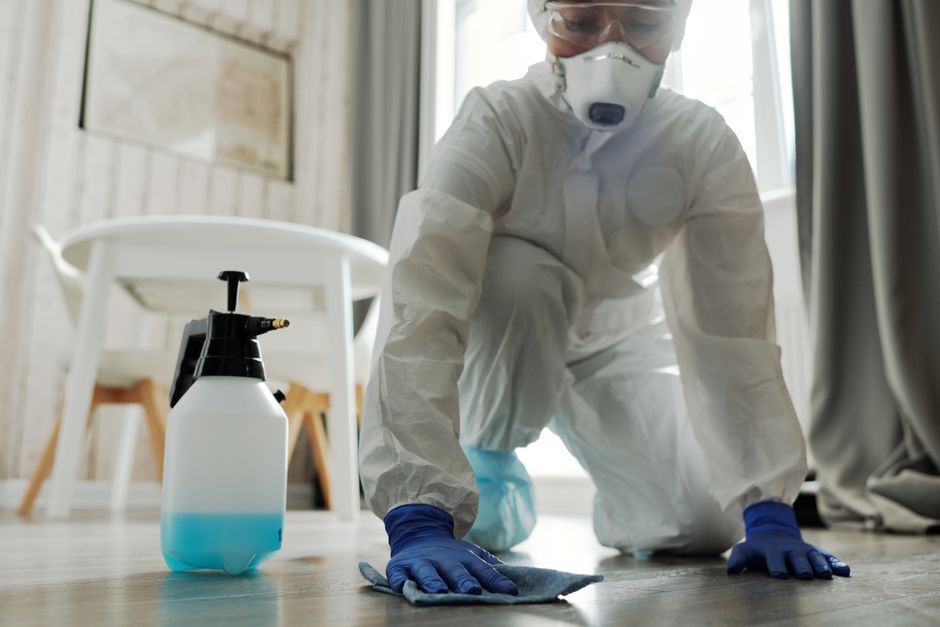
That sequence is multi-step on purpose. If after two honest passes the whole flat still reads damp after rain - or you find widespread mould colonies, not just a musty note - stop masking and bring in trained help for the full reset rather than living in candle cycles.
What Customers Say
Here is what homeowners say after MCAAS teams reset their flats following persistent post-rain damp.
"We recently hired Mcaas Solutions for a deep cleaning service after moving out, and I couldn't be more impressed with the results. From start to finish, Monisha and Celina were professional, thorough, and incredibly detail-oriented... I highly recommend their service to anyone looking for high-quality deep cleaning services..."
- Shweta Sharma
"Munisha and her team did a great job with the cleaning - very responsible and hardworking. I strongly recommend them."
- Yong-Mann Oh
"Good job done by Amanpreet, Mr. Ramadamy, and Mercy. Arrived punctually and able to communicate clearly with them on areas to look out for."
- pat Chan
FAQs About musty smell in HDB after rain
Why does a musty smell in HDB after rain linger when floors look dry?
Tiles dry quickly; skirting edges, external-wall cavities, curtain hems, mattress bases, wardrobe backs, and bathroom silicone can stay wet enough for mildew and bacterial odour long after the open floor looks fine.
Is post-rain damp smell the same as visible black mould?
Not always. You can have reservoir odour without obvious colonies. Visible black growth, peeling paint, or persistent wet patches mean you should treat more seriously and consider professional cleaning plus building or specialist advice if it keeps returning.
Will opening windows alone fix it?
Strong airflow clears temporary wet-air smell within hours. It rarely finishes soft furnishings and wall-edge reservoirs, and outdoor humidity on a sticky day can slow drying. Pair airflow with pulling furniture, washing fabrics, and bathroom detail.
Do dehumidifiers solve the problem permanently?
They help while running and support a target under about 60% RH, but many households notice humidity climbing again when the unit stops. Use them as part of drying discipline, not as the only fix for dirty filters, wet silicone, or soaked curtain hems.
When should I call professionals instead of another DIY weekend?
When the same whole-flat or multi-room smell returns after every storm week, soft furnishings still smell after washing and airing, or you lack time to pull furniture and detail bathrooms properly. A trained team can reset edges, soft surfaces, and humidity-fed grime in one coordinated visit.
Can sofa and mattress cleaning help if fabric is the main reservoir?
Yes. If the sniff walk points hard at sofa skirts or mattress bases, professional extraction on those pieces pairs well with a whole-home dry-down rather than fragrance sprays alone.
Does neighbour air-con condensation cause indoor mustiness in my unit?
It can contribute on shared walls and lower floors. Document stains and damp, raise feedback through proper channels when relevant, and still dry and clean your side's reservoirs so you are not only waiting on the neighbour's habits.
Conclusion
Run the smell map this weekend and pull furniture off the worst external wall so those skirting lines can finally breathe. When the map shows more than one room reloading after every storm, our NEA-licensed, WSQ-certified teams handle the fuller reset - soft furnishings, bathroom silicone, humidity-fed wall edges - with a 100% satisfaction re-clean guarantee. Message us on WhatsApp to plan a humidity-aware deep clean through our spring cleaning service.