Humidity & Mould , HDB & Condo Living
Why bedroom wall mould returns days after you bleach it
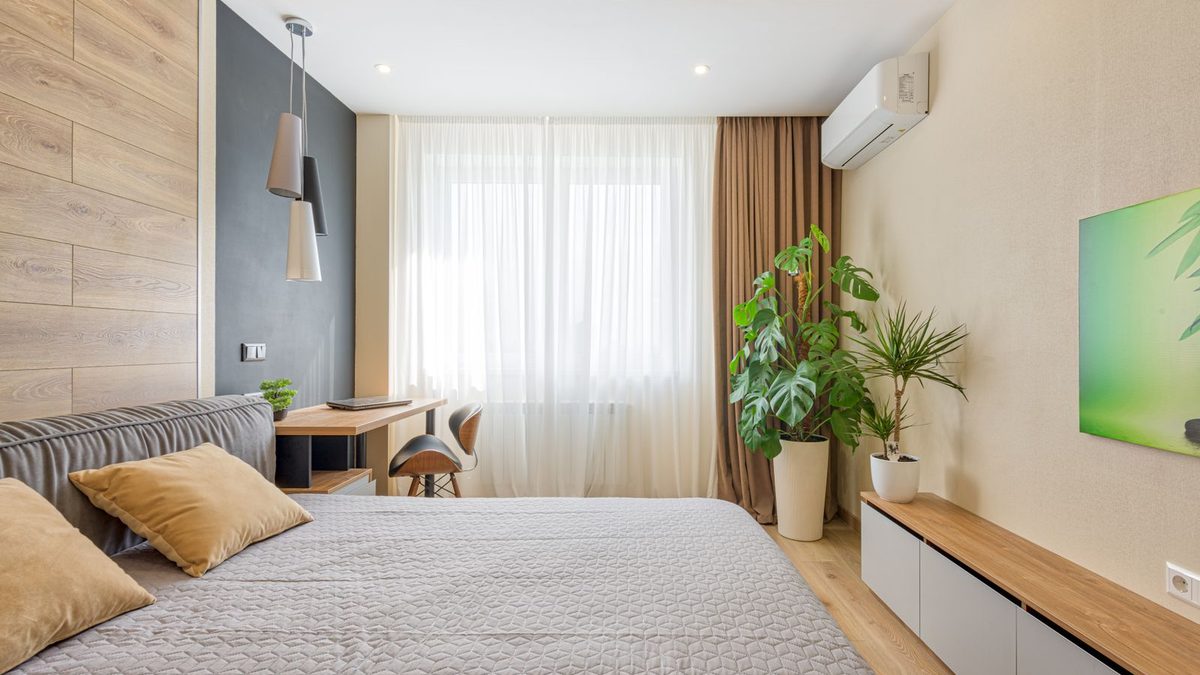
The master bedroom looks fine until you shift the bed frame six inches. Then the map appears again: a grey-green bloom at pillow height, a soft black edge where the headboard sat, maybe a faint musty line along the skirting. You already bleached it last weekend. The stain lightened. You sprayed a little perfume, closed the wardrobe, and pushed the furniture back while the paint still felt cool. Three wet days later, the same stretch of wall is drawing itself in again. That cycle is classic mould on bedroom wall HDB living-not a missed wipe, but moisture meeting a cold surface in still air, with spores waiting in paint and plaster for the next damp night.
Most flats here sit in air that rarely dries out on its own. Outdoor humidity routinely sits in the 80% range; indoors, bedrooms spend long stretches sealed for air-con, haze, or rain. External walls run cooler than the room air, so condensation forms quietly behind beds and wardrobes. A bleach wipe knocks down what you can see. It does not empty the still-air pocket, dry the plaster, or stop the next cool-wall cycle when the air-con kicks on at 11 p.m. Families notice the return first-kids' rooms, elderly parents' beds against the outer wall, guests who pause at the doorway. The worry is fair. The fix is less "scrub harder" and more "treat the whole chain."
This piece walks that chain the way it actually plays out in a typical HDB bedroom: cold wall and warm air, furniture geometry, what bleach can and cannot do on painted surfaces, and a weekend sequence that stops you from trapping damp under the mattress edge again. When DIY keeps losing the same corner, a full room reset with a trained residential team is the sensible step-not another bottle from the supermarket aisle and another Monday morning surprise.
Cold external walls, warm bedroom air, and the strip you never see
Picture a common or master room in a 3-room or 4-room block. One long wall faces the corridor or the exterior. The bed is flush to that wall because floor space is precious. Nightly air-con on cool, not dry. Windows shut through a wet week-MSS recorded rainfall well above the long-term annual average of roughly 2,166 mm islandwide in the first months of 2025 (NEA/MSS published totals), so "open everything" is not always honest advice. Warm indoor air hits the cooler paint. Moisture condenses. Spores that were never fully cleared find a film of damp and wake up at bed height, not randomly across the ceiling.
HDB has fielded documented feedback on condensation-linked wall mould in lower-floor and poorly cross-ventilated units-enough that it is an acknowledged complaint pathway, not an isolated quirk. Your patch may be "your" humidity load, a cooler external leaf, or both. Either way, the dark map prefers the hidden strip: behind the headboard, under the bedside table, along the wardrobe side that almost kisses the plaster. The open wall you wipe while standing in the doorway can look innocent. The pocket of dead air does the real work.
Dirt and old scuffs do not usually bloom with a fuzzy edge after rain. Mould does. If the mark darkens again within days of a bleach pass, treat it as growth plus residual moisture, not cosmetic grime. That distinction changes how hard you scrub-and whether you shove the bed back the same afternoon.
What a bleach wipe actually does on painted HDB plaster
Bleach is theatre when the wall is still wet behind the film. It lightens pigment and knocks surface growth. On porous emulsion, spores and damp sit deeper than a cloth reaches. Scrubbing a damp patch into a grey smear can drive residue sideways into skirting and into the mattress edge that sat against the wall. Mixing random cleaners "for strength" is a bad idea; follow one mould-capable product's label, wear gloves, and keep the room ventilated while you work-without assuming outdoor monsoon air is automatically drier than the bedroom.
Perfume and fabric spray hide the damp smell for an evening. They do not drop relative humidity. A typical fabric spray raises local humidity slightly as it dries-the opposite of what the wall needs. A dehumidifier that runs for a weekend, then gets switched off, matches what owners keep saying online: humidity rises as soon as we switch it off. Target indoor RH below 60% if you can measure it; dust mites and mould both enjoy the wetter band near floors and walls. Dry mode on the air-con helps when outdoor air is wetter than indoor air. Windows-open only wins when the outside air is actually drier-and in many rainy stretches, it is not.
Repainting over a cool, still-damp wall is how splotches return under fresh colour. Furniture pushed back before the strip is fully dry recreates the still-air pocket overnight. Casual attempt equals spray, wipe, scent, shove. Proper reset equals map the moisture path, treat the full height of the affected run, dry thoroughly, leave an air gap, and only then decide on paint. That gap is where DIY often fails-and where a humidity-aware deep clean of the whole bedroom starts to make sense if the patch is recurring, paint is peeling, or bedding near the wall smells musty after every heavy rain.
Furniture geometry: beds, wardrobes, and still-air pockets
The wall is not failing alone. The bed hard against external plaster, the tall wardrobe that blocks any cross-breeze from the door, curtains pooling against a damp corner-each one slows evaporation. In a tighter 3-room layout the problem concentrates; in a larger unit you still lose if the master suite seals shut every night with the headboard tight to the coolest leaf. Pulling furniture 30-50 cm off the wall for treatment is not fussiness. It is the only way to reach the strip that redraws itself.
While the wall is open, check the neighbours of that patch: skirting dust that stays soft and dark, curtain hems that smell when you lift them, the mattress edge and bedframe rails that sat in the pocket. Cross-contamination is ordinary-spores hitch a ride on fabric and return to the paint. Vacuum and wipe those edges before you congratulate yourself on a white wall. Leave a permanent finger-width gap after everything is dry if the layout allows. A few centimetres of airflow beats another heroic bleach session every fortnight.
Health context stays practical, not dramatic. Households spend long hours asleep in that air. Recurring mould on bedroom wall HDB surfaces is a signal to treat the room as a system-surface, soft furnishings nearby, RH habits-not a single stain. If anyone at home already struggles with allergic rhinitis or dust-mite sensitivity, taking the room seriously is ordinary maintenance, not panic.
A weekend sequence when the same corner keeps winning
Use this ordered pass when spotting is early or when you need a disciplined DIY attempt before calling for help. Each step is a full action, not a one-word reminder.
The sequence below applies that system thinking in practice-starting with the furniture itself, not the stain.
- Map every affected patch on paper or phone photos in daylight, and write down exactly what sits against that wall-bed, side table, wardrobe, curtain rail-so you do not "forget" a hidden strip when you push furniture back.
- Pull furniture 30-50 cm off the wall, vacuum the floor strip and skirting, and dust the back of the headboard and any wardrobe side that faced the plaster so you are not grinding grit into wet cleaner later.
- Treat the full height of the run with one mould-capable cleaner used exactly as the label directs; wear gloves, keep airflow moving, and stop scrubbing if paint is soft or peeling-smearing damp emulsion sideways is not progress.
- Dry the wall completely with a dehumidifier and/or air-con dry mode and gentle fan movement before any touch-up paint; do not return the bed until the surface is dry to the hand and the room no longer smells of damp plaster.
- Leave a permanent air gap where you can, recheck the strip after 48 hours, and check again after the next heavy rain so you know whether moisture is still cycling on that cold wall.
DIY is often enough for a small early spot you catch with furniture already off the wall and RH under control. It is usually not enough when the same map returns every wet week, paint blisters, the mattress edge stays musty, or growth spreads after you "fixed" it. At that point the job is a room reset-walls, high dust, soft edges, honest drying time-not another solo evening with a sponge. Teams that already deep-clean lived-in HDB bedrooms bring the sequence, the chemistry discipline, and the patience to leave furniture out until the strip is truly dry. Soft next step: when you are tired of losing the same corner, a professional spring cleaning / deep clean focused on that bedroom is the practical upgrade, not another hopeful wipe.
What Customers Say
When mould remediation is part of the brief, clients notice the difference a disciplined drying sequence makes-here is what recent spring-clean customers said.
"We engaged MCAAS to spring clean our 5 Rm HDB flat. This is the first time I'm getting outside help and it really helps me to ease my burden. We are very satisfied with their services provided. A special shout out to the team of 4, team leader, Ms Munisha, and her team, Blessing, Nan and Dulina. I would like to recommend them to whoever want to clean their home."
- Flora Tan
"Hi the Cleaners and very fast and hardworking and they also do very clean and spike n span job. Inded its my sixth time arranging for this cleaning company. Thank you :)"
- Manjula Peters
"Very friendly Munisha and team helped us cleaning the house. They are very professional and kind. Communication was very smooth! We would like to call them again next time!"
- SH KIM
"Amanpreet was my assigned cleaning staff this morning. She performed all tasks in a fast and quick manner. She was on time and did all assigned work fast and to her best ability and was opened to feedback. Great job!"
- KS KS
Common questions about bedroom wall mould in HDB flats
Why does mould on bedroom wall HDB units come back so fast after bleach?
Bleach mainly fades what you see. Spores and moisture can remain in paint and plaster, and furniture tight to a cool external wall recreates condensation in still air within days-especially when RH climbs the moment dehumidifiers stop.
Is the dark patch dirt, a water stain, or mould?
Growth often returns with a fuzzy or mottled edge after wet weather and may smell musty up close. Simple dirt usually does not redraw the same map after a proper clean and dry-down. When unsure, treat carefully and dry fully before paint.
Should I open windows or run dry mode during rainy weeks?
Open windows only help if outdoor air is drier than indoor air. In heavy rain or very humid afternoons, dry mode plus a dehumidifier aimed at keeping indoor RH under 60% is usually smarter than flooding the room with wet outdoor air.
How far should the bed sit from an external wall?
During treatment, pull 30-50 cm so you can clean and dry the full strip. Afterward, even a small permanent gap improves airflow behind the headboard and slows the next condensation cycle.
When is DIY no longer enough?
If patches recur after rain, paint peels, bedding near the wall smells damp, or spotting spreads despite careful cleaning, you need a fuller room reset and moisture habits-not another solo bleach night.
Can neighbour air-con cause wall mould in my bedroom?
Condensation linked to neighbouring units is a documented HDB complaint theme. You may not control the source fully, but you can still dry your wall properly, improve local airflow, manage RH, and document persistent issues with your town council pathway where relevant.
Do I need anti-mould paint immediately?
Paint only after the wall is clean and fully dry. Coating damp plaster traps the problem. Anti-mould systems help some homes, but they fail if furniture geometry and humidity habits stay the same.
Conclusion
We at MCAAS Solutions know how disheartening it is when the wall behind the bed sketches the same grey map after you already did the "responsible" bleach pass. That is not laziness-it is Singapore humidity meeting cold plaster in a sealed bedroom, and it deserves a full reset, not another scented wipe. Pull the bed off the affected wall this weekend, run the dry-and-treat sequence above, and leave the gap until the strip stays clean after the next downpour. When the corner still wins, our WSQ-trained teams carry insurance, pass background checks, and use chemistry rated safe for children and elderly residents. We hold a 4.9 rating from hundreds of verified reviews and back every clean with a re-clean guarantee. Contact us at +65 8834 2867, send a quick note on WhatsApp, or visit our spring cleaning service to book a humidity-aware deep clean that treats the room, not just the stain.