Home Maintenance , Cleaning Tips
Clementi HDB kitchen hood grease: why wiping it never works
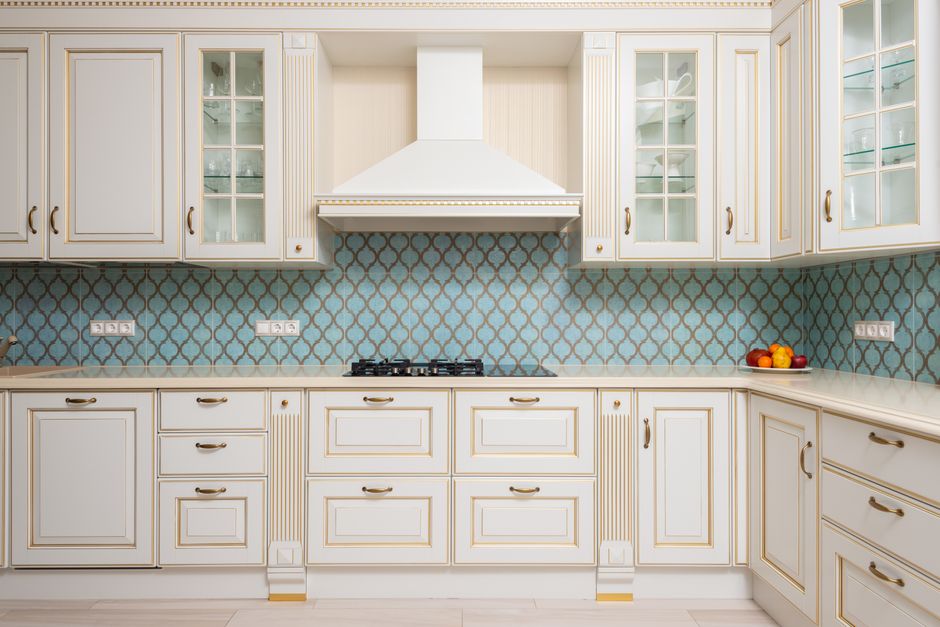
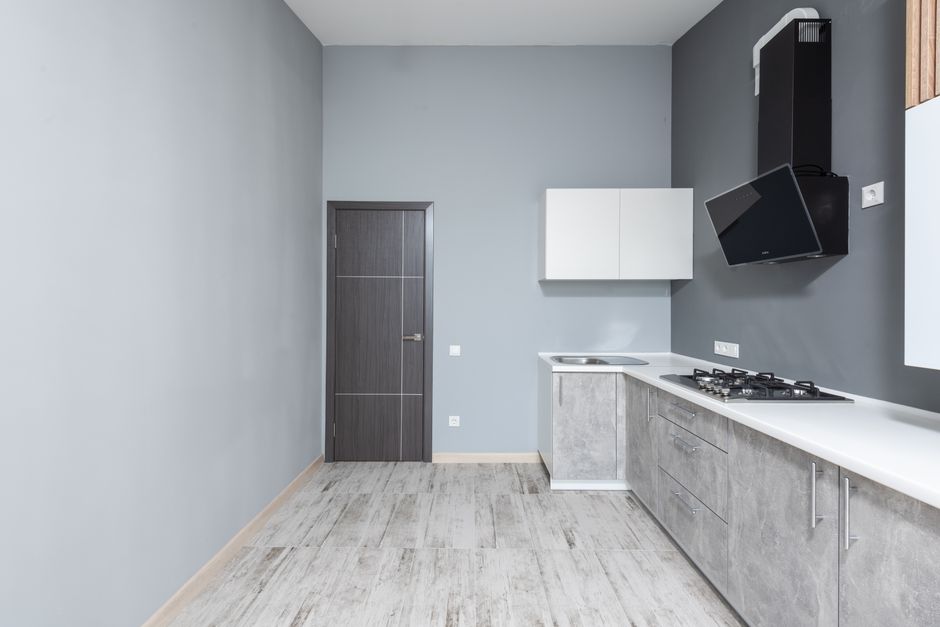
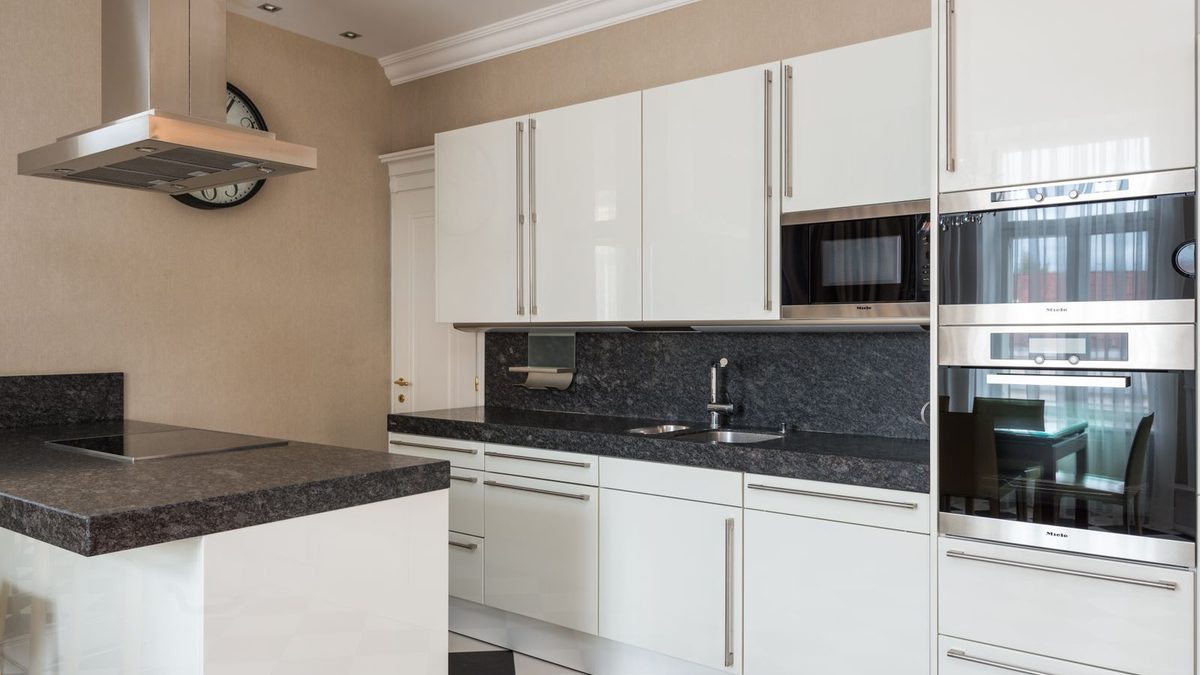
Three weeks. That's roughly how long it takes for a Clementi HDB kitchen hood to go from freshly wiped to faintly rancid again, even in a household that only cooks four or five nights a week. Clementi's housing stock is a mixed bag - ageing walk-up blocks around Clementi West Street 1 and Clementi Avenue 2 sit a short walk from newer BTOs like Clementi Peaks and Clementi Vista, and the kitchen behind that hood looks completely different depending on which one you live in. A galley kitchen in a 1980s three-room flat, or an open-concept layout in a five-room unit where the hood has to do double duty for the living room too. Either way, the exhaust hood over the stove is the hardest-working appliance in the flat, and it's also the one almost nobody actually maintains properly.
The problem isn't laziness. It's that the part doing the real work is invisible. You can wipe the stainless steel exterior of a Clementi HDB kitchen hood every single day and the grease smell will still creep back by the weekend, because the exterior was never where the grease was collecting in the first place. Singapore's humidity, typically sitting in the high 70s to 80s percent range, doesn't help either. Grease particles mix with moisture in the air and settle as a sticky film on surfaces far beyond the stove, which is why a kitchen two rooms away from the hob can still smell like last Sunday's fish curry on a Wednesday. For households with young kids or anyone with mild respiratory sensitivity, that lingering grease-laden air isn't just unpleasant, it's something worth actually fixing rather than masking with an air freshener.
Why a wipe-down never touches what's actually clogging the hood
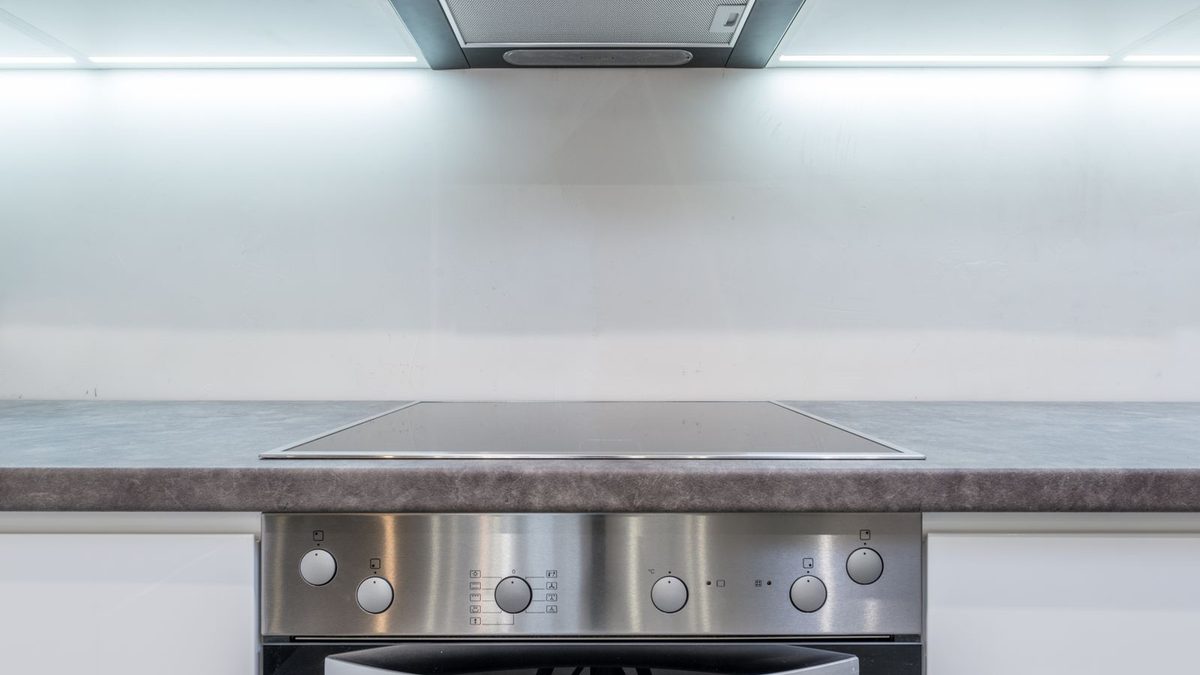
Underneath the visible panel of almost every HDB kitchen hood sits a metal mesh filter, and that mesh is where close to all the airborne grease from your cooking actually gets trapped before it would otherwise coat your ceiling and cabinets. Cleaning guides and cleaners alike call this the single biggest source of grease smell in a Singapore kitchen, and for good reason - a mesh filter left unwashed for a month isn't lightly dirty, it's caked solid, to the point where it stops filtering anything and just radiates smell back into the room every time the fan runs. The general rule of thumb is to wash the metal mesh every one to two weeks if you cook often, or every two to four weeks if your stove gets lighter use. If your hood also has a charcoal or carbon filter for recirculating the air (common in flats without a direct duct to the outside), that one needs replacing roughly every three to six months, and most people have no idea it even exists until someone points it out.
Older Clementi blocks add another wrinkle. Many of the pre-2000s kitchens here were built with narrower duct openings and less generous airflow than what you'd find in a newer BTO, which means grease-laden air has a shorter, slower path out of the kitchen and more opportunity to settle on the mesh, the housing, and the wall tiles around the stove. If you've ever noticed that your flat's hood seems to need cleaning more often than a friend's unit in a newer block two MRT stops away, this is usually why. It isn't that you're cooking messier. The building itself is working against you a little.

The weekend degrease routine that actually clears the mesh
This is the part most people skip because it sounds like more effort than it is. In practice, a proper hood degrease takes under an hour if you do it right, and it's the single highest-impact kitchen task you can do this weekend.
- Switch off the power to the hood at the socket or breaker before you touch anything, since you'll be handling it with wet hands.
- Unclip the metal mesh filter (most HDB hoods use simple sliding clips or thumb screws) and set it in the sink.
- Fill the sink with the hottest water your tap allows, add a generous squirt of dishwashing liquid or a degreasing spray, and let the mesh soak for at least twenty minutes - this is the step that actually breaks down baked-on grease, not scrubbing alone.
- Scrub with an old toothbrush or a stiff-bristled brush along the mesh lines, where grease tends to cling hardest, then rinse under running hot water until the water runs clear.
- Dry the mesh fully before reinstalling it, since trapped moisture on a damp filter in 80 percent humidity is an open invitation for mould to start forming within a day or two.
- While the mesh soaks, wipe down the inside housing of the hood and the fan blades with a degreaser-soaked cloth, since grease builds up there too and is often ignored entirely.
- Check the charcoal filter if your hood has one and mark the date on your phone calendar so the next change isn't a guessing game three months from now.
- After your next cooking session, let the exhaust fan run for an extra fifteen minutes once the stove is off, which gives the hood time to clear residual grease vapour instead of letting it settle back down.
Do this once every two weeks and the smell problem mostly disappears. Skip it for six weeks and you're back to square one, scrubbing baked-on residue that should have been soaked off in minutes.
What Clementi's kitchen layouts do to a hood that other estates don't
Open-concept kitchens, increasingly common in Clementi's newer BTO blocks, create a problem that older shop-style kitchens never had: grease doesn't stay contained. When the kitchen flows straight into the living room with no door to close, a neglected hood sends grease particles drifting onto the sofa fabric, the curtains nearest the kitchen, and even the TV console, long before you'd notice the smell as a "kitchen" problem. If you've ever scrubbed the stove top spotless and still caught a faint fried smell sitting in the living room cushions two days later, this is almost certainly why, and it's worth knowing that a fabric reset for those soft furnishings sits firmly in the same deep-clean category as the hood itself.
Older three-room flats around Clementi West have the opposite issue: a tight, enclosed kitchen with a single small window and no cross-ventilation to help the hood along. In these layouts, running the toilet exhaust fan alongside the kitchen hood during and after cooking can meaningfully speed up how fast grease-laden air actually leaves the flat instead of circulating and resettling. Dual-income households in particular tend to let this slide, not because they don't notice the smell but because a full hood teardown feels like a bigger task than a Tuesday evening after work allows. That's usually the point where bringing in a team for a proper reset, one that includes the hood mesh, the fan housing, and the grease migration zones in the living room, saves more time than another round of surface wiping ever will. A seasonal deep clean through MCAAS Solutions covers exactly this kind of high-impact, easy-to-ignore work in one sitting.
Signs the grease has gone further than a weekend soak can fix
Most hood problems respond well to the routine above, but a few warning signs mean the grease has built up longer than a soak and scrub can undo. Watch for these before deciding a DIY fix is enough:
- The hood still smells faintly of old cooking oil within a day of washing the mesh, which usually means grease has penetrated the fan housing itself and not just the filter.
- Grease has started to drip visibly from the underside of the hood onto the stove top, a sign the buildup has become too heavy to stay suspended on the mesh.
- The mesh has warped or developed rust spots, which can happen when it's been left wet after washing or soaked in the wrong cleaning agent.
- Cooking smoke now sets off a nearby smoke detector more easily than it used to, suggesting airflow through the hood has been significantly reduced by buildup.
- It's been more than six months since anyone checked or changed the charcoal filter, which by that point has likely stopped filtering anything useful at all.
If two or more of those sound familiar, a weekend soak probably won't fully reset things. That's usually when professional degreasing with the right equipment and stronger, still family-safe products makes more sense than another round of scrubbing that only gets you halfway there.
What Customers Say
"I am pleased to engage MCAAS for my post renovation cleaning. They are fast and responsive to my enquires and managed to provide me with a budget price for my cleaning needs. Mercy came to do the cleaning. She is responsible, a fast worker and honest with her job. I am glad that my house is clean up so spic and span. Good job!"
- jeanne lu
"Munisha and her team did the whole house deep cleaning for my condo unit. The work is excellent and very thorough. As the lead Munisha also ensure the team made extra checks to ensure all the work is done well."
- Patrick Yong
"Done very good job. Were very responsive to specific demands. Attentive to details. Syria's team made a fantastic job on our house"
- Kostya Novoselov
FAQs About Clementi HDB Kitchen Hood Cleaning
How often should I clean the mesh filter on an HDB kitchen hood?
If you cook most nights, wash the metal mesh every one to two weeks. Lighter cooking households can stretch this to every three to four weeks, but going much longer than that lets grease bake on and turns a quick soak into a scrubbing job.
Why does my hood still smell even after I wipe it down regularly?
Wiping only cleans the exterior panel. The grease that causes the smell is almost always trapped in the metal mesh filter or the charcoal filter behind it, both of which need to be removed and washed or replaced separately.
Can I use vinegar or baking soda instead of a degreasing spray?
Baking soda paste works reasonably well for light buildup and is a safe, gentle option around kids and pets. For heavier grease that's been sitting for a month or more, a proper degreasing spray or hot water soak with dishwashing liquid will cut through it faster.
What's the difference between a ducted hood and a recirculating one?
A ducted hood pushes air outside through a vent, while a recirculating hood filters the air through a charcoal filter and releases it back into the kitchen. Recirculating hoods need that charcoal filter changed every three to six months, since it can't be washed and reused like the metal mesh.
Do older Clementi flats need more frequent hood cleaning than newer BTOs?
Often, yes. Narrower duct openings and less airflow in many older blocks mean grease-laden air has a harder time escaping, which can speed up how fast the mesh and surrounding surfaces get coated.
Is it normal for grease smell to travel into the living room in an open-concept flat?
Yes, and it's one of the main downsides of open-concept kitchens. Without a door to contain cooking odours, grease particles settle on nearby soft furnishings like sofas and curtains, which is why those items sometimes need attention alongside the hood itself.
When does it make sense to call in a professional for hood cleaning?
If the hood still smells after a proper soak and scrub, if the mesh has rusted or warped, or if it's been more than six months since the filters were checked, a professional degrease that also covers the surrounding grease migration zones will usually do more than another round of DIY cleaning.
Conclusion
We at MCAAS Solutions have scrubbed enough Clementi kitchen hoods to know that the smell people live with for months is almost never a cooking problem, it's a maintenance gap that's easy to overlook until a guest asks about it. There's something quietly satisfying about switching on a hood that actually does its job again, no faint oily note hanging in the air, no grey film creeping back onto the cabinet above the stove. If your Clementi HDB kitchen hood has gone past the point a weekend soak can fix, or you'd simply rather hand the whole degrease over to a team that handles it every week, reach us at +65 8834 2867, send a quick note on WhatsApp, or visit our spring cleaning service to book a deep clean that actually reaches the grease you can't see.