Home Maintenance , Cleaning Tips
How to clean HDB kitchen hood grease that won't wipe off
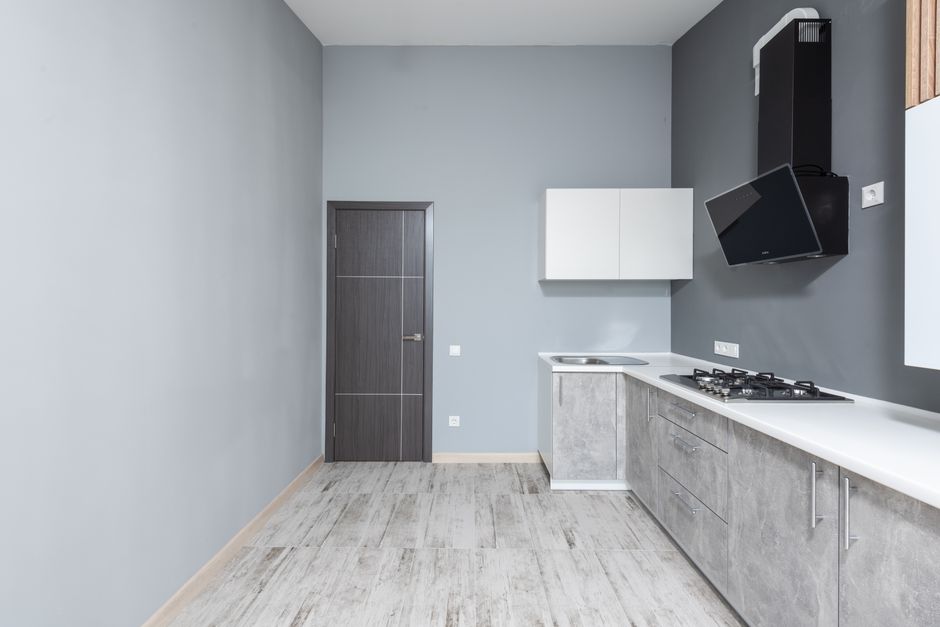
Pull the metal mesh filter off your cooker hood and hold it up to the kitchen light. If you can still see through it clearly, you're one of the lucky few. For most HDB kitchens, that mesh is holding a thin, amber-brown film that never quite disappears no matter how often you run a damp cloth over the hood's exterior casing. That's the trap almost everyone falls into when they search for how to clean HDB kitchen hood grease: they're cleaning the part of the hood that was never actually dirty in the first place.
The exterior panel gets wiped during the weekly kitchen tidy-up, so it looks fine. The mesh filter behind it, the one doing the actual job of trapping airborne grease before it hits your ceiling, rarely gets touched. In compact HDB kitchens, where the hob sits a metre or less from the hood and stir-frying happens several nights a week, that filter can go from clean to "caked solid" in under two weeks. And once it's saturated, no amount of surface wiping will stop the smell from drifting into your living room, especially if you're in one of the newer open-concept layouts where the kitchen doesn't have a door to close.
This isn't just a smell problem either. A clogged mesh filter reduces suction, which means the hood works harder and pulls less grease out of the air with each use, so the problem compounds on itself. Humidity makes it worse still. At 80 to 84 percent relative humidity, grease particles stay tacky instead of drying into a brittle film you could flick off with a fingernail, so they bond more stubbornly to metal, tile grout, and anything porous nearby. The fix isn't complicated, but it does need a method, not a wipe. Here's what actually gets the grease out, and how to tell when the problem has moved beyond what a weekend soak can handle.
Why HDB kitchen layouts load up grease faster than you'd expect
Walk into a condo kitchen with an island hood and six feet of clearance, and you'll notice the air simply has more room to disperse before it settles. Most HDB kitchens don't have that luxury. The hob-to-hood distance is often under a metre, cabinetry presses in from both sides, and in many 3-room and 4-room flats the kitchen itself is barely large enough for two people to pass each other. That tight footprint means every splatter, every puff of steam from a wok, and every bit of airborne oil has a much shorter trip before it lands on the mesh, the hood's underside, or the cabinet door directly above the hob.
Cooking style matters just as much as square footage. A household that steams and boils most of its meals produces comparatively little airborne grease. A household that stir-fries, deep-fries, or does a weekly "Sunday fry-up" of fish or chicken is pushing far more oil particles into the air, and those particles don't all go up the hood duct. Some settle on the mesh, some cling to the inside of the housing, and some drift sideways onto nearby surfaces before the fan even catches them. If your flat falls into the second category, a filter that manufacturers rate for a monthly clean might genuinely need attention every one to two weeks to keep pace.
There's also the matter of hood type. Flats with external ducting push grease-laden air straight outside, while many newer BTOs and some older units rely on recirculating hoods that filter the air and push it back into the kitchen. Recirculating systems depend entirely on their filters doing the job properly, which means a neglected filter in that setup doesn't just smell bad, it's actively failing at its one function.

The soak-and-scrub method that actually lifts caked-on grease
Forget the quick spray-and-wipe. Grease that's had two weeks to bond to metal needs to be loosened chemically before it'll come off without damaging the mesh. This is the method that works on genuinely caked filters, not just lightly dusty ones, and it takes about 30 to 40 minutes including soak time.
- Switch off the hood at the wall and let it cool completely if you've just finished cooking, since hot metal and cold water together can warp a thin aluminium mesh.
- Unclip the metal mesh filter from the housing. Most HDB models release with a simple tab or slide mechanism, no tools required.
- Fill your kitchen sink or a large basin with water as hot as your tap will run, then stir in roughly two tablespoons of baking soda and one tablespoon of dish soap for every litre of water.
- Submerge the filter fully and let it soak for 15 to 20 minutes. You'll see a faint oily sheen rise to the surface of the water as the grease starts to release.
- Scrub both sides with a nylon brush or an old toothbrush, working along the mesh pattern rather than across it, which gets into the grid lines instead of just skimming the top.
- Rinse thoroughly under running water and check it against the light again. If it's still cloudy with residue, repeat the soak for another 10 minutes rather than scrubbing harder, since aggressive scrubbing can bend thin aluminium mesh out of shape.
- Dry the filter completely before reinstalling it. A damp filter reinstalled into a warm housing invites mould growth in the gasket area within days.
- While the filter dries, wipe down the inside of the hood housing with a degreasing spray and a microfibre cloth, paying attention to the fan blade edge if it's accessible, since grease collects there too and rarely gets touched during a normal clean.
If the mesh still looks dull or slightly sticky after two full soak cycles, you're likely dealing with a filter that's been neglected for months rather than weeks, and at that point replacement is usually cheaper than your time.
Metal mesh and charcoal filters run on two completely different clocks
This is the detail that trips up a lot of households: not every cooker hood filter can be washed, and treating a charcoal filter like a metal one wastes effort and still leaves you with a smelly kitchen. Metal mesh filters trap grease physically and can be washed repeatedly, which is why the soak-and-scrub routine works. Charcoal or activated carbon filters, common in recirculating hoods that don't vent outside, absorb odour chemically. Once that carbon is saturated, usually somewhere between three and six months of regular cooking, washing it does nothing. The carbon needs replacing, not cleaning.
Confusing the two is why some households insist they clean their hood "every week" and still complain the smell never actually goes away. If you've been faithfully washing a mesh filter but the kitchen still smells like last night's dinner two days later, check whether your hood also has a charcoal insert sitting behind or above the mesh. That part has a shelf life, and no amount of dish soap will reset it.
What happens when the grease migrates past the hood entirely
In open-concept HDB layouts, where the kitchen bleeds straight into the living or dining area without a door, grease doesn't politely stay near the stove. It travels. Curtains nearest the kitchen pick up a faint oily residue over months, fabric sofas two rooms away hold onto cooking smells longer than you'd expect, and kitchen towels hung nearby can smell like fried fish days after the pan's been washed. By the time you notice the smell has spread to soft furnishings, the hood filter alone isn't the fix anymore. You're looking at a household-wide grease and odour problem that needs more than a sink soak.
This is usually the point where bringing in a professional team makes more sense than another round of DIY. A thorough reset that covers the hood housing, nearby cabinet surfaces, and the fabric that's been quietly absorbing cooking odour for months is exactly the kind of job MCAAS Solutions handles as part of a full deep clean, rather than leaving you to chase the smell room by room on your own.
What Customers Say
"Thank you Munisha and team for your immaculate work and dedication. You have gone above and beyond my expectations and my new homes looks, smells and feels amazing after your deep cleaning!"
- jing zhang
"I recently engaged MCAAS for a comprehensive spring cleaning of my entire house, and I couldn't be more pleased with the results. The team, led by Munisha, was exceptionally professional, efficient, and thorough. It was all completed within 6 hours."
- Allister Ngai
"Munisha and her team did an excellent job - 2000sq ft apartment left spotless in approximately 7 hours. Thank you!"
- Wei Ming Lim
"Really happy with MCAAS from start to finish. Friendly, responsive and professional communication with Gill who coordinated and organized everything even with only one day notice."
- V Y
FAQs About Cleaning HDB Kitchen Hood Grease
How often should I clean the metal mesh filter on an HDB cooker hood?
Every one to two weeks for households that stir-fry or fry regularly, and roughly once a month for households that cook mostly by steaming or boiling. If you can see your fingerprint leave a mark in the residue, it's overdue.
Can I use vinegar instead of baking soda and dish soap?
Vinegar can cut light grease, but it struggles with caked-on, days-old buildup the way a baking soda and dish soap soak does. Save vinegar for light maintenance wipes between proper soaks.
Why does my hood still smell after I've washed the mesh filter?
You likely have a charcoal or carbon filter behind the mesh that's reached the end of its absorption life. Washing it won't help, it needs to be replaced, usually every three to six months.
Is it safe to scrub the mesh with steel wool to get stubborn grease off?
Avoid it. Steel wool scratches and bends thin aluminium mesh, which can create gaps that let unfiltered grease through. A nylon brush and a longer soak work the residue loose without damaging the filter.
Will a dirty filter damage the hood's motor over time?
Yes. A clogged filter forces the fan to work harder to pull the same volume of air, which strains the motor and shortens its lifespan, on top of reducing how much grease actually gets trapped before it spreads.
Should I clean the hood housing itself, or just the removable filter?
Both. Grease collects on the inside walls of the housing and around the fan blade edge even after the filter is removed, so wipe that area with a degreasing spray each time you wash the mesh.
At what point should I call in professional cleaners instead of doing it myself?
If the smell has spread to curtains, sofas, or towels, or the mesh stays cloudy after two soak cycles, the problem has outgrown a DIY fix and a full professional reset will save you more time than another weekend of scrubbing.
Conclusion
We at MCAAS Solutions have pulled enough grease-caked filters out of HDB kitchens to know that the smell families live with for months is almost always fixable in an afternoon, once someone actually treats the mesh instead of just the panel around it. There's a particular kind of relief in a kitchen that finally smells like nothing at all, no lingering fish, no stale oil, just clean air. If your hood, cabinets, or nearby soft furnishings have gone past what a sink soak can handle, we're happy to take a look. Contact us at +65 8834 2867, send a quick note on WhatsApp, or visit our spring cleaning service to book a full kitchen reset that gets past the parts a weekly wipe never reaches.