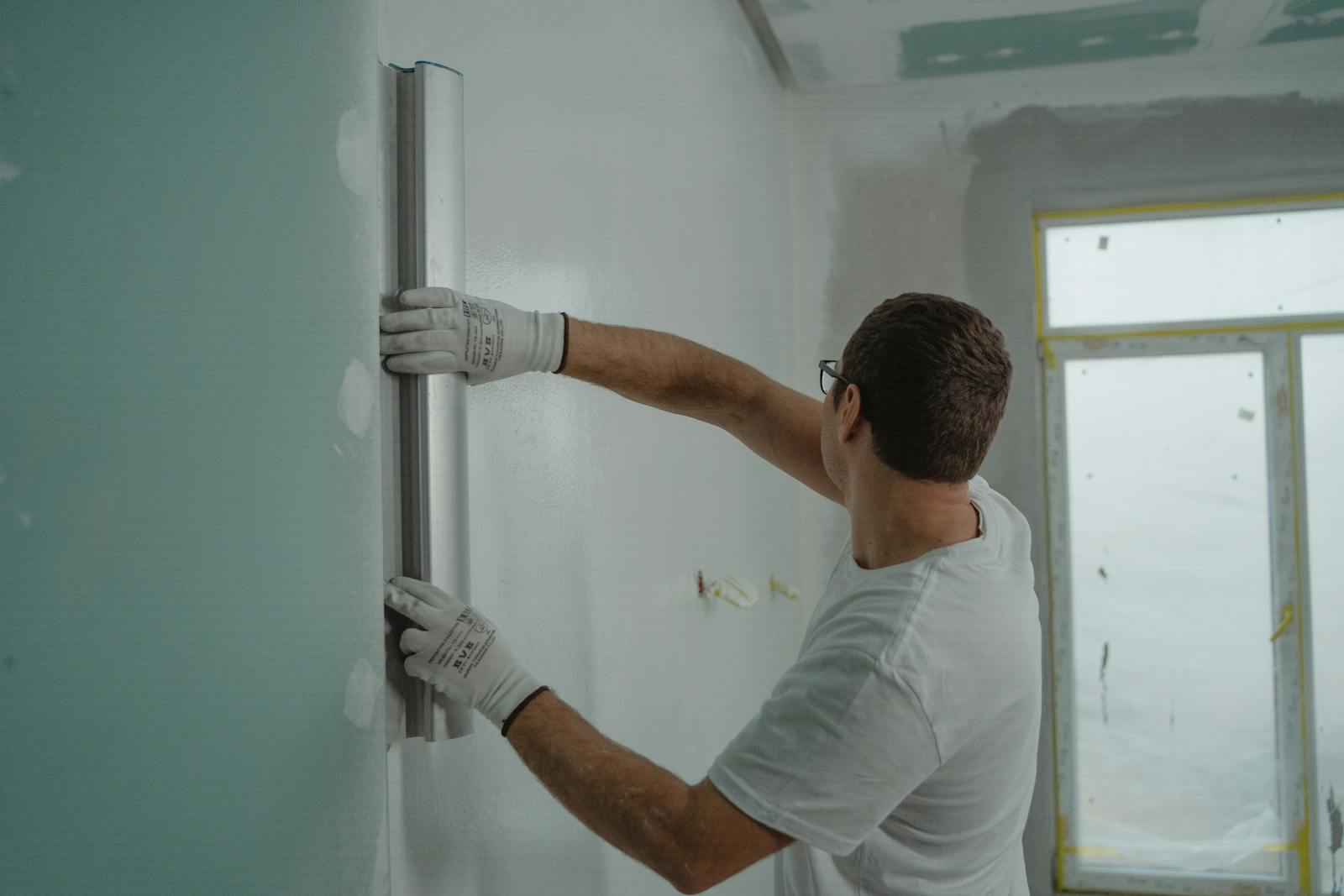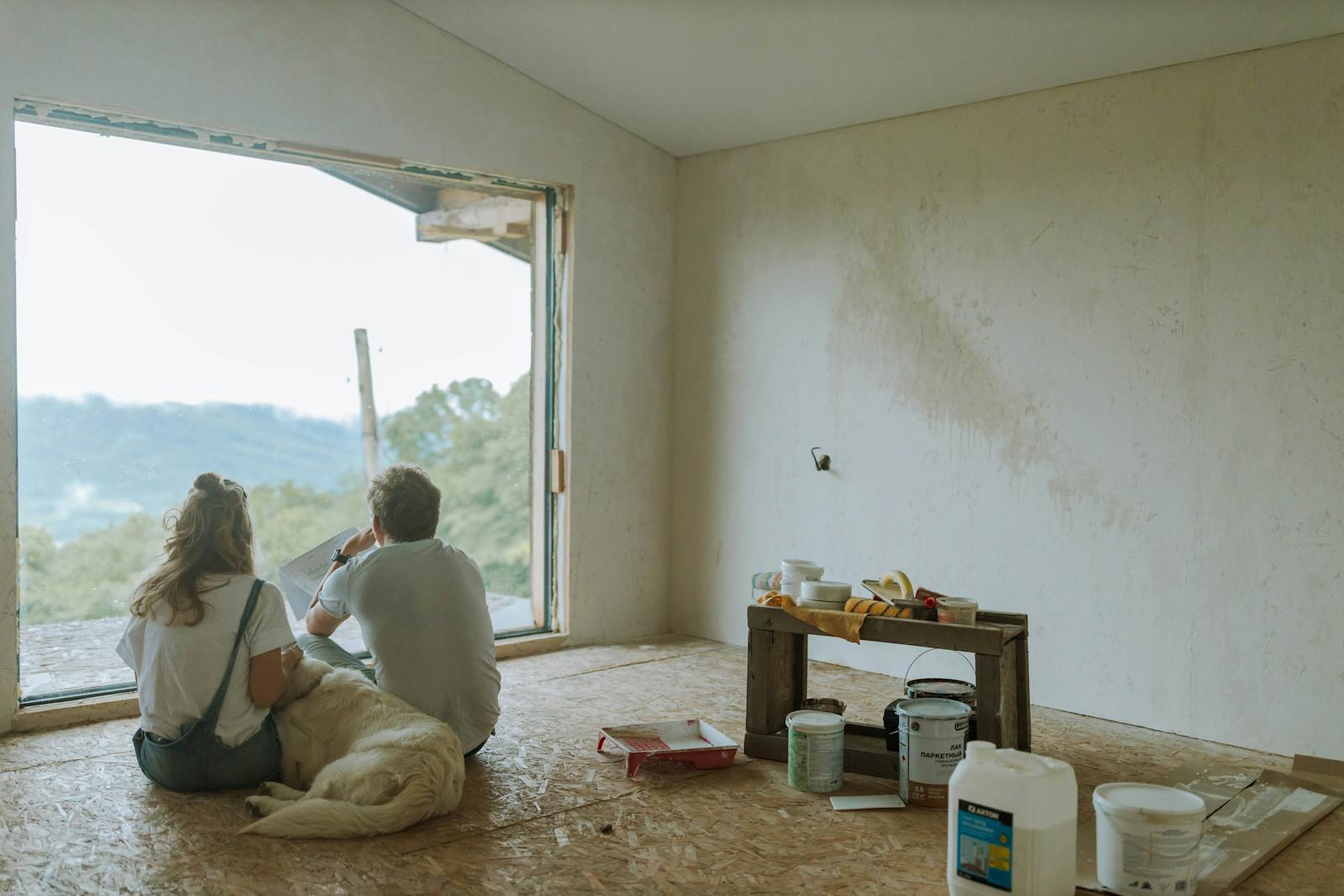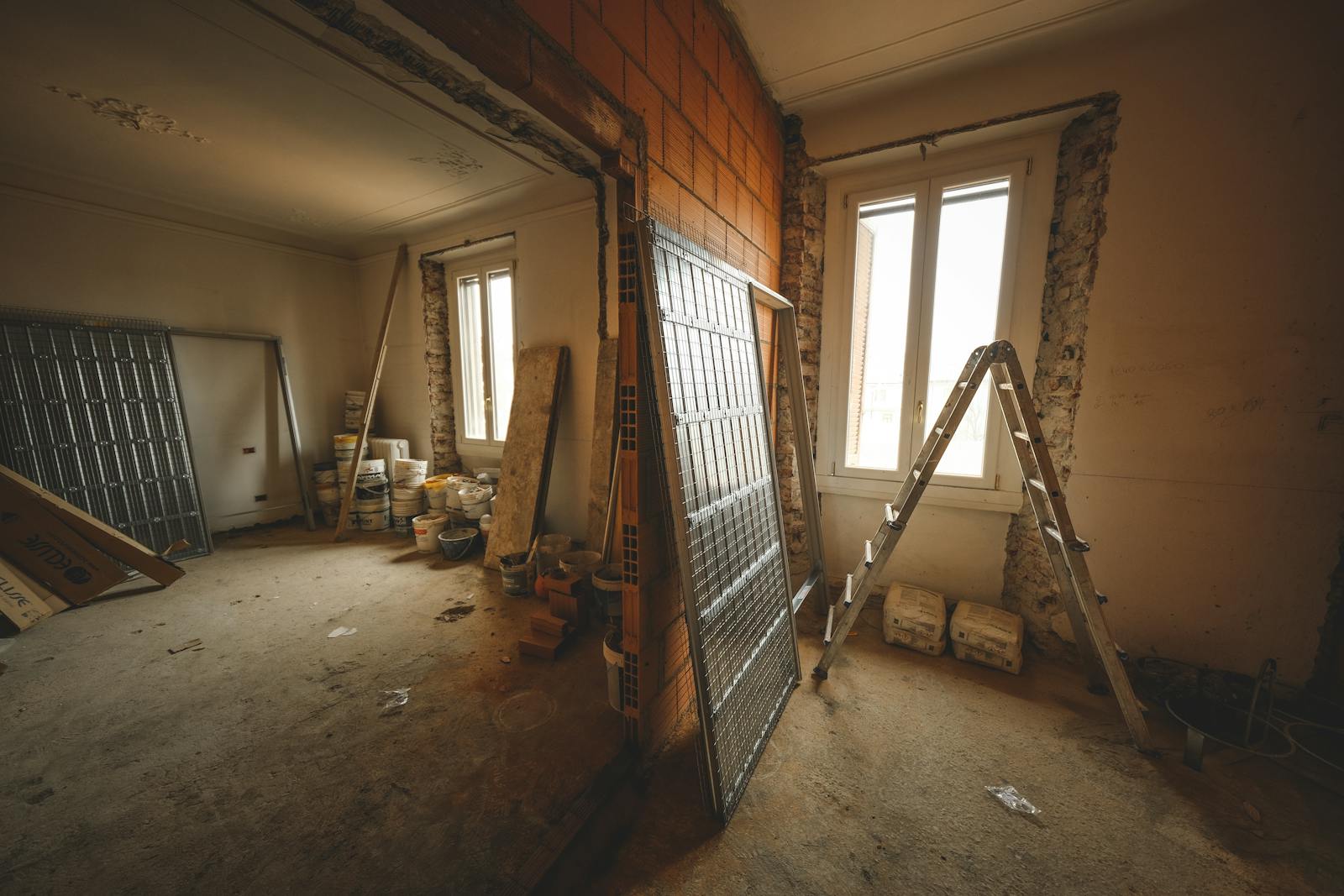
Why renovation dust comes back after you mop
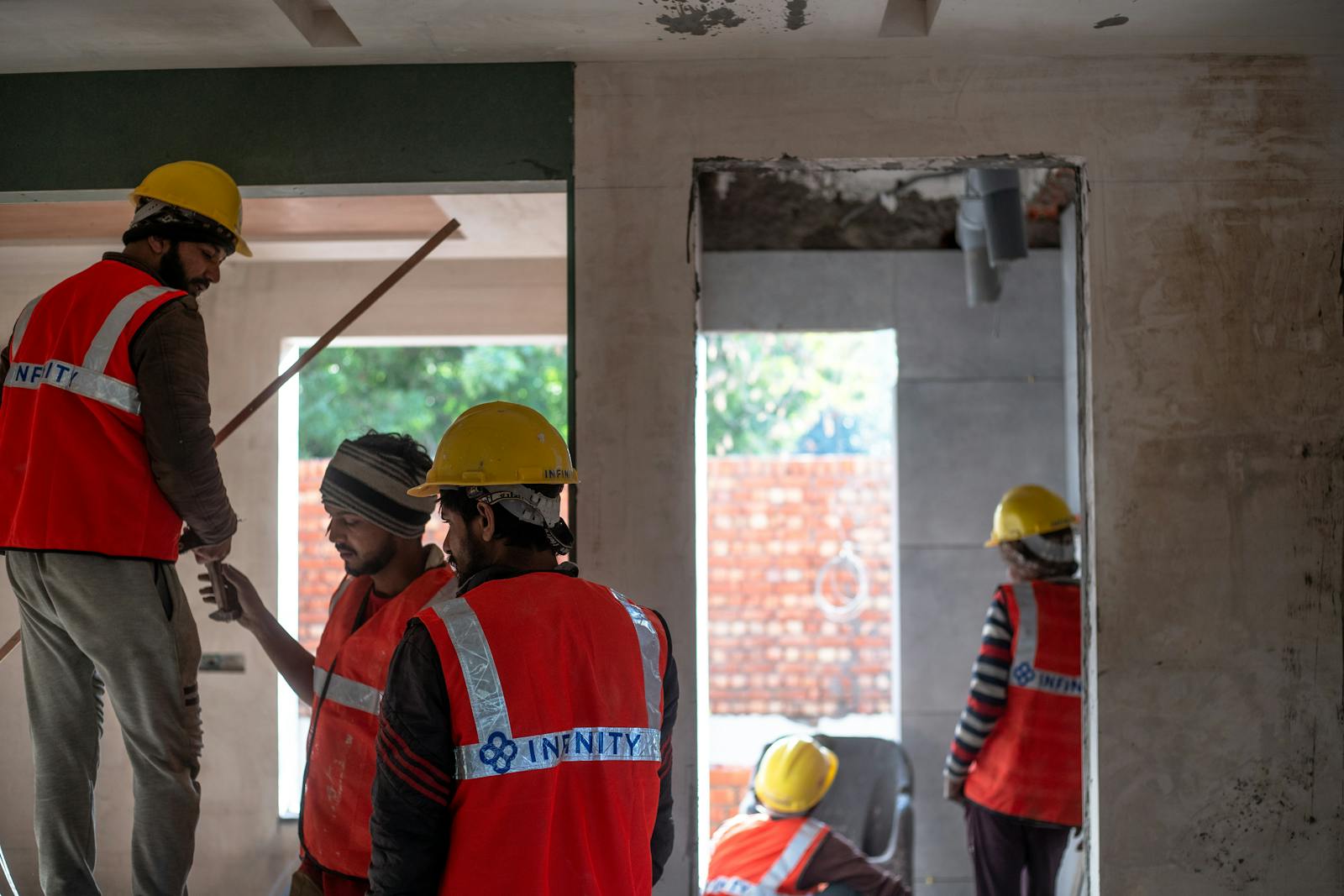
Your renovation is done. The contractor has handed over, the hacking and drilling have stopped — and every surface in your home is coated in a fine grey film that reappears an hour after you wipe it. That film is construction dust: cement particles, drywall powder, and sanding residue that settle out of the air for days after work ends. Getting rid of it properly is a different job from any cleaning you’ve done before, which is why post renovation cleaning Singapore exists as its own service.
This guide explains what post-renovation cleaning actually involves, why it’s not the same as a regular clean, what a professional service typically includes (and doesn’t), and the health considerations worth taking seriously before you move back in.
Who this guide is for
Homeowners in Singapore — HDB, condo, or landed — who have just finished a renovation, or are planning one, and want to understand what the cleanup involves before deciding whether to tackle it themselves or hire a professional team. If you already know you want a step-by-step plan, our room-by-room cleanup checklist covers the full sequence in detail.
What post-renovation cleaning actually involves
Post-renovation cleaning is a staged process, not a single pass. Done properly, it runs in this order:
1. Debris and rubbish clearance
Leftover offcuts, packaging, protective sheeting, stray nails, and empty paint tins get bagged and removed first. Loose nails and grit underfoot are the main injury and floor-scratch risks during cleanup.
2. Dust extraction, top down
Construction dust settles on every horizontal surface: the tops of built-in wardrobes, light fittings, curtain rails, door frames, window ledges, and inside kitchen cabinets that were installed open. The correct sequence is ceiling to floor, so dust dislodged from high surfaces doesn’t recontaminate what’s already been cleaned. Professional teams use HEPA-filter vacuums for this, because ordinary vacuums exhaust fine particles straight back into the air. Dry-sweeping cement dust does the same thing — it goes airborne and resettles.
3. Residue removal
This is the stage that separates post-reno cleaning from everything else. Typical residues include:
- Grout haze — the cloudy cement film left on new tiles after grouting, which needs the right cleaning agent, not just water
- Paint overspray and splatter on floors, window grilles, glass, and switches
- Adhesive and silicone smears around new carpentry, flooring edges, and sealed joints
- Protective film and sticker residue on new windows, appliances, and sanitary ware
- Cement spots on floors and bathroom fittings
Each residue needs a different treatment, and using the wrong one — or scrubbing abrasively — can permanently mark brand-new surfaces.
4. Detailed cleaning and disinfection
Once residues are off, every room gets a full detailed clean: interiors of all cabinets and wardrobes, windows and grilles, doors and frames, bathrooms descaled and sanitised, floors vacuumed then mopped. MCAAS teams disinfect with PHMB and QAC-based solutions and apply an antimicrobial coating to high-contact areas such as switches, handles, and taps — sensible when a stream of contractors has been handling every surface for weeks.
5. Final inspection
A walkthrough against the scope before the team leaves, checking corners, cabinet interiors, and glass in good light. This is standard practice at MCAAS — and worth doing yourself too, whoever cleans.
Why it differs from regular cleaning
A weekly clean deals with household dust and everyday grime. Post-renovation cleaning deals with construction contamination, and three things make it a genuinely different job:
The dust is different. Cement and drywall dust is far finer than household dust, sits in a layer over literally every surface, and keeps settling out of the air for days. It also gets pulled into air-conditioning units and recirculated — which is why homes can feel dusty again a week after a surface-level wipe-down. One pass is never enough.
The residues need specific treatment. Grout haze, paint, silicone, and adhesive don’t respond to all-purpose spray. Stubborn cement residue on tiles is a specialist job in its own right, sometimes requiring a controlled acid wash by trained cleaners.
The scale is different. A realistic DIY post-reno clean of a whole flat takes one to two full days — and without HEPA vacuums and the right chemicals, much of the fine dust simply gets redistributed.
What’s typically included — and what isn’t
A professional post-renovation cleaning package (MCAAS’s starts from $248) typically includes:
- Removal of light debris and leftover renovation rubbish
- Full dust extraction of all surfaces, high and low, with HEPA vacuums
- Interior cleaning of all built-in cabinets, wardrobes, and drawers
- Removal of paint spots, adhesive, sticker residue, and grout haze from standard surfaces
- Cleaning of internal windows, grilles, doors, and frames
- Bathroom and kitchen deep cleaning and disinfection
- Floor vacuuming and mopping throughout
- Final inspection before handover
Commonly excluded, or quoted separately:
- Disposal of bulky waste (old furniture, large offcuts — usually the renovation contractor’s responsibility under their contract)
- Acid washing for heavy cement residue on tiles
- Exterior or high-rise external window cleaning
- Aircon servicing and internal duct cleaning
- Cleaning or treatment of newly delivered furniture, mattresses, and sofas
Always confirm scope when you book. Pricing depends mainly on floor area and the state the contractor left the unit in — our post-renovation cleaning cost guide breaks down what drives the price up or down.
Health considerations before moving in
This is the part homeowners most often underestimate.
Fine construction dust is a respiratory irritant. Cement and tile-cutting dust contains crystalline silica, and the finest particles are the ones that stay airborne longest and travel deepest into the lungs. Anyone in the household with asthma or dust allergies will feel a half-done cleanup quickly. If you’re cleaning yourself, wear a proper fitted mask — not a surgical mask — and damp-wipe rather than dry-dust.
New carpentry and furniture off-gas. Freshly installed laminates, plywood carpentry, and paint can release formaldehyde and other volatile compounds for an extended period after renovation — that “new renovation smell” is not harmless, and airing the flat for a weekend doesn’t finish the job. Ventilate consistently, run fans, and delay moving in children or elderly family members if the smell is still strong.
Your aircon has been breathing the dust too. Fine dust drawn into fan coil units during works gets blown back out after you move in. Have units serviced or at least filters washed as part of the handover.
Dust reaches food and sleep surfaces. Kitchen cabinet interiors, dish racks, and wardrobe shelving all need wiping before plates or bedding go in.
Common mistakes to avoid
- Cleaning before the contractor has fully finished. Touch-up painting or last-minute drilling after your clean undoes it. Clean only after final handover.
- Dry-sweeping or dry-dusting cement dust. It goes airborne and resettles. Damp methods and HEPA vacuuming only.
- Using harsh chemicals or abrasive pads on new surfaces. Fresh tiles, vinyl, and carpentry finishes are easy to etch or scratch permanently.
- Judging the clean in one pass. Airborne dust keeps settling; a follow-up wipe-down a few days later is normal.
- Forgetting hidden zones. Cabinet tops, window tracks, behind toilet bowls, and inside the service yard are where a rushed clean shows.
When DIY is enough — and when to hire professionals
DIY is realistic when the renovation was small and contained — one repainted room, minor carpentry — and the contractor cleared their own debris. With a HEPA vacuum, microfibre cloths, and a free weekend, a careful homeowner can manage that scope.
Hire professionals when the works involved hacking, tiling, or full carpentry; when the whole flat is dust-coated; when there’s grout haze or cement residue on new floors; when someone in the household has respiratory issues; or when your move-in date is fixed and you can’t afford a second or third cleaning round. A trained team with commercial equipment compresses days of uncertain DIY into a single completed, inspected job — and doesn’t risk scratching surfaces you’ve just paid to install.
Post-reno cleaning Singapore: cost at a glance
Post renovation cleaning, cleaning after renovation, and after renovation cleaners are the same booking. MCAAS post-reno cleaning Singapore starts from $248. A 3-room HDB is typically $388, a 4-room $448. Time on site is longer than a spring clean because of the dust, usually 6-10 hours for an HDB.
The package is dust, wipe, vacuum and mop. Paint, glue, acid wash, and machine floor-scrub are extras, quoted on site. If you already know you want the crew, skip the rest of this guide and book post renovation cleaning.
Get your renovated home move-in ready
MCAAS Solutions is an NEA Licensed, WSQ Course Certified cleaning company rated 4.9/5 from over 370 Google reviews. Post-renovation cleaning starts from $248 with transparent pricing — no hidden fees, no contracts. One reviewer, Yap KS, put it simply: “Munisha, who led the cleaning crew, listened carefully to how I wanted the house to be cleaned.”
How it works: message us on WhatsApp at +65 8834 2867 with your floor plan or unit size and renovation completion date — quotes usually come back within 2 minutes. On the day, the team arrives on time with all equipment and supplies, works through the full scope, and carries out a final inspection before leaving. You can also call +65 8834 2867 or email cs@mcaassolutions.com (Mon–Sat, 8:00 AM–5:00 PM).
Frequently Asked Questions
How soon after renovation can cleaning start?
Once the contractor has completed all works, cleared their bulky waste, and formally handed over — cleaning before final touch-ups means paying to clean twice. A professional clean shortly after handover, plus a light wipe-down before move-in, gives the best result.
How long does a professional post-renovation clean take?
It depends on unit size and how much residue the contractor left, but most flats are completed within a day by a full team. Whole-home DIY typically takes one to two full days, often with a repeat round once airborne dust resettles.
Is post renovation cleaning the same as after renovation or post-construction cleanup?
Yes. Post renovation cleaning, cleaning after renovation, and post-construction cleanup are the same job: dust, wipe, vacuum and mop once contractors leave. Book the post renovation cleaning service from $248. Paint, glue, acid wash, and machine floor-scrub are extras.
Is post-renovation cleaning the same as spring cleaning or deep cleaning?
No. Spring or deep cleaning tackles accumulated household grime in a lived-in home. Post-renovation cleaning is designed around construction contamination - fine cement dust, grout haze, paint, and adhesive - and requires different equipment, chemicals, and sequencing.
Do I need to provide any equipment or supplies?
No. MCAAS teams arrive with all equipment and supplies, including HEPA vacuums and PHMB and QAC-based disinfectants. You only need to ensure the contractor has handed over and the unit is accessible.
Will one cleaning session make my home fully move-in ready?
Usually, yes — a professional clean covering dust extraction, residue removal, and disinfection, verified by final inspection, is designed to make the home move-in ready. The exceptions are heavy cement residue needing a separate acid wash, aircon servicing, and off-gassing smells from new carpentry, which need continued ventilation rather than cleaning.