Home Maintenance , Cleaning Tips
Hob and hood cleaning in Singapore: what actually works
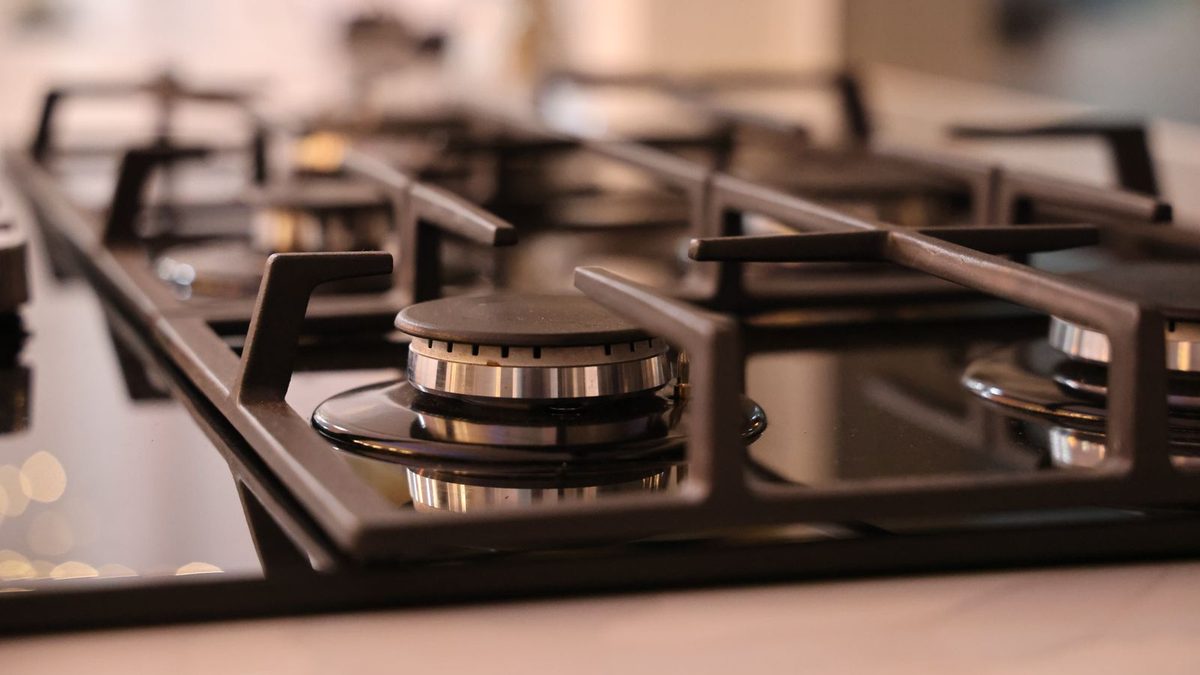
Hood cleaning in Singapore is the mesh filter, the underside of the canopy, and the hob under it. Wiping the stainless face leaves the grease that drips back onto the grates.
Flip the burner cap on a four-burner gas hob after a week of weeknight stir-fries and you will feel the grit before you see it. A thin ring of caramelised oil sits under the cast-iron grate; the aluminium drip tray has a tea-coloured skin that no wet wipe lifts on the first pass. Lift your eyes and the same story continues on the mesh filters and the underside of the canopy-amber film that turns tacky in Singapore's 80-84% humidity long before it looks "dirty" from the dining table.
That is the real brief behind hob and hood cleaning singapore: not a once-a-year polish for guests, but a cycle that matches how we actually cook. Compact HDB and condo kitchens trap vapour. East-west facing units heat the cooking wall through the afternoon. Wet years like 2025 (2984.9 mm of rain, 18% above the long-term average) push more moisture indoors, so grease never fully dries; it softens, re-sticks, and traps dust mites and kitchen soil. Families notice the smell first-wok hei mixed with stale oil-then the sticky finger test on the hood edge.
Most weekend routines stop at the visible stainless face. Filters stay clogged. Burner ports stay half-blocked. The motor works harder, extraction weakens, and more film lands on the backsplash and cabinet doors. Landlords and agents still check the cooker hood exhaust and hob grates at handover; tenants who only wiped the top lose deposit points on "professionally cleaned" clauses. Busy owners who run a robovac daily still find skirting and hob skirts coated because aerosolised oil never hit the floor first.
This piece walks through why the hob and hood fail together, what a practical reset actually includes, a sequence you can run without flooding the ignition, and the point where DIY chemistry stops being kind to enamel, glass, and seals. You will leave with a checklist you can use this weekend-and a clear sense of when a humidity-aware deep clean team should take the high grease load so you are not scrubbing varnish-sticky metal on a Sunday night.
Why the hob and the hood fail as one greasy system
Think of the cooking zone as a closed loop. Oil vapours rise, hit cooler metal on the filter and canopy, condense, and drip. What does not catch on the mesh falls back toward the grates, knobs, and control panel. In a small kitchen the loop is short. Frequent frying of chilli paste, garlic, and oily fish accelerates the build-up; the film polymerises under residual heat until a soft cloth only smears it.
Humidity is the accelerant, not a side note. Outdoor air often sits near 32°C and 70% RH. Indoors, if you skip the hood fan or run it on low "to save noise," moisture stays in the plume. Grease stays softer longer, so dust and cooking residue embed deeper. Unused spare rooms may hit extreme RH, but kitchens get a different problem: warm, oily, damp surfaces that feel clean until you press a white tissue against the underside of the hood and it comes away yellow-brown.
HardwareZone and r/askSingapore threads repeat the same pattern: regular helpers handle toilets and mopping; they rarely have time or chemistry for the interior of the canopy, the fan blades behind the filters, or the burner ports under the caps. App general cleans often ask you to supply the mop and skip high or awkward grease work. The result is a kitchen that photographs fine from the doorway and still smells of last month's oil when you lean over the hob.
There is also a deposit and resale angle. Agents look for cooker hood exhausts, sticky knobs, and blackened drip trays-not only shiny floors. After-the-fact landlord kitchen degreasing commonly lands in the S$100-300 range, sometimes bundled into a whole-unit bill of S$300-800. Booking a proper kitchen-focused clean yourself is usually cheaper and calmer than arguing over itemised deductions later.
What a real hob and canopy reset covers (filters, ports, undersides)
A useful reset is layered. Surface stainless first, then removable parts, then fixed greasy planes, then a controlled dry-down so humidity does not glue residue back on.
Start with safety and access. Kill the gas or isolate the electric hob per your model. Pull grates, burner caps, and crowns. Note how each crown sits-misaligned ports mean yellow flames and incomplete combustion later. Slide out mesh or baffle filters; if your model has a grease cup or tray, empty it into a disposable liner, not the sink. Open a window and run the exhaust on high for a few minutes before you start wet work so the canopy is not a steam trap.
Chemistry matters more than elbow grease. Alkaline degreasers and multi-enzyme kitchen formulas need dwell time-ten to fifteen minutes on heavy film, not a spray-and-wipe. Avoid flooding the control panel, ignition electrodes, and any open electrical join. On glass ceramic hobs, skip abrasive pads that haze the surface; use a hob scraper only at a low angle on cooled glass for sugar burns. On enamel gas tops, a non-scratch pad plus degreaser usually beats powder scrub that leaves micro-scratches where oil lodges again.
Filters deserve a soak, not a rinse. Hot water, a measured degreaser, and a second rinse until water runs clear. Clogged mesh is why extraction fails even when the motor sounds loud. The underside of the canopy-the plane you do not see while cooking-holds the thickest varnish. Work in small panels with a microfibre cloth that you keep flipping; a dripping sponge only redistributes oil onto the hob you just cleaned. Wipe knobs, under-knob collars, and the gap behind the hob where it meets the worktop; that seam is a classic "agent finger" spot.
When the film is years thick, or when filters are warped and the fan housing is coated inside the duct collar, DIY hits diminishing returns. That is where bringing in a professional team like MCAAS Solutions' spring cleaning service makes sense: proper degreasers, safe access, and time allocated to the cooking wall instead of a generic three-hour surface pass.
A Saturday sequence for hob and hood cleaning Singapore kitchens can finish
Block two to three focused hours if the zone has been neglected for months. Clear bottles and the knife block so you are not cleaning around clutter. Put a towel along the back edge of the hob to catch drips before they run into gaps.
- Photograph the before state of filters, burner ports, and the canopy underside-useful if you later need a receipt trail for a tenancy file or simply want to know the reset worked.
- Remove grates, caps, and filters; soak them in a basin with hot water and degreaser while you work the fixed surfaces so dwell time is free.
- Degrease the canopy underside and side panels in sections; wipe residue into a bag, not down the hob.
- Treat the backsplash and the first cabinet doors beside the hob-oil travels sideways more than people expect.
- Clean the hob top, then ports and crowns with a soft brush; clear clogged holes gently so you do not bend soft metal.
- Rinse and dry all removable parts completely; damp mesh in 80%+ RH grows musty fast.
- Reassemble, run the hood on high for ten minutes, then check flame colour and fan noise. A tissue held under the filter edge should pull upward if extraction is recovering.
- Finish with a dry microfibre pass on stainless so water spots do not etch the finish, and empty the kitchen bin of oily wipes immediately.
Monthly, at least soak filters if you cook daily. Every three to six months, plan a deeper interior canopy clean if you fry often-the same interval frequent Singapore cooks already discuss on local forums. Pair the kitchen reset with RH discipline elsewhere in the flat: indoor relative humidity under 60% slows how quickly residual oil stays tacky, even though the hood itself is not a mould problem first.
- Skip boiling vinegar baths on aluminium filters if the metal is already pitted; you can worsen corrosion.
- Do not pour neat bleach into the canopy-fumes in a compact kitchen near food surfaces are a poor trade.
- Do not run the dishwasher "miracle cycle" on heavy grease filters unless the manufacturer allows it; warped mesh never seals again.
- If ignition keeps clicking wet after cleaning, stop and dry electrodes fully before the next cook.
What Customers Say
"Amanpreet, Rubini, Ramasamy and Tong. Very detailed cleaning and good services. Will definitely engage them again. Reinstated the oil kitchen hood to almost brand new condition."
- Jenna Tong
"The team is professional and doing a very good job. They cleaned until you satisfy. Will absolutely recommend my friend the company's service!"
- Duong Nguyen Binh
"A bunch of professional crew which exceeded beyond expectations. Supervisor Suria and company did beyond their job scope. Well done and thank you. Positive: Responsiveness, Punctuality, Quality, Professionalism, Value Services: Deep clean, Moving-related cleaning, Standard cleaning"
- Joshua Fong
"Positive: Responsiveness, Punctuality, Quality, Professionalism Services: Deep clean, Standard cleaning"
- Louise Dumpleton
FAQs About hob and hood cleaning singapore
How often should I clean hob grates and hood filters if I cook every day?
Wipe spills after each cook while the surface is warm, not hot. Soak mesh filters about monthly with frequent frying. Plan a deeper canopy and burner-port clean every three to six months, sooner if extraction weakens or the underside feels varnish-sticky.
Can a normal general clean fix a heavily greased cooker hood?
Often only the visible face gets wiped. Interior film, clogged filters, and burner ports need degreaser dwell time and dismantling. Ask whether filters are soaked and the canopy underside is in scope before you book a short general slot.
Is dishwasher cleaning safe for range hood filters?
Only if your manufacturer says yes. High heat can warp aluminium mesh and strip coatings. A controlled hot soak with kitchen degreaser is usually safer and more thorough for thick oil.
Why does the sticky film return so fast in a HDB kitchen?
Daily cooking plus high humidity keeps oil soft so dust embeds quickly. Weak extraction from clogged filters makes more vapour settle on nearby surfaces. Cleaning without restoring airflow is why the problem feels endless.
Will landlords really check the hob and hood at move-out?
Yes. Cooker hood exhausts, greasy grates, and sticky knobs sit on common hotspot lists beside window tracks and silicone. A professional receipt and clear photos help if the tenancy agreement expects more than broom-clean condition.
What should I prepare before a professional kitchen grease visit?
Clear counters, empty the sink, secure pets, and note any cracked glass, loose knobs, or sensitive finishes. Share whether the hob is gas, induction, or ceramic so the team brings the right chemistry.
Are family- and pet-safe products strong enough for hardened oil?
Proper degreasers and enzyme formulas with dwell time handle most household films without resorting to reckless solvents. Extreme industrial varnish may need staged work rather than one harsh blast that damages seals.
Conclusion
We at MCAAS Solutions know the quiet frustration of a kitchen that looks presentable until you lift a grate or slide a filter free-the place where weeknight cooking really writes its history. Hob and hood cleaning singapore is less about shine for a photo and more about airflow, safer flames, and surfaces that do not perfume the whole flat with stale oil. If the canopy still drips after a determined Saturday, or you want filters, ports, and undersides handled with equipment and a checklist instead of hope, we are ready to help. Contact us at +65 8834 2867, send a quick note on WhatsApp, or visit our spring cleaning service to book a deep kitchen reset that matches how Singapore homes actually cook.